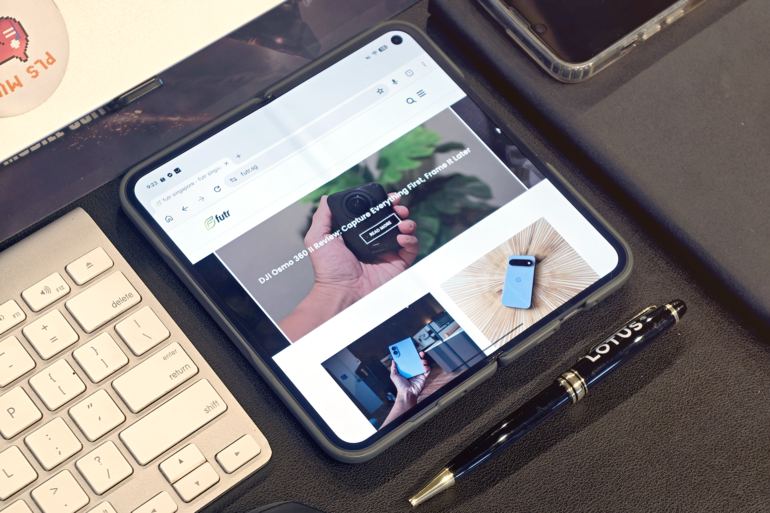
I had the new Google Pixel 11 Pro Fold for a while but purposely waited to get my hands on the Samsung Z Fold 8 iPhone Duo to put my thoughts in better context. It’s been a pivot year for foldables, and now that this year’s notable models have been announced, it’s time to see how the new Google Pixel 11 Pro Fold stacks up against the competition.
Samsung split its lineup in two, with the tall Samsung Galaxy Z Fold 8 Ultra and the new passport-sized Samsung Galaxy Z Fold 8. Apple finally joined the party with the iPhone Duo. Google showed up with a phone that looks almost exactly like last year’s.
I’ll admit upfront that I’m biased, since the Pixel 10 Pro Fold is the phone that made me leave my iPhone at home. But let me try to be fair about it.
What’s new-ish
The Pixel 11 Pro Fold is a refinement, not a reinvention. It gets a Tensor G6 chip, 16GB of RAM, a larger 48MP main sensor, Qi2.2 wireless charging and the new HiLight notification LED on the back.
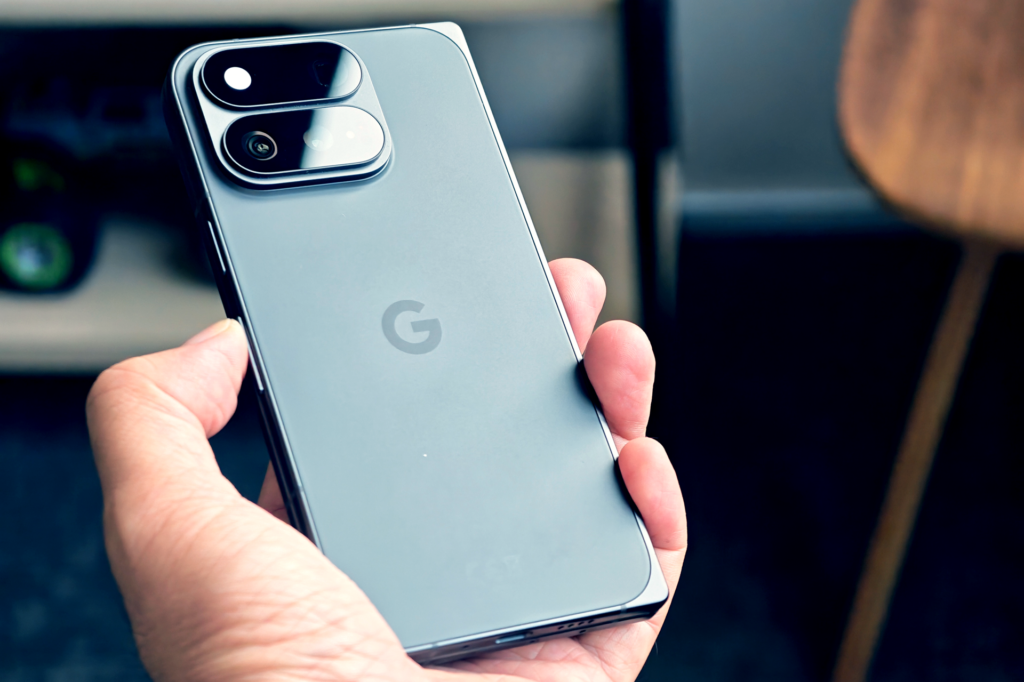
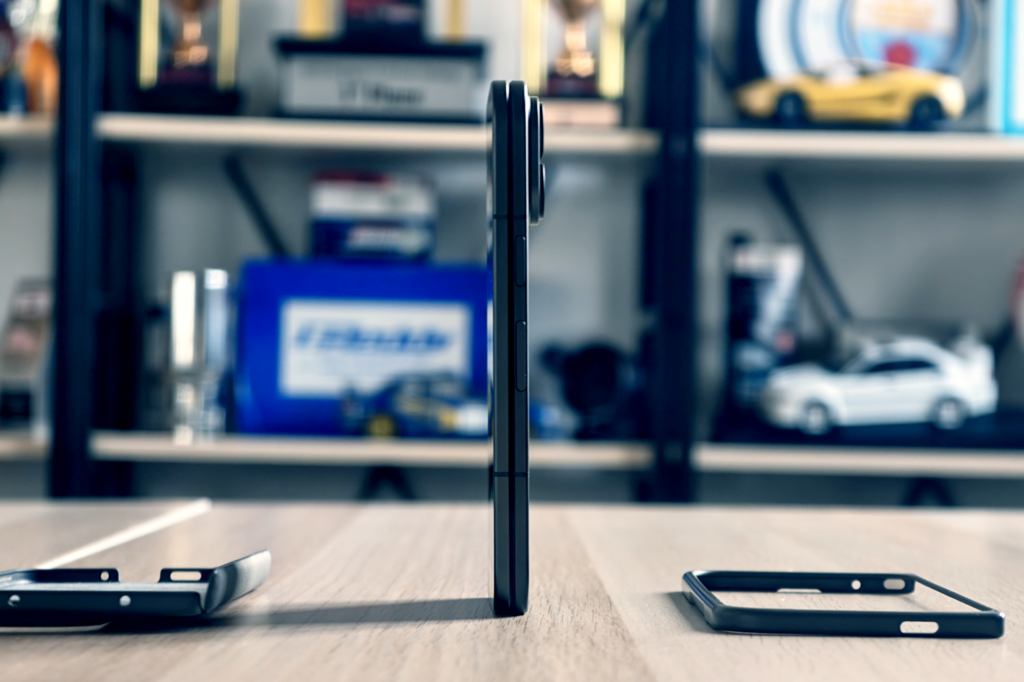
Physical changes are there but hardly noticeable. It’s down from 258g to 239g, and from 10.8mm to 10.1mm when folded. Both of these go out the window when you put on the Google Pixelsnap case, as that adds a significant weight and bulk to the phone.
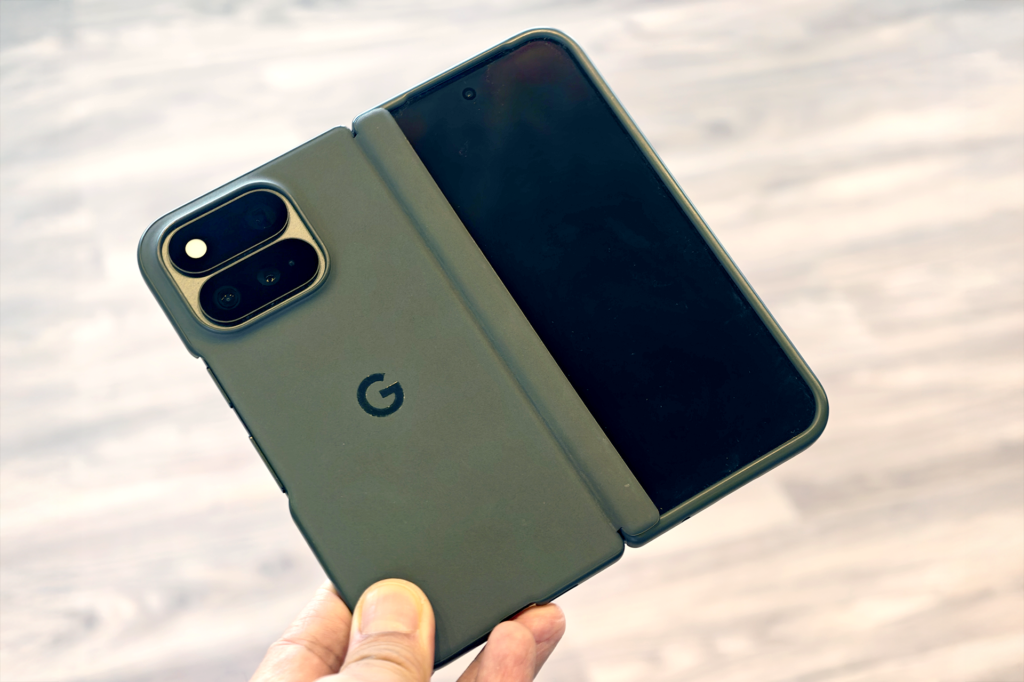
The outer display also grows slightly from 6.4 to 6.5 inches, and Google says the phone is three times more durable than its predecessor.
It’s not all progress. The battery shrinks from 5,015mAh to 4,750mAh, which is one step backwards. Although I must admit that the battery life isn’t an issue for me, as the phone is usually and conveniently mounted on a magnetic charger whenever I’m at my desk.
Versus the Galaxy Z Fold 8 Ultra
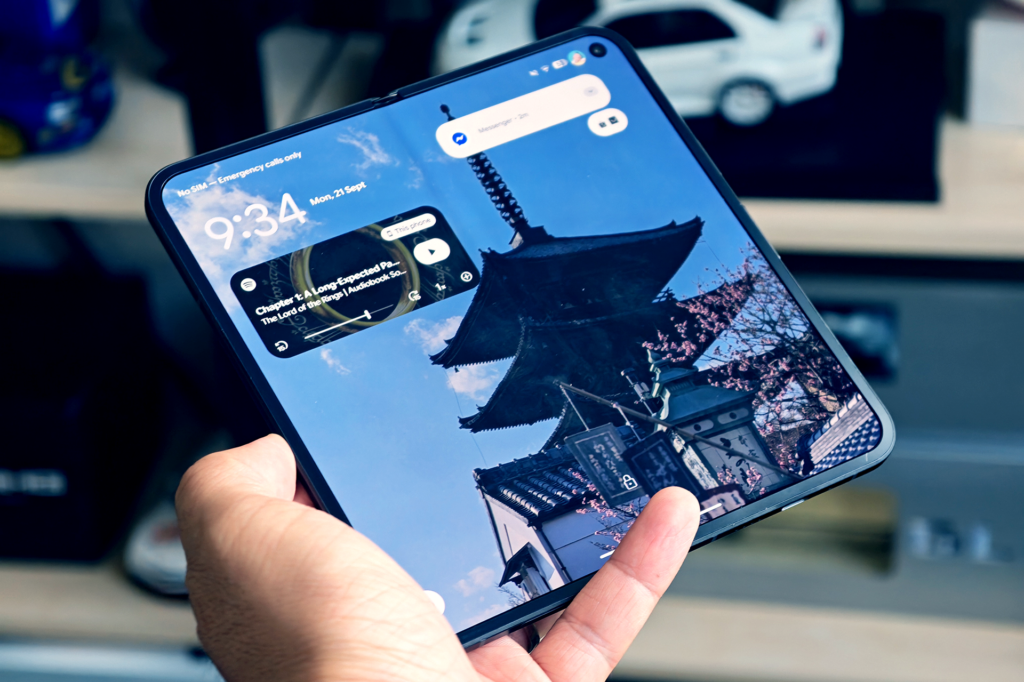
On paper, the Fold 8 Ultra wins most of the rounds. It has an 8-inch inner screen, a 6.5-inch cover display, 200MP main camera, a 5,000mAh battery with 45W charging, and a Snapdragon 8 Elite Gen 5 for Galaxy chip. It’s just 4.5mm thin when unfolded, half a millimetre thinner than the 11 Pro Fold.
The Pixel brings lower benchmark scores, slower charging and a more visible crease. Still, it costs significantly less, comes with 16GB of RAM, and carries Google’s seven years of updates.
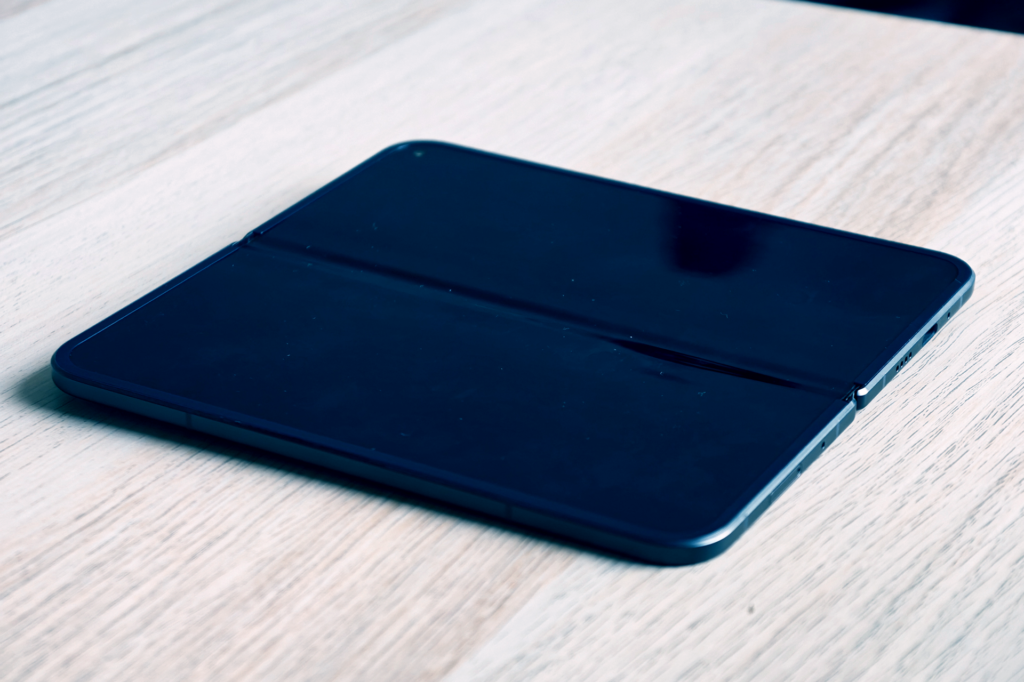
This feels like last year again. The Pixel isn’t the best foldable on paper, and the Fold 8 Ultra is probably the best foldable for 2026. That said, a spec sheet may not translate to one’s daily experience.
Still my preferred form factor
The Galaxy Z Fold 8 and the iPhone Duo both chose the shorter, wide “passport” shape. The Fold 8 has a 5.5-inch cover screen and the Duo a 5.4-inch one. Their inner displays are 7.6 inches, which is great for video, ebooks and anything that isn’t a tall phone ratio.
I understand the appeal. But after getting some hands-on with both phones, I’ve come to realise that passport-shaped phones demand to be unfolded more than their traditional counterparts. With the Google Pixel 11 Pro Fold, I can do most of my tasks comfortably without having to flip it open.
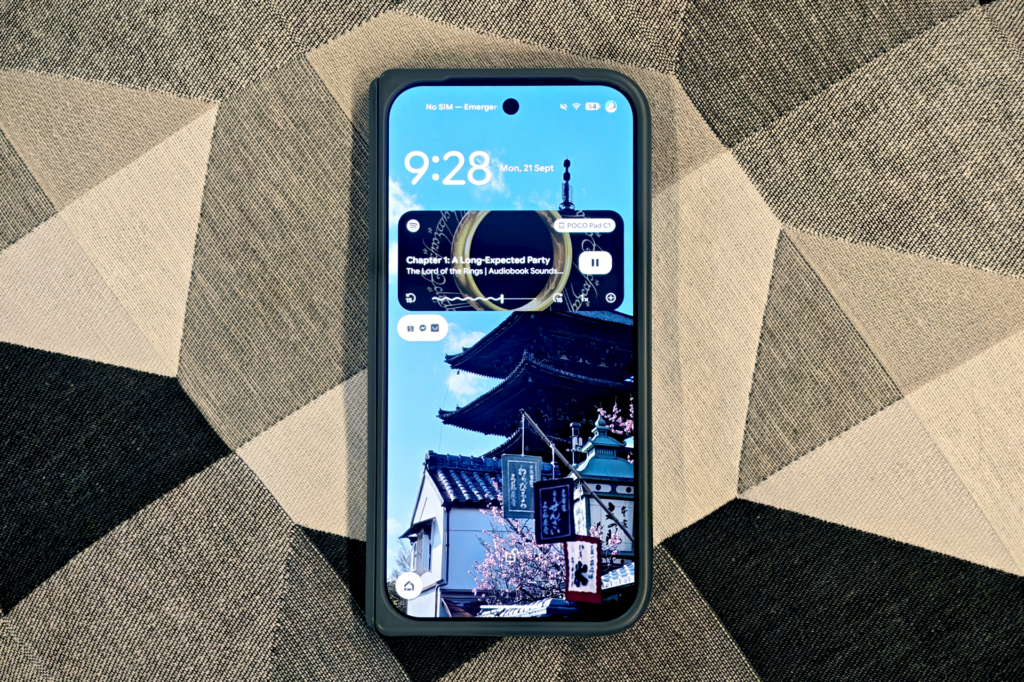
The convenience of having a 6.5-inch cover display means that I can use it as a normal phone and unfold it to a bigger screen only when necessary. I can type on it, scroll on it and reply to messages on it without opening anything. Only when I need to edit photos, check presentations or work through spreadsheets do I unfold it.
The Duo is also surprisingly heavier than the Google Pixel 11 Pro Fold despite its size. Outside of the current crackgate that Apple says affects only a “small” group of iPhone Duo owners, it does feel similarly durable to Google’s offering. I can’t say the same with the Samsung Z Fold 8.
What the iPhone Duo borrowed
I can’t prove Apple was looking over Google’s shoulder, but a few things look familiar.
The Duo’s wide, book-style shape is the obvious one. Google’s original Pixel Fold already did this, years before Apple did. Then there’s the IP68 rating, which Google brought to foldables with the Pixel 10 Pro Fold. The Duo has it too.
The Duo also uses its outer screen as a preview for the person you’re photographing, which sounds a lot like the dual-screen preview Pixel owners have had for a while. Kid Cue is just Made You Look with Snoopy.
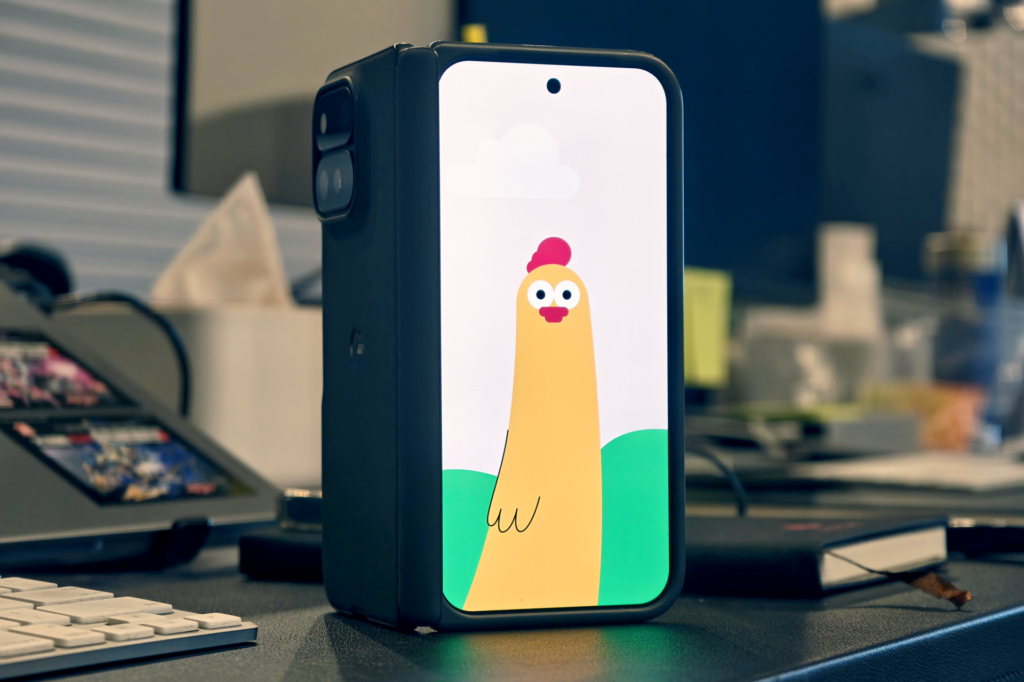
In the spirit of fairness, Google borrowed MagSafe-style magnetic charging from Apple first with PixelSnap. So I guess it’s fair…?
The optical zoom beats the competition
This is where the Pixel wins outright. The Pixel 11 Pro Fold has a 5x optical zoom camera, while the Galaxy Z Fold 8 and the iPhone Duo have no telephoto lens at all. The Duo has two 48MP cameras, a main and an ultrawide, and the Fold 8 is similarly limited. The Fold 8 Ultra does have a telephoto, but that caps at 3x.
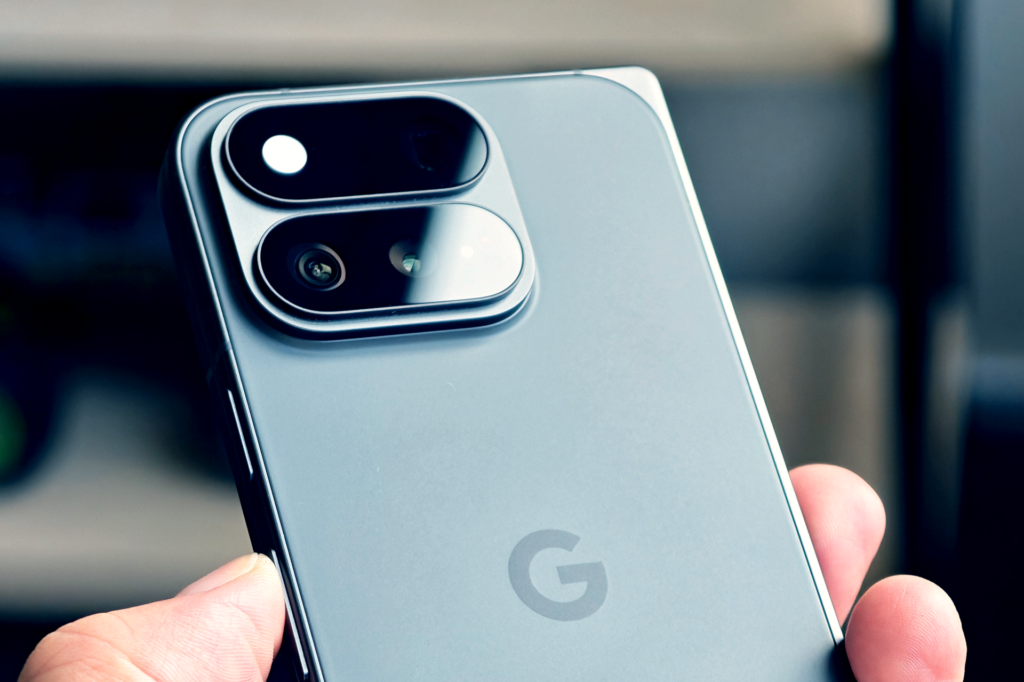
A longer optical reach in a foldable (or in any phone to be honest) is something I’d happily pay for.
Familiarity is a feature
Here’s the thing about the Pixel 11 Pro Fold: It feels oddly natural to use.
The shape is the same. The software is the same Pixel experience I’ve been using since last year, and it works with the same Pixel Watch and Pixel Buds. Switching to this phone feels like upgrading (however minor), not relearning. In an age when Samsung and Apple are asking people to adapt to a new shape, that comfort counts for something.
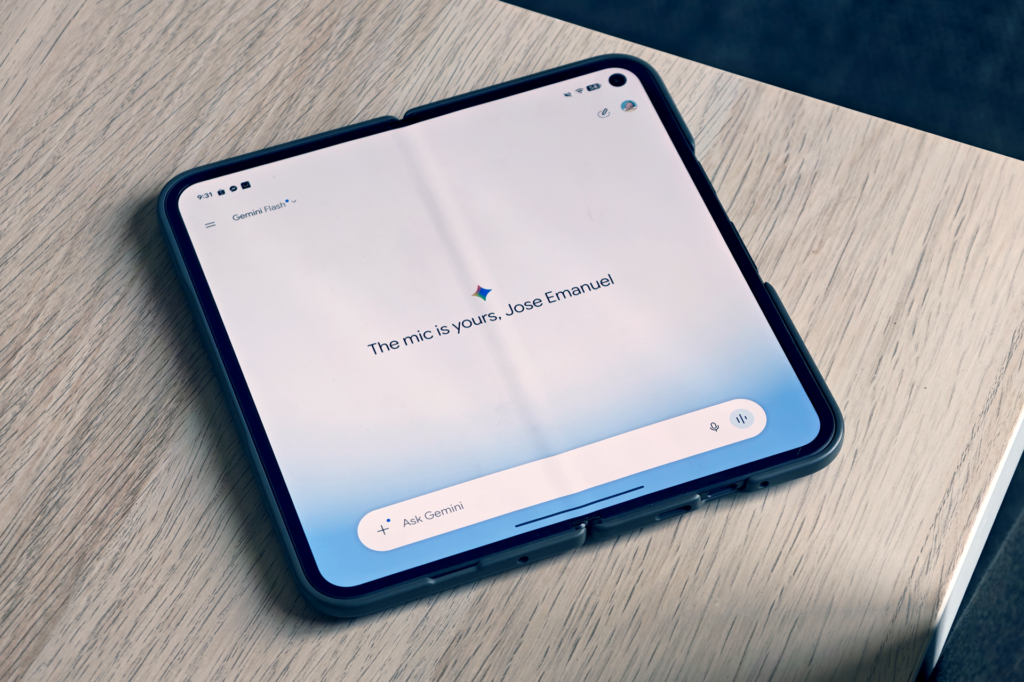
It also fixes a few of my previous complaints. It’s slightly lighter and thinner, and stays relatively cool under heavy use.
It could be better: maybe a faster chip, bigger battery, and some more effort to hide the crease. But if you want a foldable that behaves like a regular phone, the Pixel 11 Pro Fold is still a good contender.
Liked this? Check out more articles on Futr tech here.