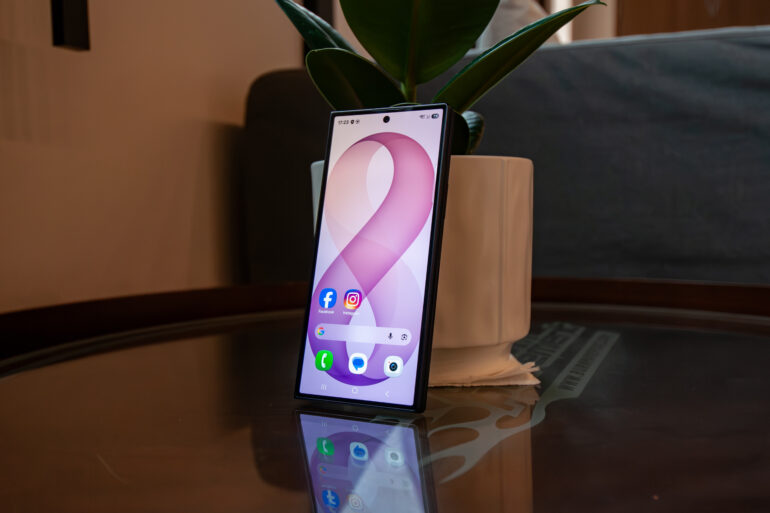
The Samsung Galaxy Z Fold 8 Ultra is the most accomplished foldable yet, fixing some of the format’s oldest annoyances. Trouble is, Samsung now sells another Fold that makes more sense.
A good foldable phone is useful when you stop thinking about the folding bit.
You open it to reply to an email, glance at a spreadsheet, watch YouTube while pretending to work, then shut it and carry on with your day. The hinge stops being a party trick and becomes something you operate with the same absent-mindedness as a car door.
The Samsung Galaxy Z Fold 8 Ultra has reached that point. That is both its greatest achievement and, strangely enough, part of its problem.
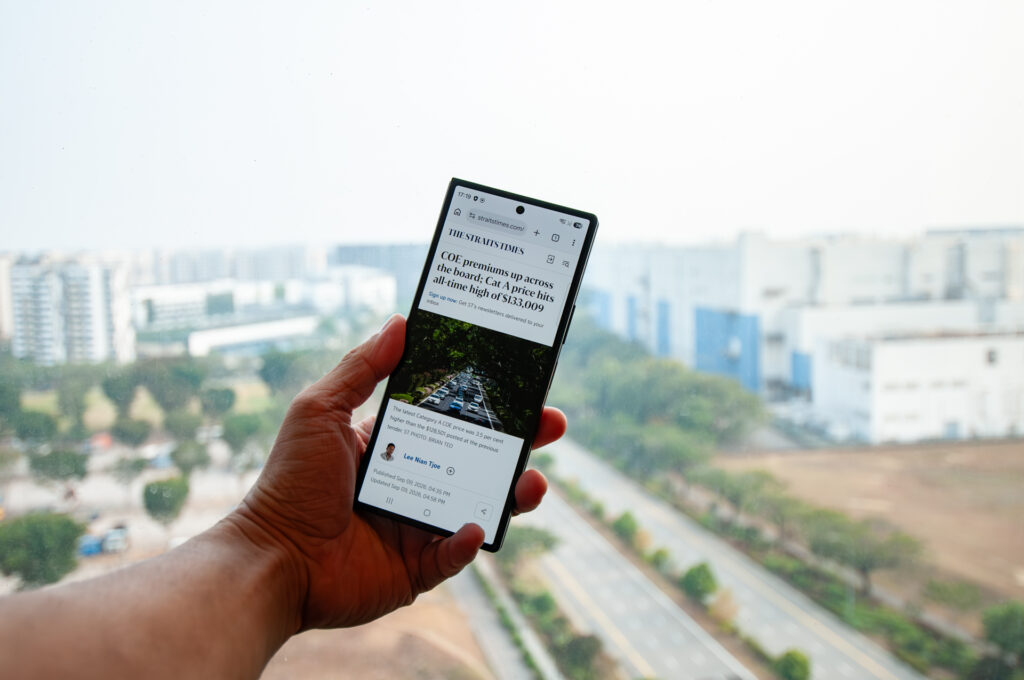
The Z Fold 8 Ultra is surprisingly ordinary to use when closed, which is meant entirely as praise.
It weighs 215g and measures just 8.9mm thick when folded. Open it, and the chassis is only 4.1mm thick. The outer 6.5-inch display is large enough that you can happily use the Z Fold 8 Ultra like a conventional smartphone without constantly feeling the need to unfold it.
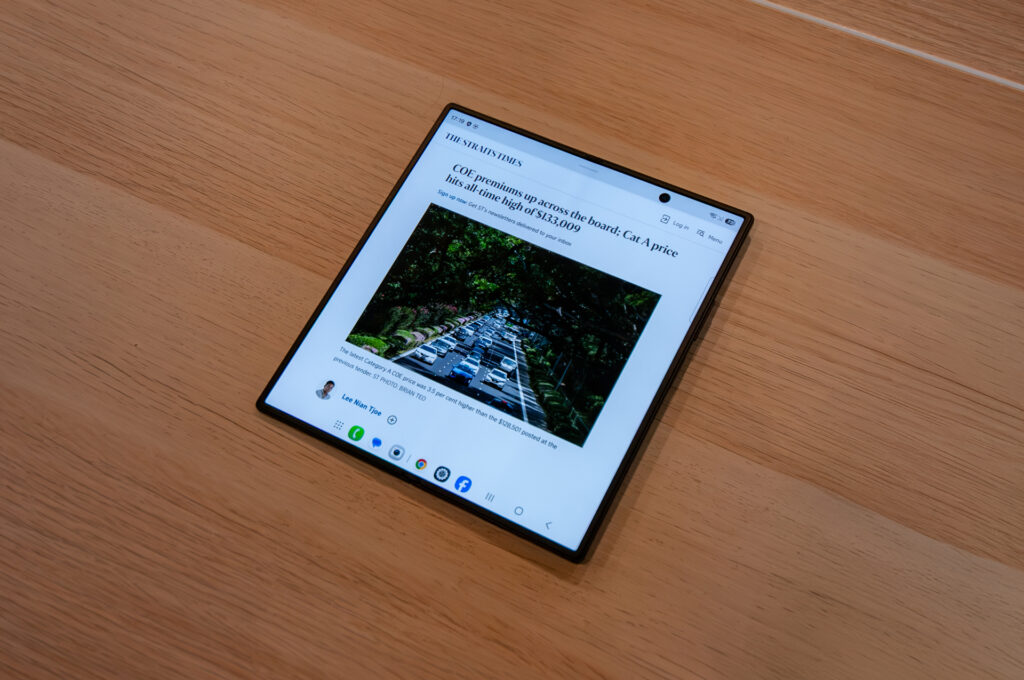
Do unfold it, however, and there is an 8-inch Dynamic AMOLED 2X display waiting inside.
Samsung has also done something about that perennial foldable-phone conversation starter: the crease. Its new display structure reduces the crease noticeably. You can still find it if you go looking for it, rather like a scratch on a new car, but normal people have better things to do.
Both displays run at up to 120Hz and can hit a claimed 3,000 nits of peak brightness. The inner screen also receives an anti-reflective treatment, which helps outdoors, although fingerprints remain stubbornly immune to technological progress.
The Z Fold 8 Ultra is IP48-rated, so water is not the major concern it once was with foldables. Fine dust and sand remain another matter.
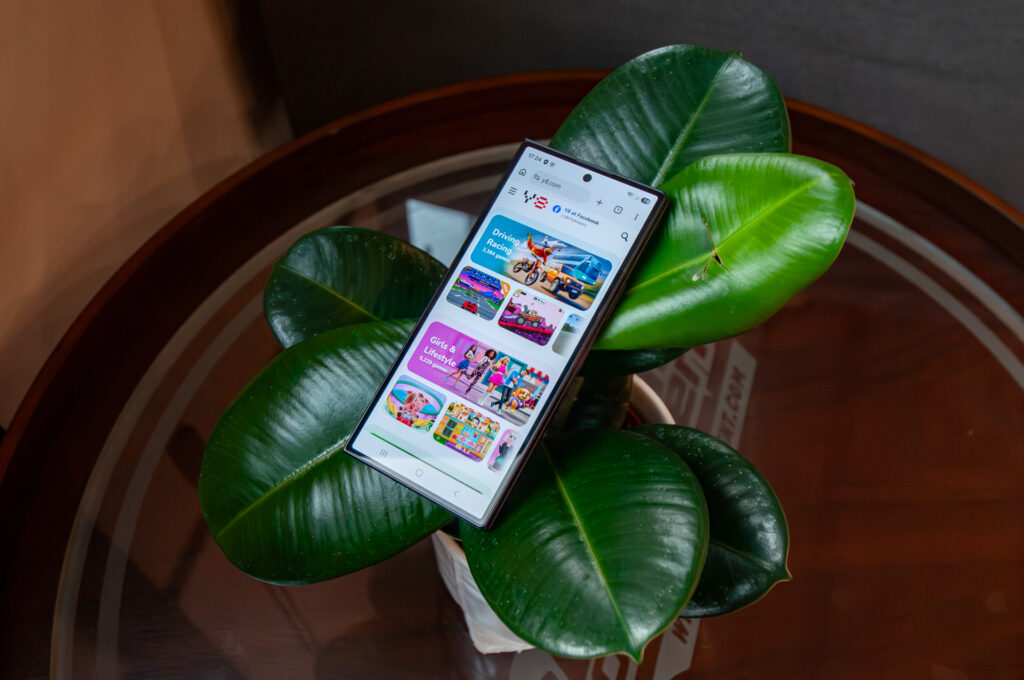
Inside is Qualcomm’s Snapdragon 8 Elite Gen 5 for Galaxy, with 12GB of RAM on the 256GB and 512GB models and 16GB on the 1TB version. Performance is predictably enormous.
In testing, it is comfortably ahead of Samsung’s regular Fold 8 in processing benchmarks, although whether anyone has ever complained that a S$2,500-plus Samsung opens WhatsApp too slowly is another question.
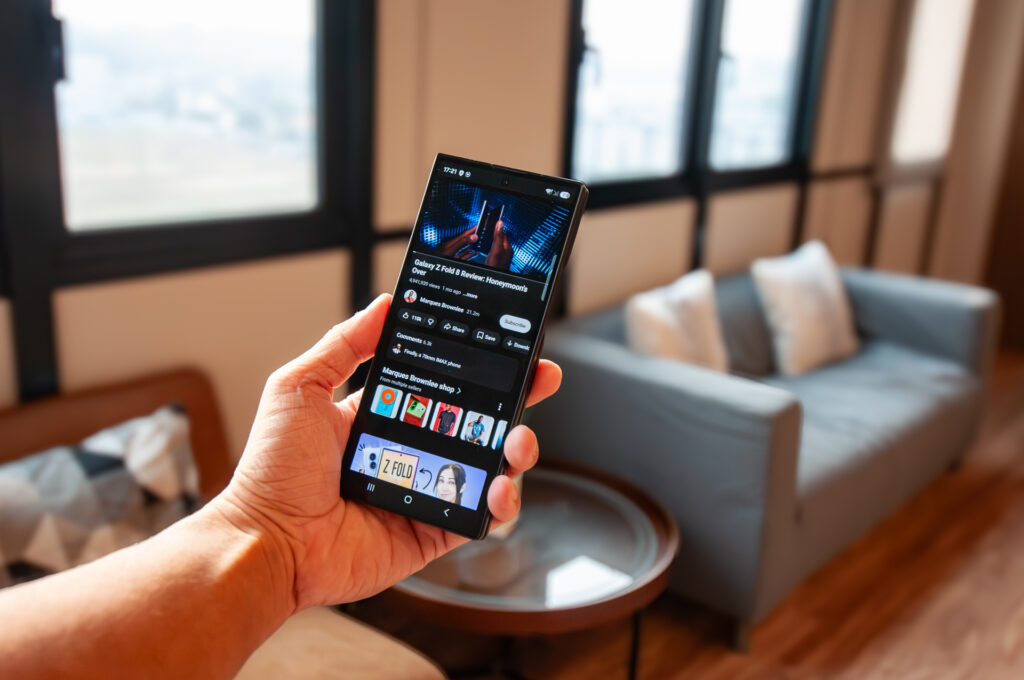
The important thing is what Samsung does with all that screen. One UI 9 remains arguably the Fold 8 Ultra’s killer feature. Running two apps side-by-side actually makes sense on an 8-inch panel, while dragging text, pictures and files between windows makes the device feel less like an oversized phone and more like a tiny tablet that happens to fit into a trouser pocket.
Samsung has naturally filled it with AI features too. Some are genuinely useful, particularly when editing pictures, summarising information or working across multiple applications. But they are supplements to the Fold experience rather than reasons to spend nearly three grand on one.
Samsung promises seven generations of Android upgrades and seven years of security updates, which at least means the Fold 8 Ultra should remain current long after the psychological damage from paying for it has subsided.
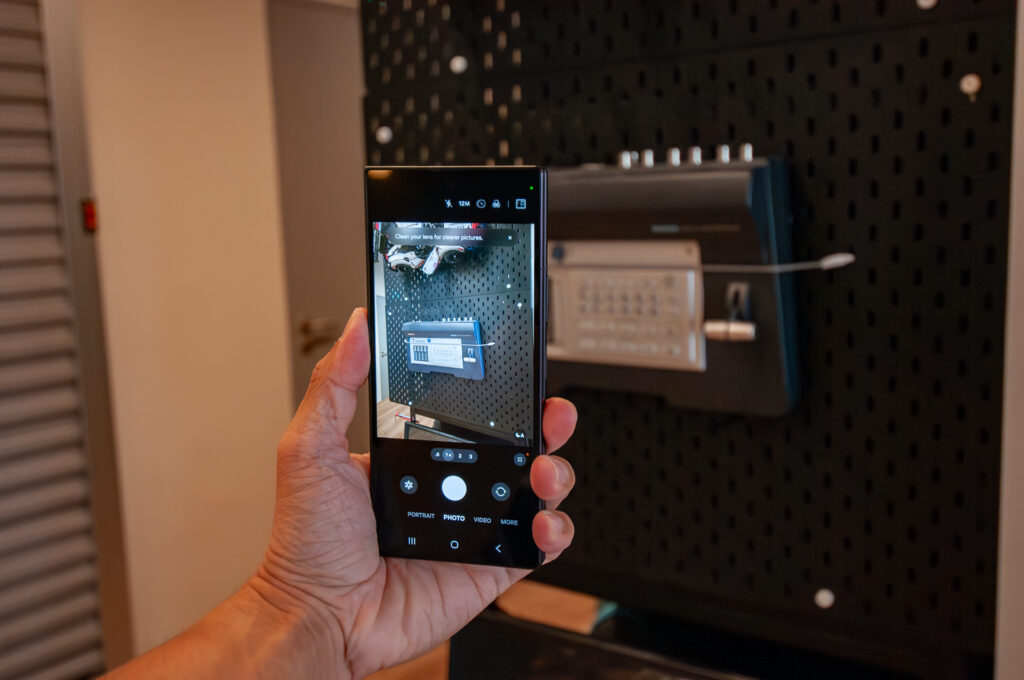
The most meaningful upgrade is hidden inside. Samsung has fitted a 5,000mAh battery, up substantially from the 4,400mAh unit in the Fold7. Having daily ran a Fold 7 for the better part of a year, the new Fold 8 lasts more than three hours longer than its predecessor.
Charging has improved too, with 45W wired and 20W wireless charging. For a device whose entire reason for existing is to encourage you to stare at an enormous display for longer, topping it up should be a fuss-free and quick affair.
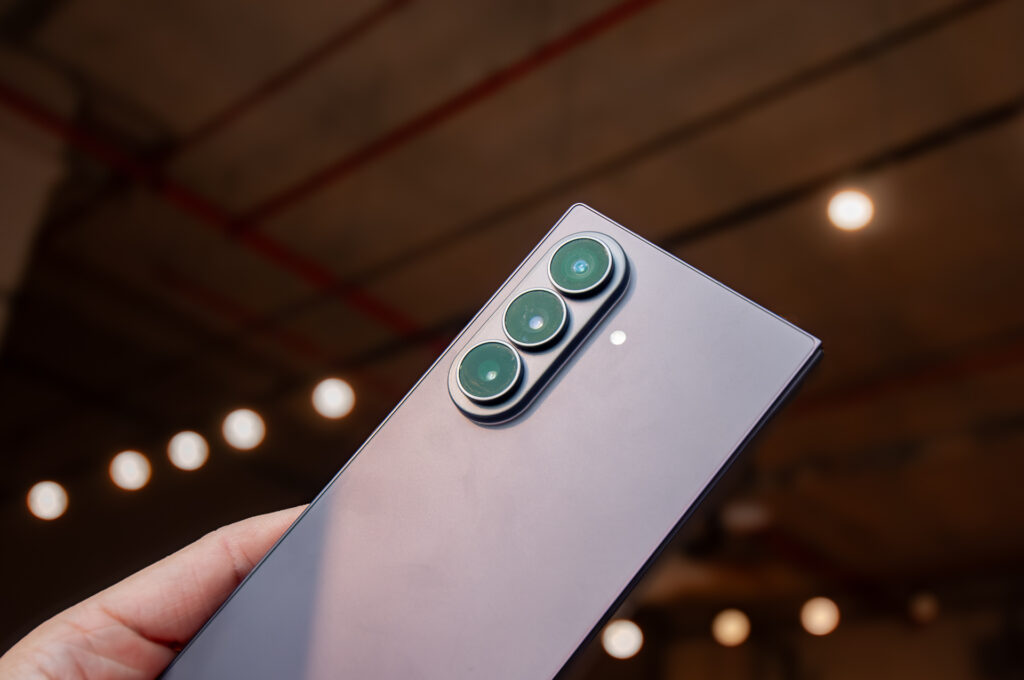
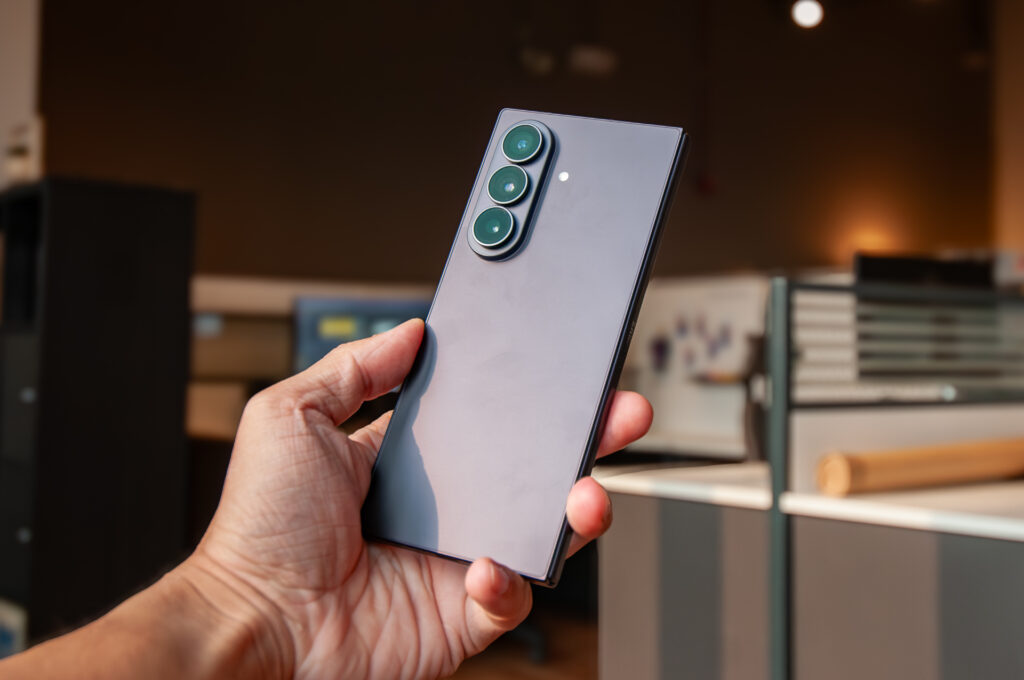
Around the back is a 200-megapixel main camera, a new 50MP ultra-wide and a 10MP telephoto with 3x optical zoom.
The main and ultra-wide cameras are excellent. Photos have plenty of detail, and Samsung appears to have restrained some of the radioactive colours its phones once enjoyed producing.
However, the telephoto is less convincing. Three-times optical zoom is fine, but it feels oddly conservative on something wearing an “Ultra” badge. Push towards the 30x digital maximum and image quality deteriorates quickly.
Samsung’s conventional Galaxy S26 Ultra remains the more sensible choice if photography, rather than folding, sits at the top of your priorities.
Verdict: The problem is Samsung’s other Fold
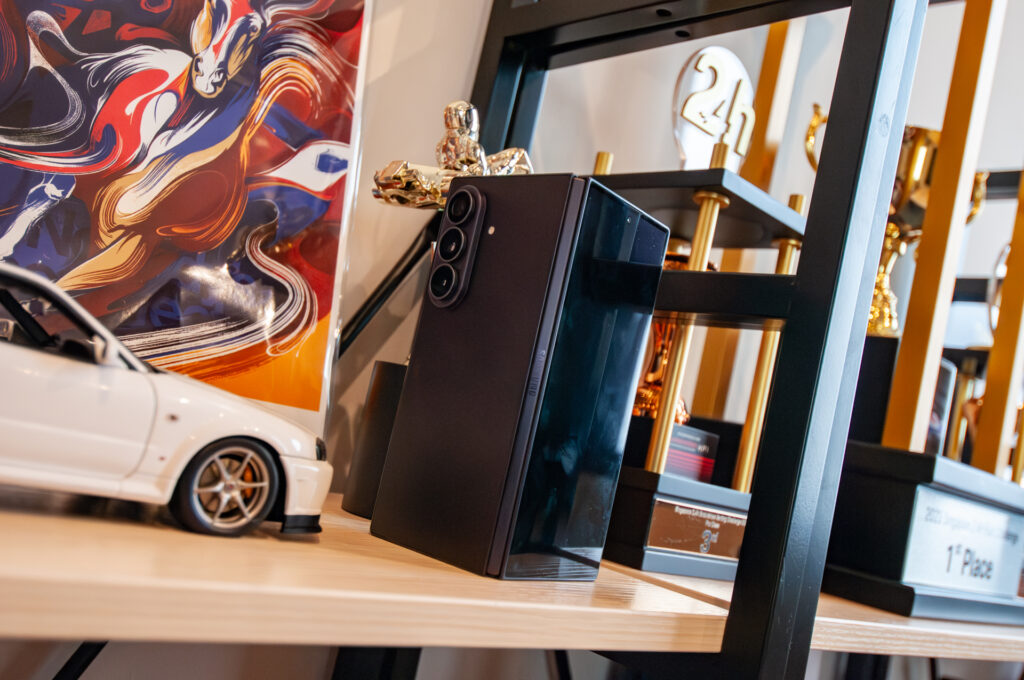
Samsung also sells the regular Galaxy Z Fold 8. It starts at S$2,498, exactly S$300 less than the Z Fold 8 Ultra, and adopts a squatter, more passport-like shape intended to make videos and everyday content more comfortable to view.
The Ultra counters with the larger display, a bigger battery and much better camera hardware. It is technically the superior machine. But, “technically superior” and “the one you should buy” are not always the same thing.
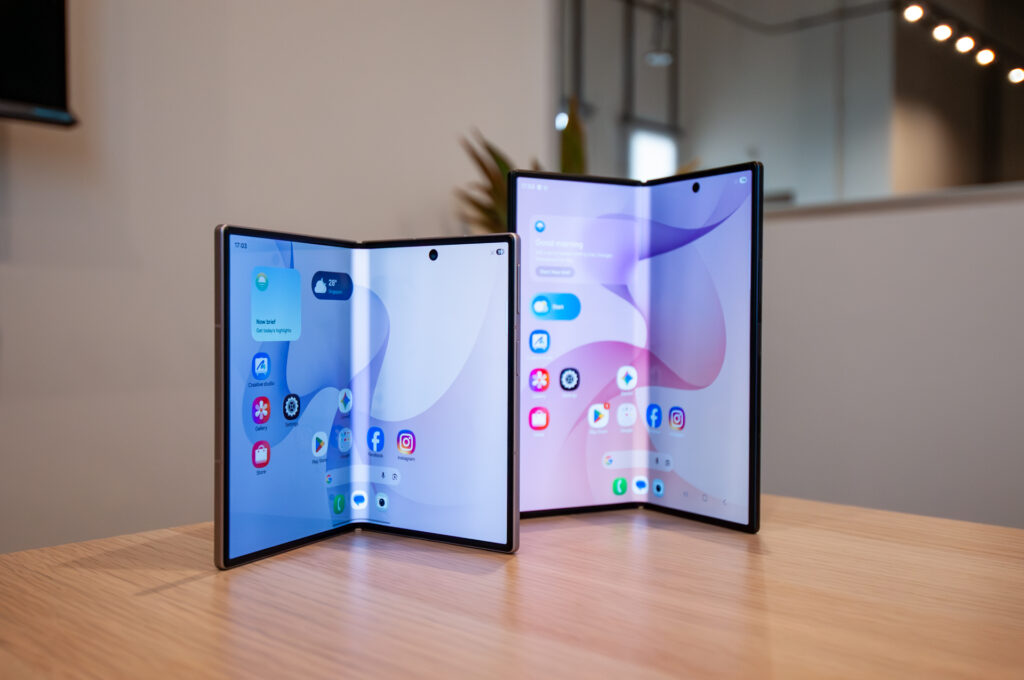
The regular Z Fold 8 is smaller, lighter and cheaper while retaining much of the same folding-phone magic. That leaves the Z Fold 8 Ultra in a peculiar position.
It is probably Samsung’s best folding phone yet. The display is excellent, the crease is barely worth discussing, performance is ludicrous, battery life has finally caught up, and Samsung still understands foldable software better than most.
But it is also S$2,798. At that price, being very good is merely the entry requirement.
Buy the Z Fold 8 Ultra if you genuinely want a phone that can replace some of what you normally do on a tablet or laptop, and if its superior cameras and larger screen matter to you. For everyone else, Samsung has inconveniently produced another Fold that delivers most of the experience for less.
The biggest threat to Samsung’s finest foldable, it turns out, comes from Samsung.
Samsung Galaxy Z Fold8 Ultra
Processor: Snapdragon 8 Elite Gen 5 for Galaxy
Displays: 6.5-inch outer / 8.0-inch folding Dynamic AMOLED 2X, 120Hz
Cameras: 200MP main / 50MP ultra-wide / 10MP 3x telephoto
Battery: 5,000mAh, 45W wired charging
Memory: 12GB or 16GB RAM
Storage: 256GB / 512GB / 1TB
Weight: 215g
Price: From S$2,798
Liked this? Check out more articles on Futr tech here.