Eight generations in, Samsung has finally produced a passport-sized foldable with the Galaxy Z Fold 8.
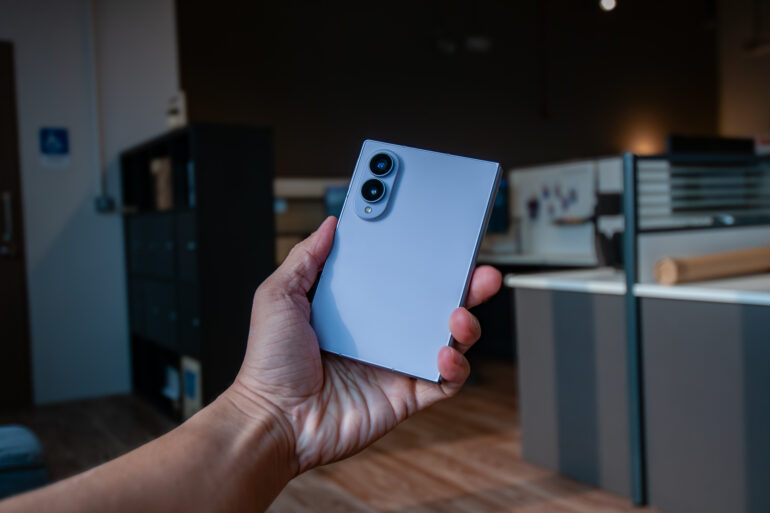
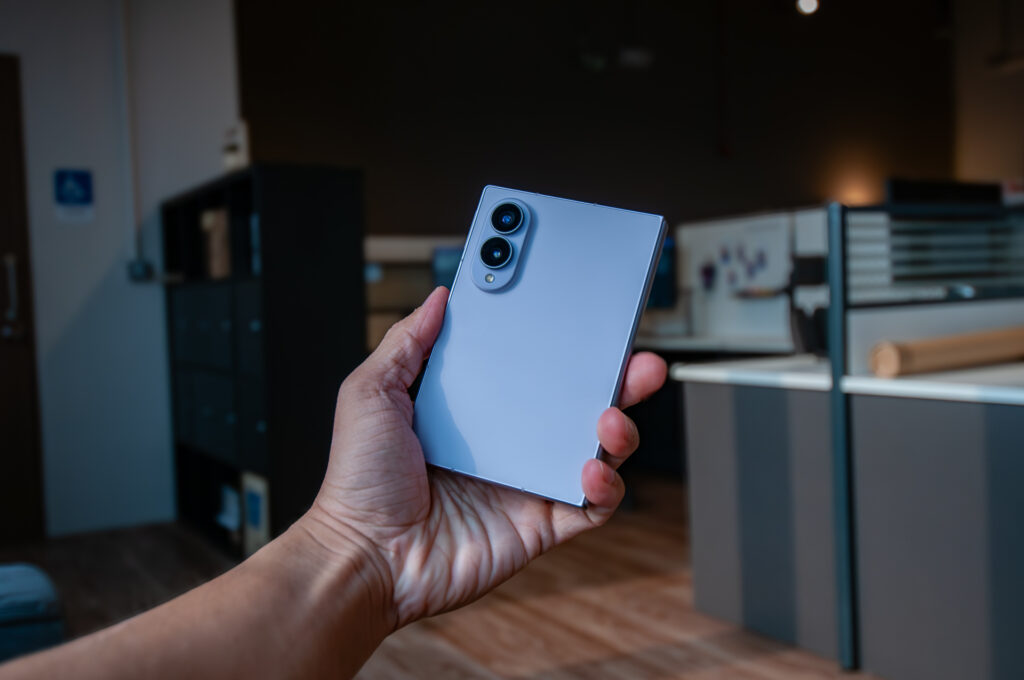
This is Samsung’s lightest Fold yet, weighing in at 201g and measuring just 9.7mm thick when closed, plus adopting a shorter, wider shape that makes both of its screens more useful.
In Singapore, it starts at S$2,498 for 256GB, rises to S$2,798 for 512GB, and tops out at S$3,398 for the 1TB version. That is still an alarming amount of money for something people routinely drop on pavements.
But at least the Fold now feels like it is earning more of it.
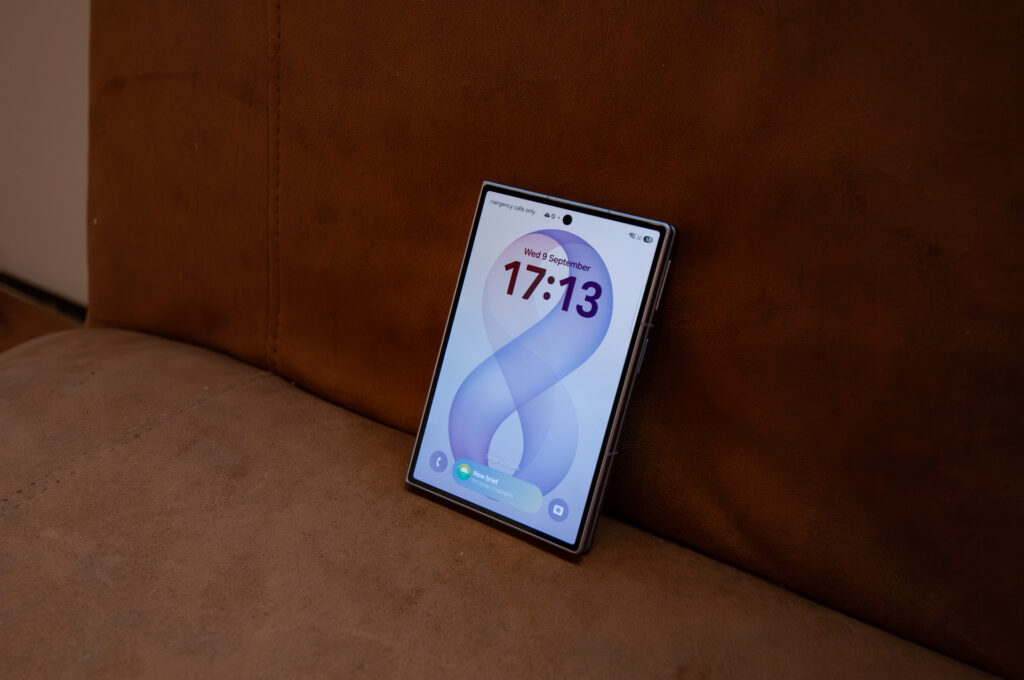
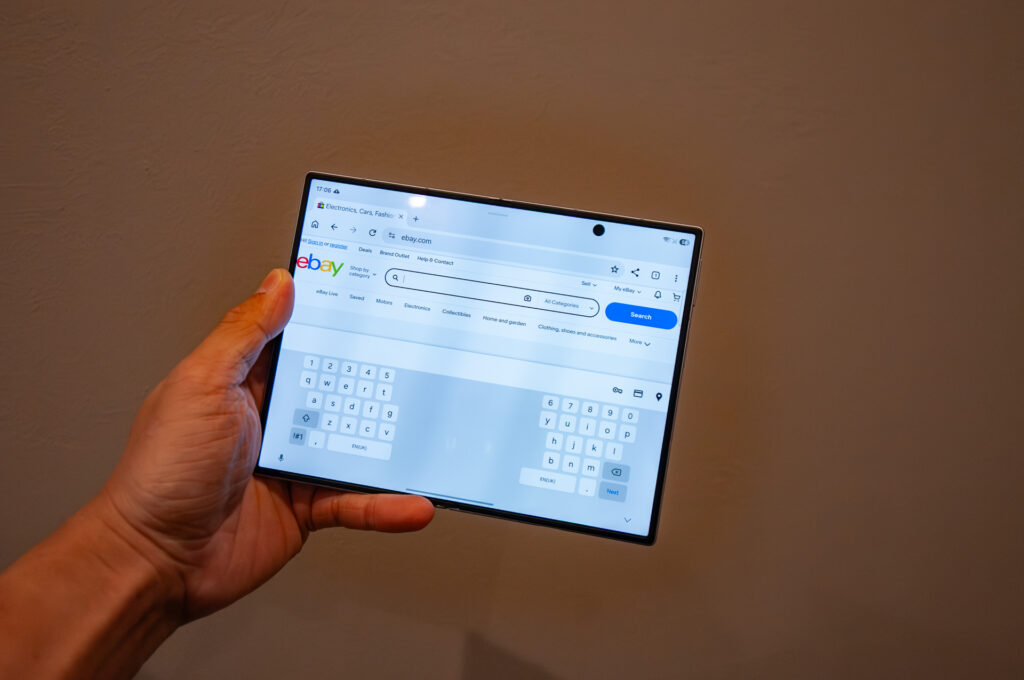
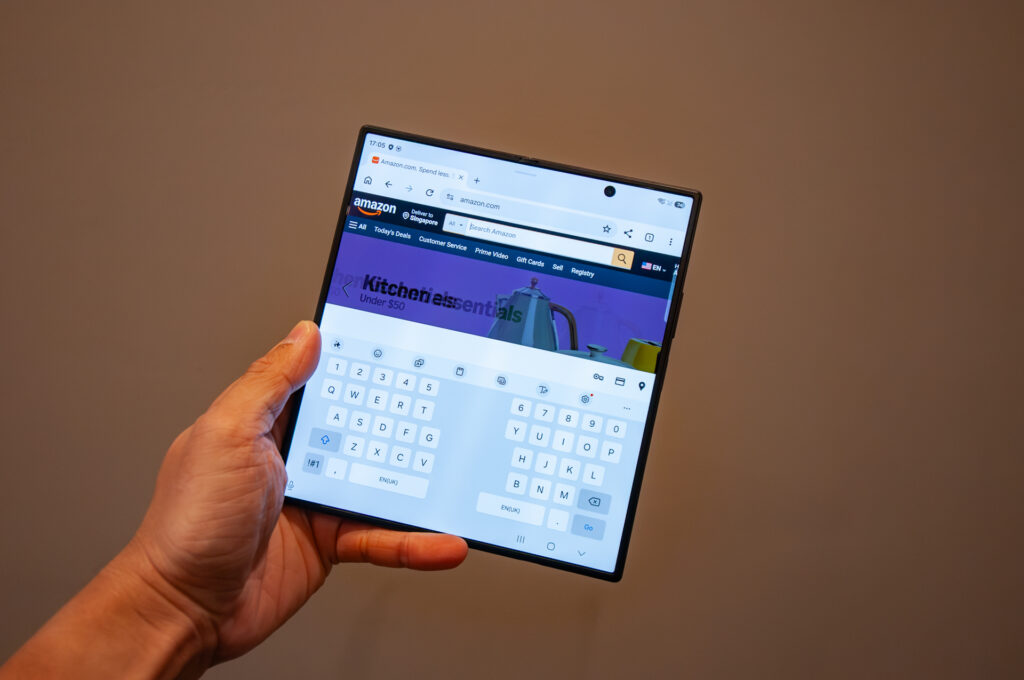
The Fold 8 uses a 5.5-inch cover screen with a 10:16 aspect ratio, while opening it reveals a 7.6-inch 4:3 display. The change makes the closed phone shorter and wider, rather than the TV-remote proportions associated with older Folds.
The outside screen now feels far more natural for messaging, scrolling and typing, while the larger inner screen works better for videos and side-by-side applications.
More importantly, the wider inner display reduces the large black bars that previously made watching widescreen video on a supposedly enormous screen feel faintly absurd.
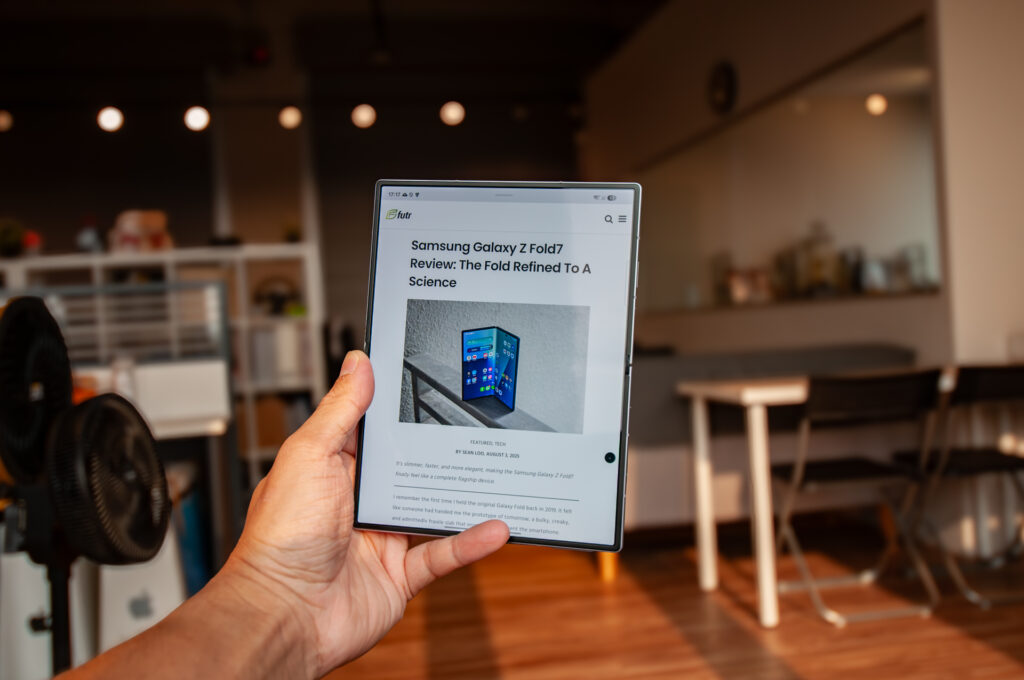
At 201g, the Fold 8 is actually lighter than many conventional flagship phones. Samsung has also trimmed the unfolded thickness to 4.5mm. For perhaps the first time, carrying a Fold does not feel like keeping two phones hinged together in your pocket.
Open the phone and applications suddenly have enough room to breathe. Documents can sit beside email, maps can share space with messages, and media feels far more immersive than on a conventional slab phone. Samsung has also made the infamous folding crease considerably less obvious. It is still there (physics has not resigned), but it is much easier to ignore during normal use.
The new aspect ratio also suits content better. There is an irony here. Samsung spent years making its foldable screen bigger, only to discover that shape matters almost as much as sheer area.
Power comes from Qualcomm’s Snapdragon 8 Elite Gen 5 for Galaxy, Samsung’s customised version of Qualcomm’s latest flagship chipset. Apps open immediately, multitasking feels effortless, and the processor has more than enough performance for gaming, photo editing and Samsung’s increasingly elaborate Galaxy AI features.
But outright speed is not really why you buy a Fold. Its real advantage is being able to use that performance across several applications at once.
Samsung’s foldable software remains among the most mature in the category, supporting proper split-screen multitasking rather than merely stretching ordinary phone apps across a larger display. This is where the big screen stops being a novelty and starts earning its keep.
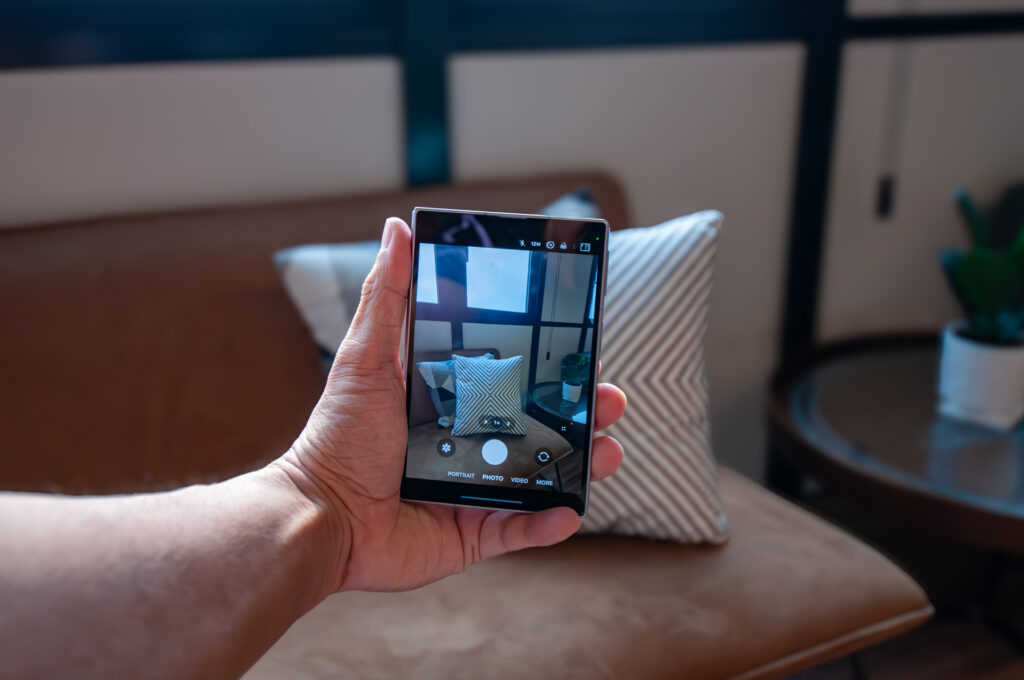
The standard Fold 8 uses a 50MP main camera and 50MP ultrawide camera, with digital zoom extending to 10x.
The cameras are perfectly capable for day-to-day photography, but Samsung deliberately reserves the more extravagant hardware for the Galaxy Z Fold 8 Ultra, which receives a 200MP main camera and dedicated 3x telephoto lens.
If photography is your priority, there are cheaper conventional flagships with more versatile camera systems. The Fold compensates in other ways. Open it halfway, and the device itself becomes its own tripod. Photos can be previewed on the larger screen, while the cover display can help subjects see their framing.
Foldables have traditionally suffered from an unfortunate equation: more screen, same trousers, therefore not much room for battery.
The Fold8 carries a 4,800mAh battery, with Samsung claiming up to 26 hours of video playback. It lasted nearly 17 hours, enough for this publication to explicitly dismiss the old complaint that foldable battery life is terrible.
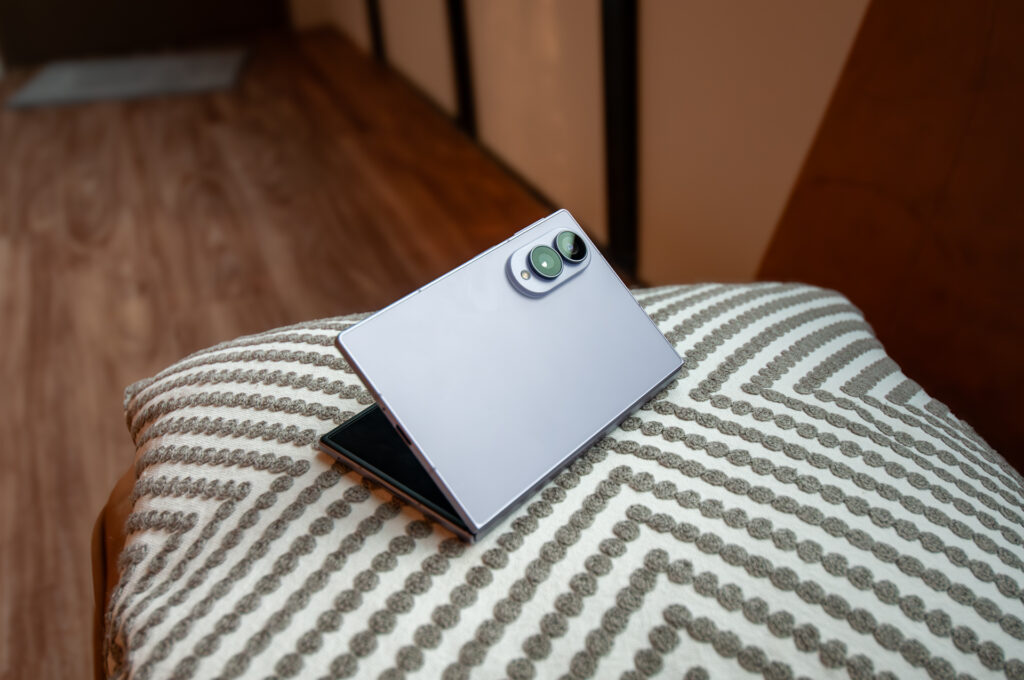
There is one curious casualty of the redesign. The Fold8 no longer supports Samsung’s traditional Flex Mode, where the hinge could hold the phone partially open like a miniature laptop.
The redesigned hinge prioritises a thinner, lighter body instead. Some long-time Fold owners will miss it. But this feels like one of those rare examples where losing a feature may improve the product overall.
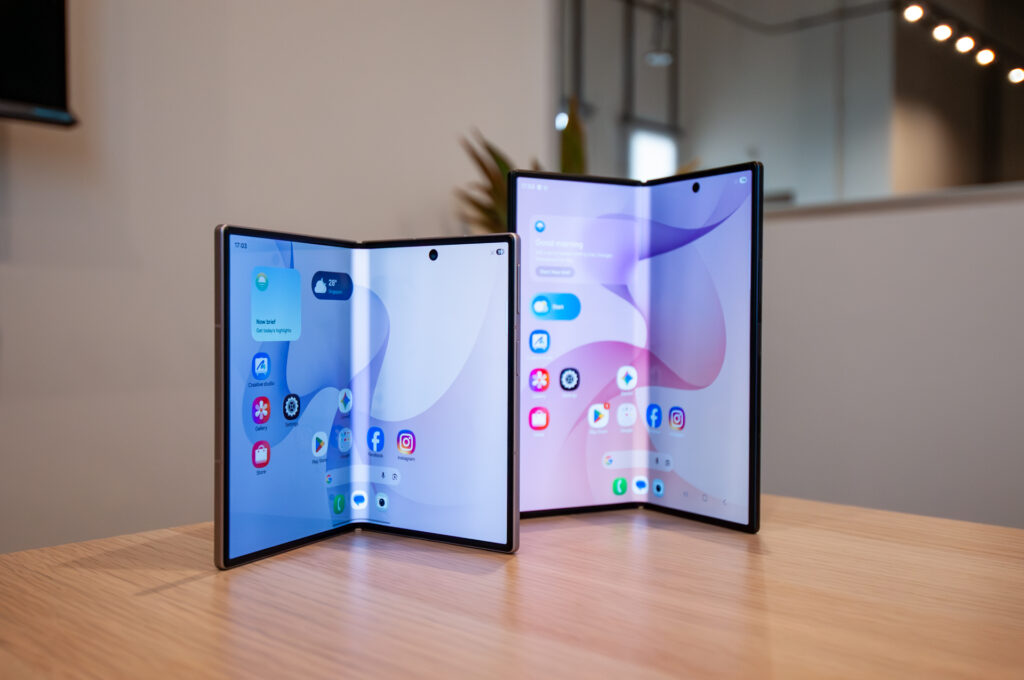
Samsung continues to fill its flagship phones with Galaxy AI features, but the Fold’s larger display gives some of them more room to make sense.
Tasks involving summaries, image editing and side-by-side information naturally benefit from the tablet-sized screen, while Samsung’s newer tools include AI-assisted video reframing that can follow selected subjects after recording.
As with most smartphone AI, usefulness varies. But if there is a Samsung phone where generative tools and multitasking feel naturally at home, it is this one.
Verdict: the Fold grows up
The Samsung Galaxy Z Fold 8 feels good not because Samsung has added another headline feature, but because it has removed so many of the excuses not to buy a foldable.
The cameras could be more ambitious, and the loss of Flex Mode will irritate some existing owners. Above all, S$2,498 remains difficult to describe with a straight face as reasonable.
But Samsung has been building these things since 2019, and eight generations later, the experimentation is finally showing. The important difference is that it now feels like an excellent phone first, and a folding one second.
Samsung Galaxy Z Fold 8
Processor: Snapdragon 8 Elite Gen 5 for Galaxy
Displays: 5.5-inch outer / 7.6-inch folding Dynamic AMOLED 2X, 120Hz
Cameras: 50MP main / 50MP ultra-wide
Battery: 4,800mAh, 45W wired charging
Memory: 12GB or 16GB RAM
Storage: 256GB / 512GB / 1TB
Weight: 201g
Price: From S$2,498
Liked this? Check out more articles on Futr tech here.