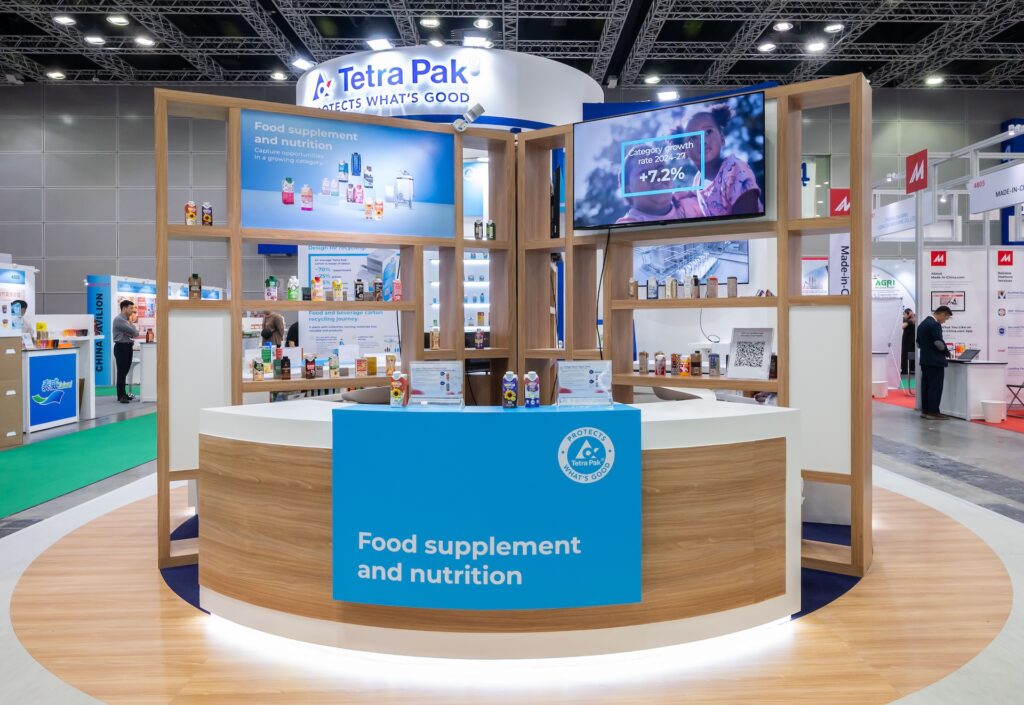
Tetra Pak Malaysia used this year’s Malaysian International Food & Beverage Trade Fair to showcase how processing, packaging and product development can be brought together to help manufacturers move more quickly from an idea to commercial production.
Held from 15 to 17 July at the Kuala Lumpur Convention Centre, MIFB 2026 brought together industry professionals from across the region, with Tetra Pak’s participation centred on smart manufacturing, sustainability and the development of new food and beverage categories.
Developing a new drink or food product usually involves expensive equipment, long testing cycles and a fair amount of commercial uncertainty. By using Tetra Pak’s local infrastructure and regional co-packing network, brands can test, refine and launch products without committing to the same level of upfront capital expenditure.
John Jose, Marketing Director for Tetra Pak Malaysia, Singapore, the Philippines and Indonesia, said the company’s participation at MIFB reflected its commitment to helping food and beverage manufacturers prepare for the future.
“By integrating product development, processing, and packaging under a single framework, we are enabling local brands to mitigate risk, accelerating time-to-market, and scale efficiently to capture both domestic and export opportunities,” he said.
New opportunities in plant-based nutrition
Tetra Pak also highlighted several categories that continue to attract attention from consumers and manufacturers, including ready-to-drink coffee, tea and plant-based nutrition.
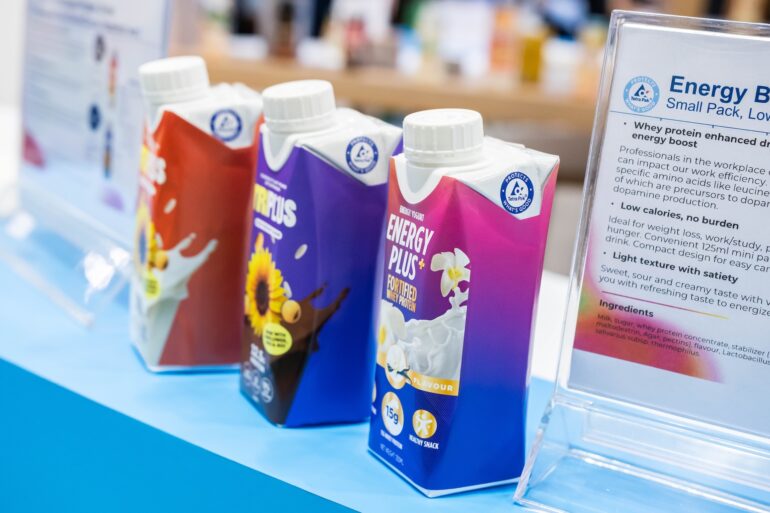
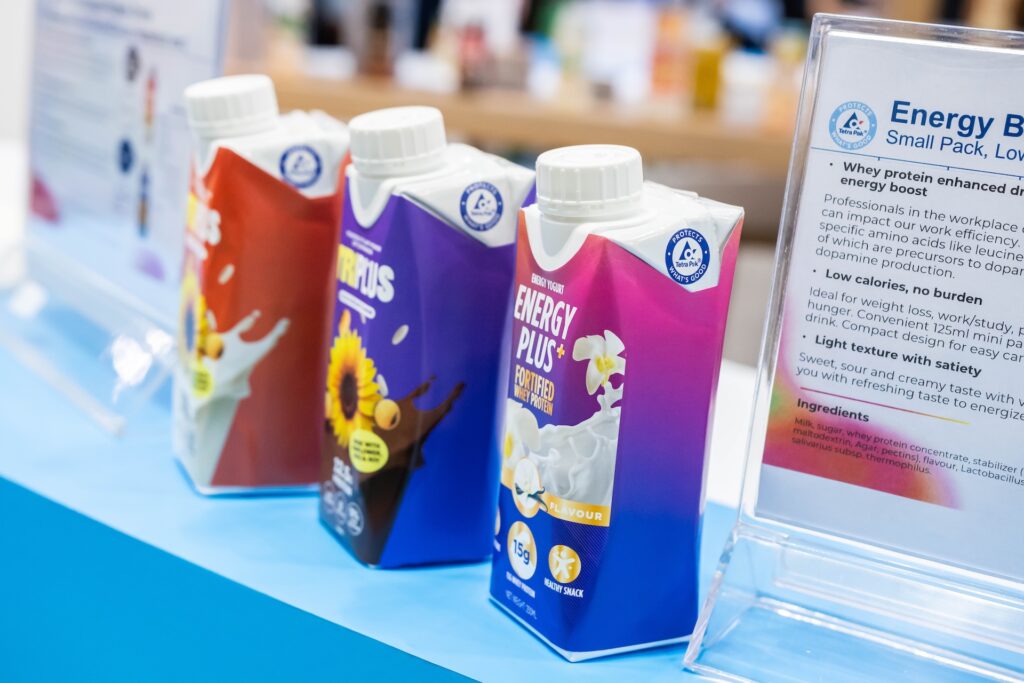
One of the more unusual products on display was a sunflower-based protein beverage prototype. Tetra Pak describes it as a scalable, lower-cost and allergen-friendly alternative to more established plant proteins.
The ingredient offers a protein composition of 50 per cent and a digestibility rate of 98 per cent. Those figures give manufacturers another possible route into the crowded plant-based market, particularly if they are looking to move beyond the familiar territory of soy, oat and almond.
A carton alternative to cans and jars
Packaging formed the other major part of Tetra Pak’s showcase. Among the products highlighted was Tetra Recart, a carton-based format for shelf-stable food that is positioned as an alternative to conventional cans and glass jars. Tetra Pak says the format can reduce carbon emissions across the supply chain by up to 85 per cent while maintaining food safety and shelf life.
The company also displayed packaging in a wide range of sizes, from compact single-serve formats intended for on-the-go consumption to larger packs designed for family use at home.
Building the connected factory
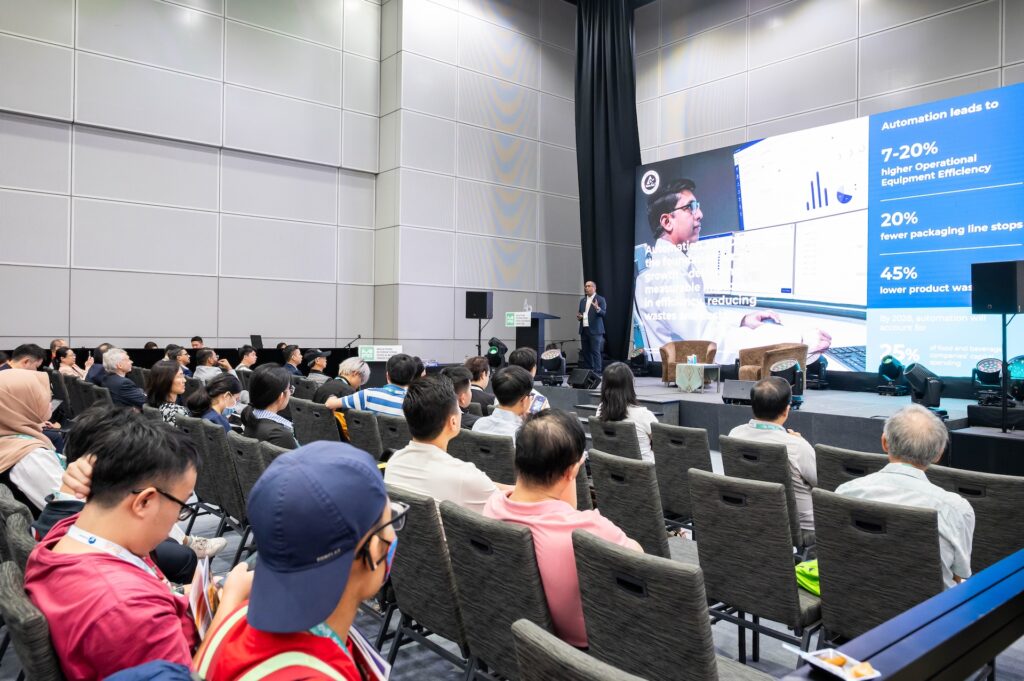
Digital manufacturing was another central theme of Tetra Pak’s presence at the show. During a conference session titled Tetra Pak Factory OS: Your Competitive Edge in Malaysian F&B Manufacturing, the company explored how data analytics, automation and Internet of Things technology can be used to reduce downtime and improve resource efficiency.
A second session, Accelerate Innovation in Coffee, Tea and Protein Beverages with Tetra Pak Integrated Solutions, focused more directly on product development. It outlined how manufacturers can formulate, test and produce new beverages while taking sustainability and production efficiency into account from the beginning.
Sustainability as an operating requirement
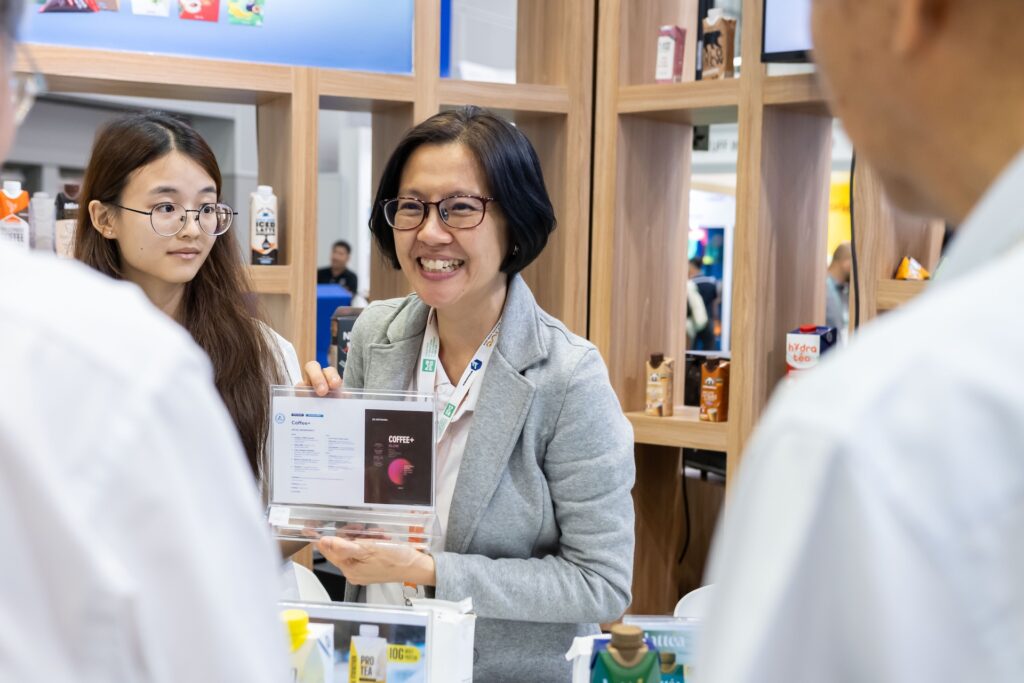
Tetra Pak also used the event to reaffirm its focus on reducing water, energy and product waste. Their answer is to treat sustainability and efficiency as closely linked. Using less water and energy is good for emissions, but it can also reduce costs. Cutting product waste is environmentally useful, but it also protects margins. In the factory, the greenest solution is often the one that wastes the least.
The company is betting that future growth in food and beverage manufacturing will come from joining product development, digital production and packaging into a more coherent system.
Like this article? Check out more lifestyle features here.