Google has launched its new Pixel 11 family in Singapore, and once again, the approach is evolutionary rather than revolutionary.
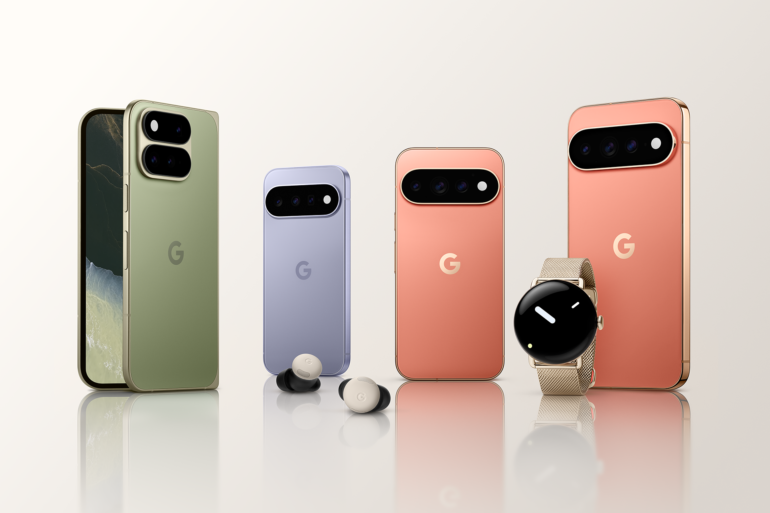
The line-up comprises four models: the Pixel 11, Pixel 11 Pro, Pixel 11 Pro XL and Pixel 11 Pro Fold. All four are powered by Google’s new Tensor G6 processor, while the broader upgrades focus on camera improvements, longer battery life, tighter AI integration and a handful of refinements intended to make the phones easier to live with.
If you were expecting Google to tear up the Pixel rulebook, this is not that generation. The Pixel 11 series looks familiar because it largely is. But that has increasingly become Google’s way with its smartphones: improve the useful bits, polish what already works and let software do much of the heavy lifting.
A familiar Pixel, cleaned up
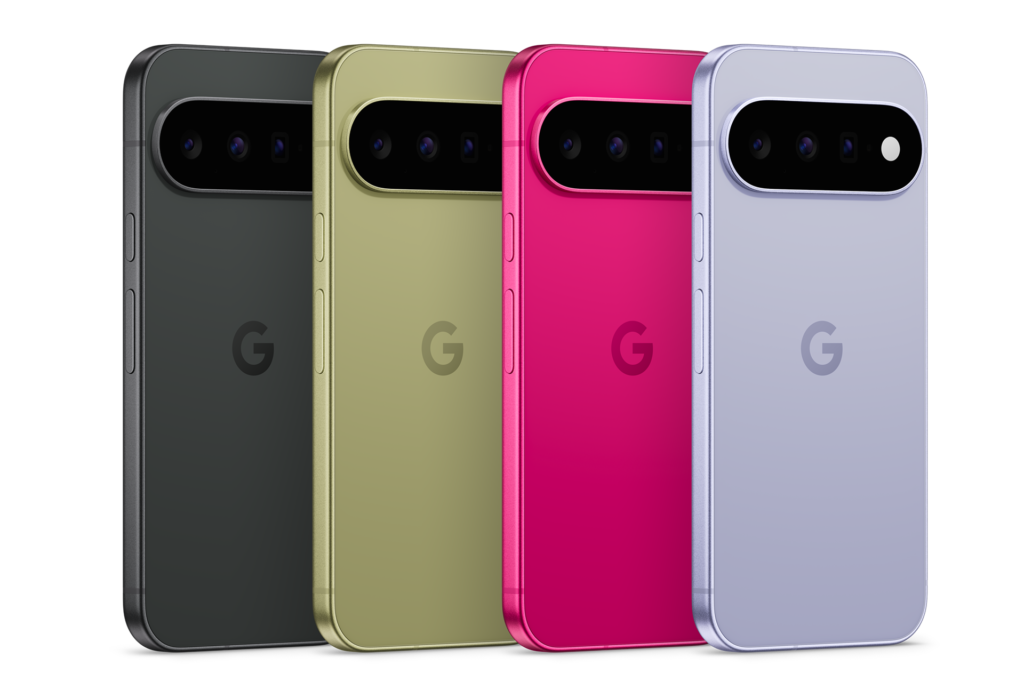
The three conventional Pixel 11 models retain the general proportions of their predecessors, but receive a redesigned camera bar formed from a single piece of edge-to-edge glass that blends into the surrounding metal frame.
All three phones continue to offer IP68 dust and water resistance and now use the 2nm Tensor G6 chipset. Google claims that on the standard Pixel 11, the new processor delivers up to 20 per cent better power efficiency, 25 per cent faster web browsing and 15 per cent quicker application loading compared with Tensor G5.
AI becomes more embedded
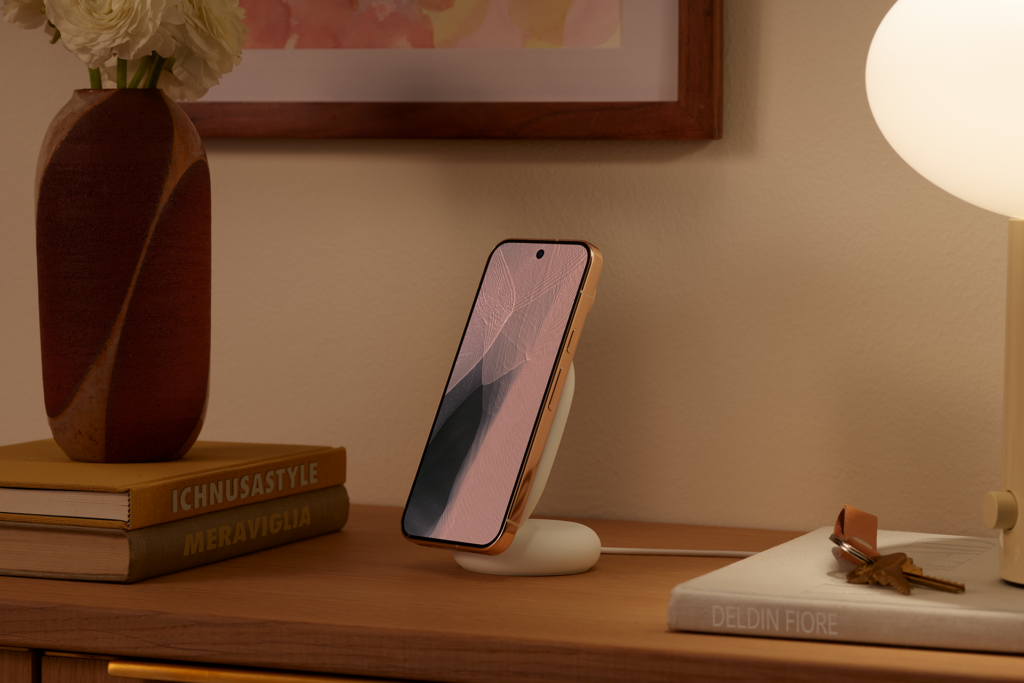
Gemini Intelligence is one of the main software themes across the Pixel 11 range. The system can draw relevant information from different applications and surface it when required, reducing the need to jump between several services to piece together an answer. There are also new voice-to-text capabilities that can automatically remove filler words and restructure spoken thoughts into cleaner written text.
Google has also integrated Circle to Search into the Pixel Camera application. Users can identify objects or translate visible text directly from the camera interface without first taking an image or switching applications.
Magic Capture, meanwhile, records video and high-quality photographs simultaneously with a single press. Camera Looks adds customisable film-inspired styles and filters, allowing users to create more consistent visual treatments for photographs.
Pixel 11 gets meaningful camera improvements
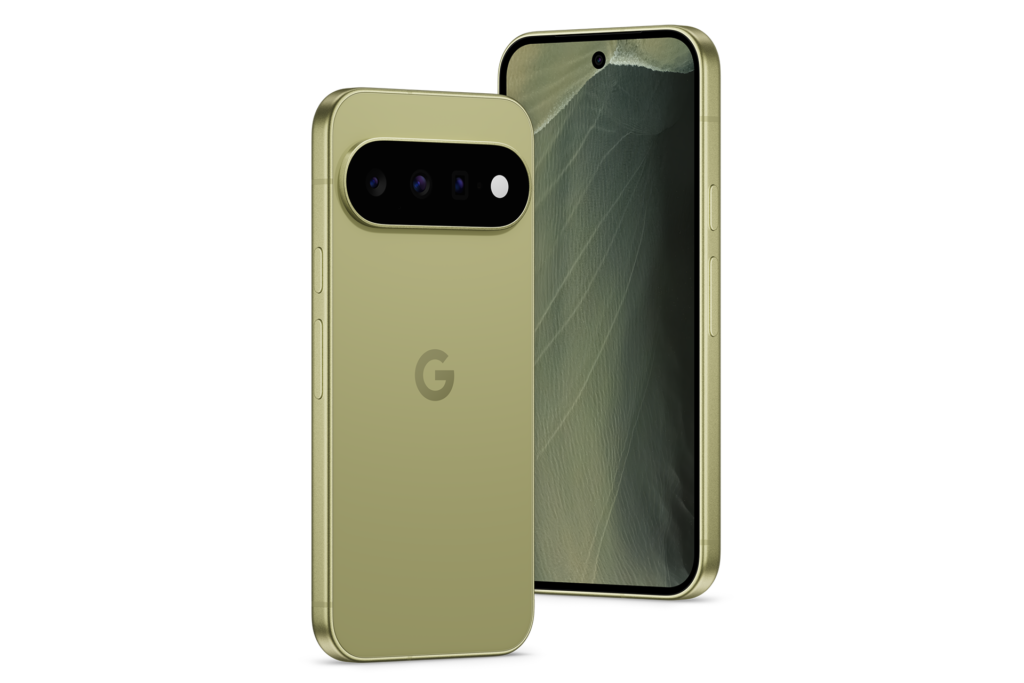
The standard Pixel 11 remains the entry point to the range, but receives several useful hardware upgrades.
Its 48MP main camera now uses a larger sensor that Google says offers 56 per cent better light sensitivity than the Pixel 10, while Super Zoom has been extended to 30 times. An improved image signal processor is also designed to reduce processing lag and speed up image capture. The display retains a peak brightness of 3,000 nits and is protected by Gorilla Glass Victus 2.
Inside sits a 4,985mAh battery, with Google claiming more than 30 hours of use. Wired charging reaches 30W and is said to restore 55 per cent of the battery in 30 minutes, while wireless charging is 25 per cent quicker than before through built-in Pixelsnap magnetic compatibility.
The Pixel 11 comes with 12GB of RAM and begins with 256GB of storage.
The Pro models get the more interesting additions
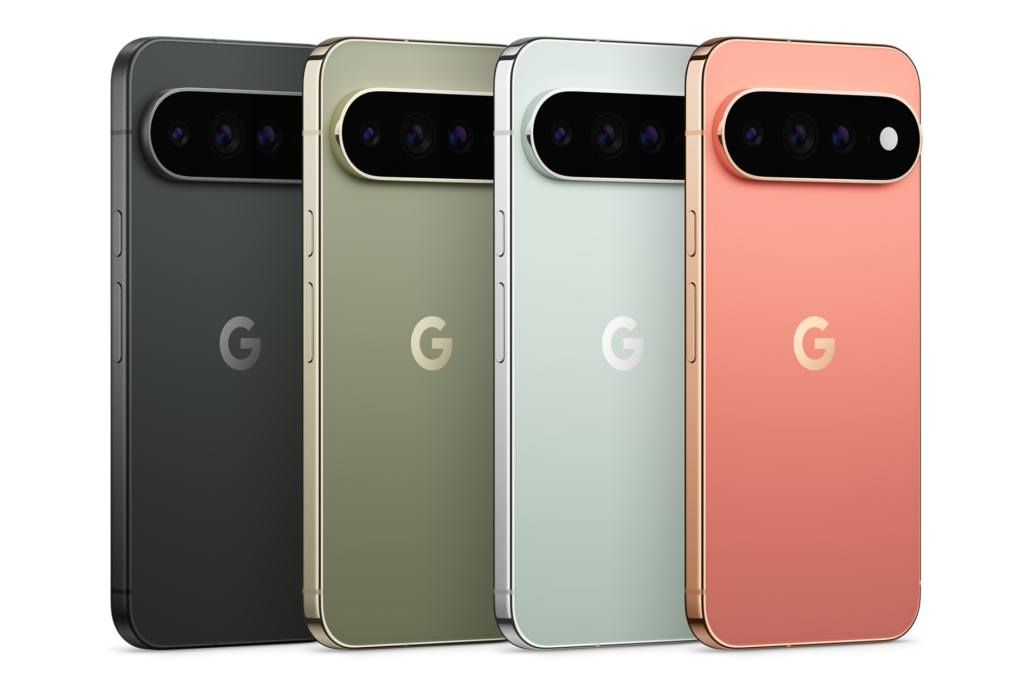
The Pixel 11 Pro and Pixel 11 Pro XL receive the more substantial upgrades.
The most visible is HiLight, a new LED array built into the camera bar. When Flip to Shhh is activated by placing the phone face down, HiLight can glow in customisable colours when favourite contacts call.
The system works with both Phone by Google and WhatsApp, allowing the same assigned colour to identify a particular contact regardless of how they are calling.
The Pro displays now reach a peak brightness of 3,600 nits, while Gorilla Glass Victus 2 receives a coating that Google says provides more than twice the previous level of scratch resistance.
Cameras remain the Pixel calling card
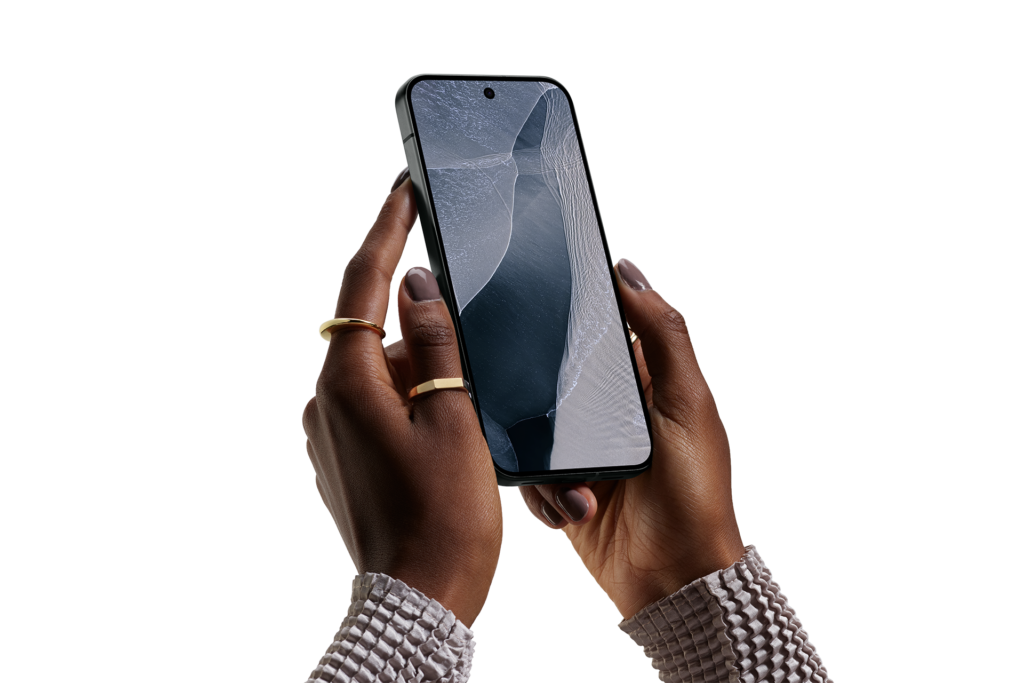
Both Pro models receive a new 50MP main camera built around a 1/1.3-inch sensor, along with two-times optical-quality zoom. The telephoto camera has also been upgraded to capture 32 per cent more light, while digital zoom now stretches to 120 times. Instant Night Sight is designed to capture low-light photographs up to 4.5 times faster than conventional Night Sight.
Both Pro models are available with up to 16GB of RAM and 1TB of storage, with Google claiming more than 30 hours of battery life.
The Pixel 11 Pro carries a 4,850mAh battery, while the larger Pro XL receives a 5,115mAh unit. The Pro XL can recharge to approximately 75 per cent in 30 minutes, while the smaller Pro reaches around 55 per cent over the same period.
Wireless charging performance is also improved by 17 per cent on the Pro XL and 29 per cent on the Pro.
Pixel 11 Pro Fold gets lighter and tougher
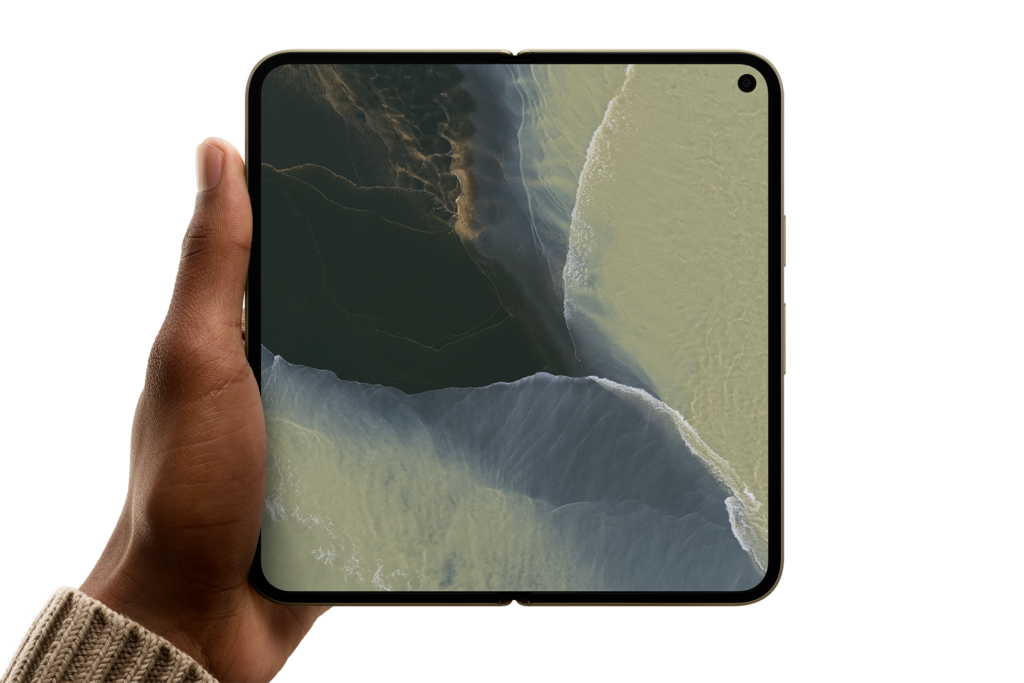
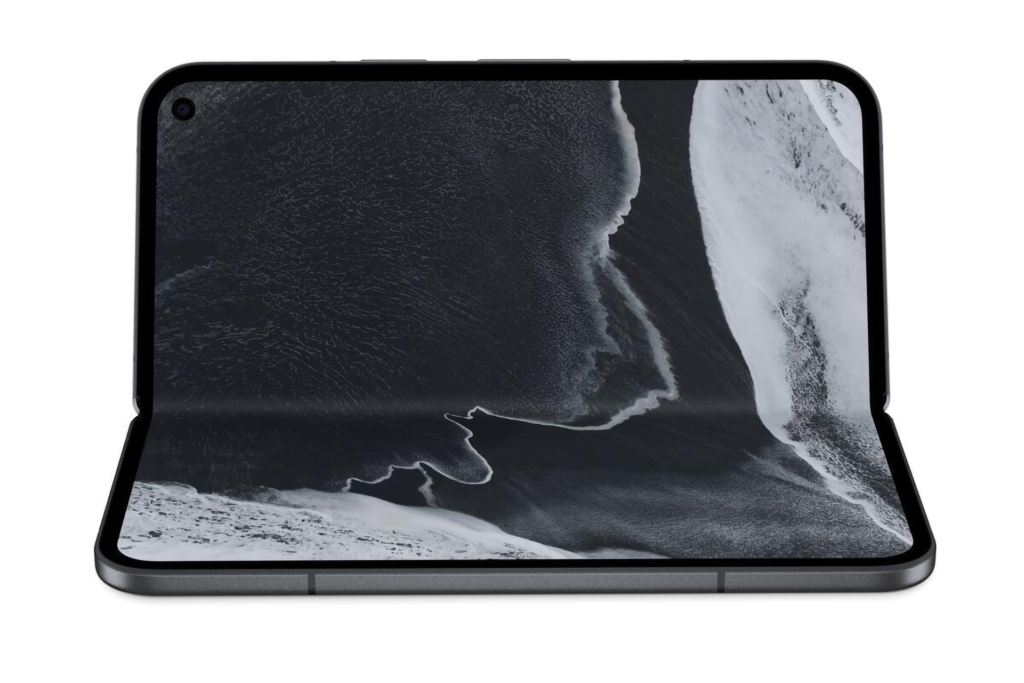
Google has not forgotten its foldable either. The Pixel 11 Pro Fold is now in its fourth generation and receives some of the most meaningful physical changes in the line-up.
Google has shaved almost 1mm from its thickness and reduced weight by around 10 per cent compared with the previous model. A new aerospace-grade ultra-high-strength steel hinge is paired with a soft-touch composite rear panel, while IP68 dust and water resistance remains.
The exterior display grows to 6.5 inches and now uses Google’s Super Actua panel technology for the first time on the Fold’s cover screen. Both displays are said to be 20 per cent brighter than before, while the inner screen remains an eight-inch Super Actua Flex panel.

The Pixel 11 Pro Fold receives a new 48MP main camera that Google says captures up to 56 per cent more light, while its telephoto system supports up to 30 times Super Zoom. It also gains the HiLight array found on the conventional Pro models.
Memory stands at 16GB, with storage available up to 1TB. A 4,806mAh battery provides a claimed runtime of more than 24 hours, while 30W wired charging can restore around half the battery in 30 minutes. Pixelsnap magnetic wireless charging is also said to be 20 per cent quicker than before.
Security gets its own silicon
Google has also introduced the Titan M3 security chip across the new range. The system provides hardware-level security and includes post-quantum cryptography, designed to strengthen protection against future classes of digital attack.
Scam Detection also continues on the Pixel 11 series, monitoring calls and text conversations for suspicious patterns and alerting users when potential fraud is detected.
Singapore pricing and availability
The Pixel 11 range went on sale in Singapore from 20 August, following pre-orders that began on 12 August.
- The Pixel 11 starts at S$1,299 with 256GB of storage and is available in Frost, Hibiscus, Pistachio and Obsidian.
- The Pixel 11 Pro begins at S$1,599 for 256GB, while the Pixel 11 Pro XL starts at S$1,819. Both are offered in Canyon, Olive, Fog and Matte Obsidian.
- At the top of the range, the Pixel 11 Pro Fold starts at S$2,499 for 256GB and is available in Olive and Obsidian, with Olive exclusive to Google’s online store.
The conventional Pixel 11 models are available through the Google Store, Singtel, StarHub, Shopee, Lazada, Harvey Norman, Best Denki, Courts and Metapod. The Fold is offered through the same major channels, with some colour availability varying by retailer.
Buyers of a Pixel 11 Pro, Pro XL or Pro Fold also receive six months of Google AI Pro, valued locally at S$173.94.
Liked this? Check out more articles on Futr tech here.