
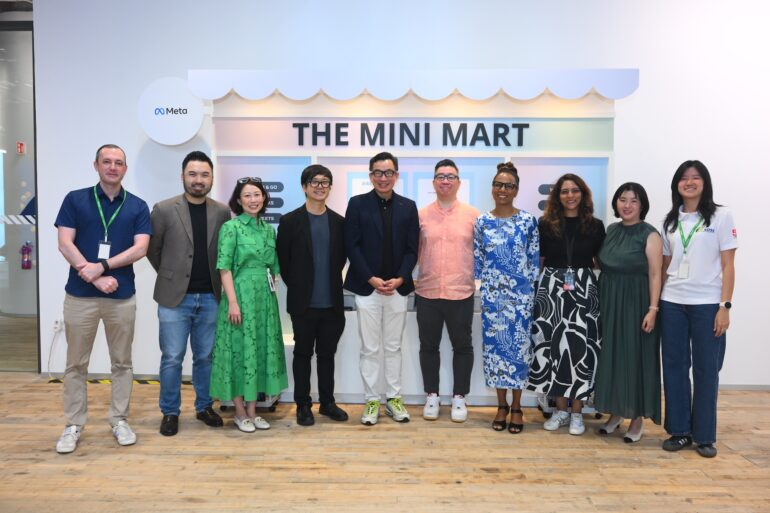
Meta has showcased how its Ray-Ban Meta and Oakley Meta glasses are being used to support greater independence among Singapore’s blind and low-vision community.
The session focused on how AI-enabled glasses can assist with practical everyday tasks such as reading labels, identifying objects and navigating unfamiliar spaces in real time.
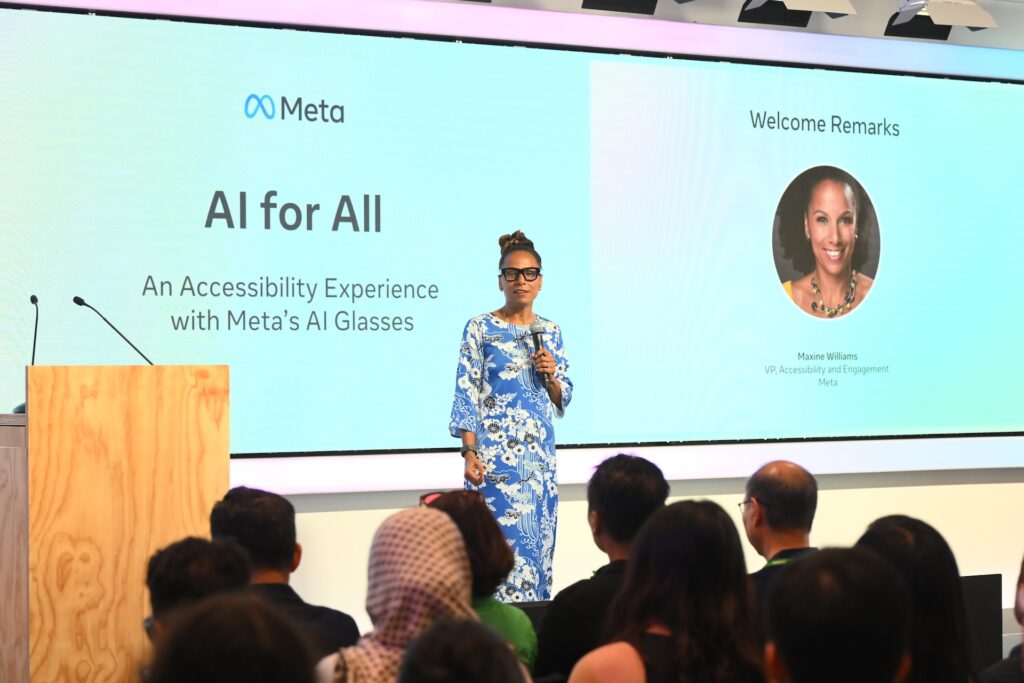
The event was opened by Maxine Williams, Vice President of Accessibility and Engagement at Meta, and attended by Eric Chua, Senior Parliamentary Secretary for the Ministry of Law and the Ministry of Social and Family Development.
“At Meta, we build accessible products alongside the people who use them. That’s why I’m here in Singapore, to listen, to learn from this community, and to take that feedback and co-design together.”
Maxine Williams, Vice President of Accessibility and Engagement at Meta
More than 100 attendees took part in a plenary session on inclusive innovation and the future of accessibility, before moving into demonstrations showing how the glasses can be applied in daily life.
The glasses, developed in partnership with EssilorLuxottica, were presented as assistive tools that can reduce friction in routine activities.

For users who are blind or have low vision, reading a label, understanding a room, or identifying what is directly ahead can require extra steps, or extra help. Meta’s pitch is that wearable AI can make some of those steps less cumbersome.
Meta also used the session to highlight a new set of accessibility-focused updates for the Ray-Ban Meta and Oakley Meta range.
These include the developer preview of the Meta Wearables Device Access Toolkit, which is intended to give third-party developers the resources to build applications for Meta’s AI glasses, including tools that may help people with disabilities manage daily life more independently.

“For many persons with disabilities, they are often ‘disabled’ not by their impairments, but by environments and infrastructure that were not designed with everyone in mind. What we saw today demonstrates how thoughtfully applied AI in product design can remove everyday barriers in practical and meaningful ways. These features can significantly impact and ‘enable’ the confidence, independence and participation of a wide range of users, including persons with disabilities.”
Kelly Fan, Executive Director of the Singapore Disability Sports Council
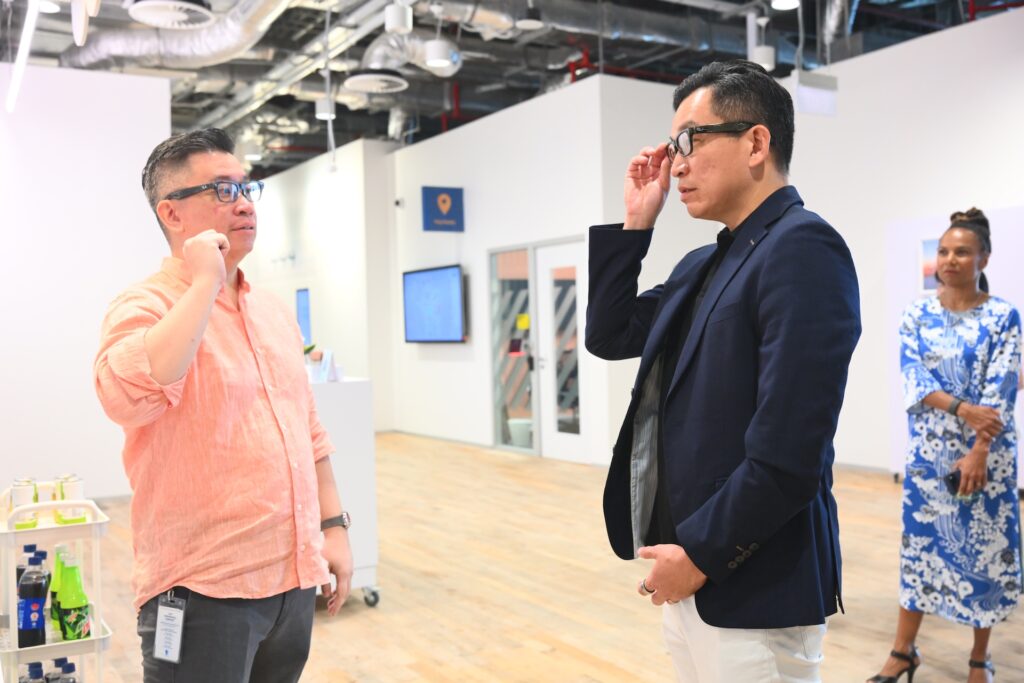
Unlike a phone, which must be held up or handled directly, smart glasses allow information to be accessed while leaving the user’s hands free for a cane, guide dog or other immediate tasks.
According to Meta, more than one billion people globally live with some form of disability, including 340 million who are blind or have low vision. The company says its AI glasses already provide features such as scene descriptions, live transcription and real-time translation through a lightweight wearable form.
Liked this? Check out more articles on Futr tech here.