Canon has fixed two of the original R8’s biggest shortcomings without turning it into a much bigger camera. Unfortunately, it has also made the R8 Mark II much more expensive.
The original Canon EOS R8 was an easy camera to like. It was small, light and gave you the same 24.2-megapixel full-frame sensor architecture as more expensive Canon bodies, without making your camera bag feel like gym equipment.
It also lacked in-body image stabilisation and an autofocus joystick. Both omissions were annoying enough that you always knew where Canon had saved the money.
The EOS R8 Mark II fixes both of those issues, and it fundamentally changes how complete the camera feels.
Still compact, now less compromised
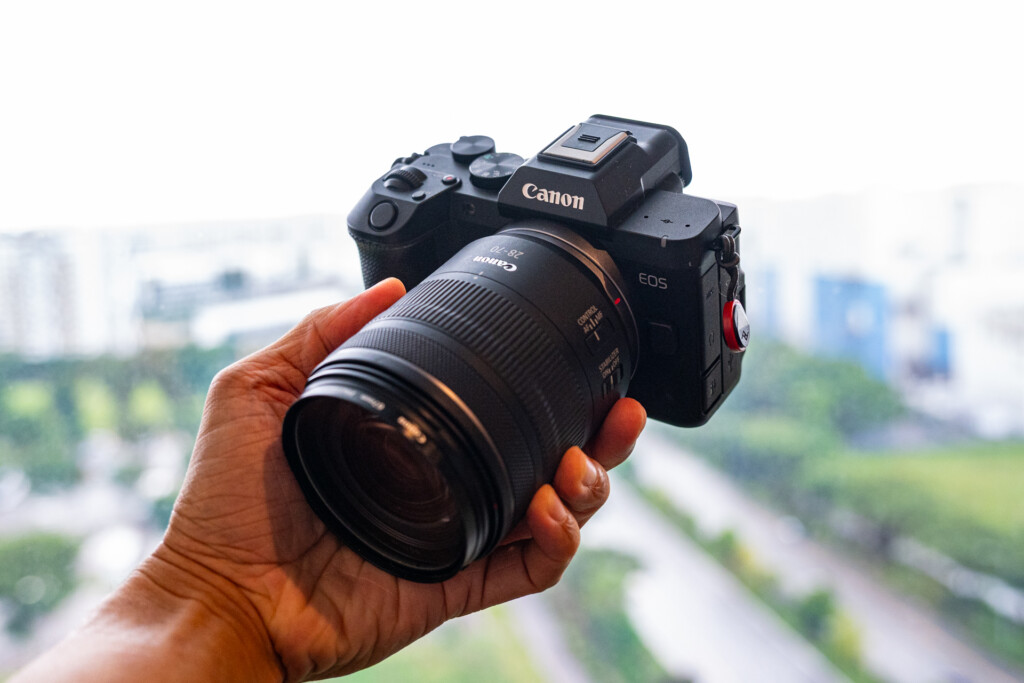
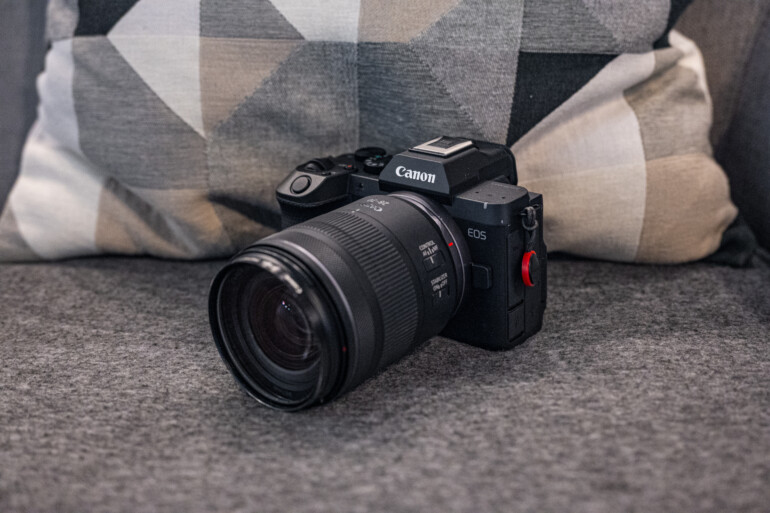
The R8 Mark II remains remarkably light for a full-frame camera. At 546g, it is heavier than its predecessor, but still comfortably lighter than many of its rivals. The body is compact, the grip is comfortable, and Canon has given it a cleaner, more angular design that looks distinctly more modern (although it is starting to look like another brand…).
The biggest improvement is the new five-axis in-body image stabilisation system, which Canon rates at up to 7.5 stops when paired with compatible lenses. This immediately makes the R8 II much easier to recommend for low-light photography and handheld video.
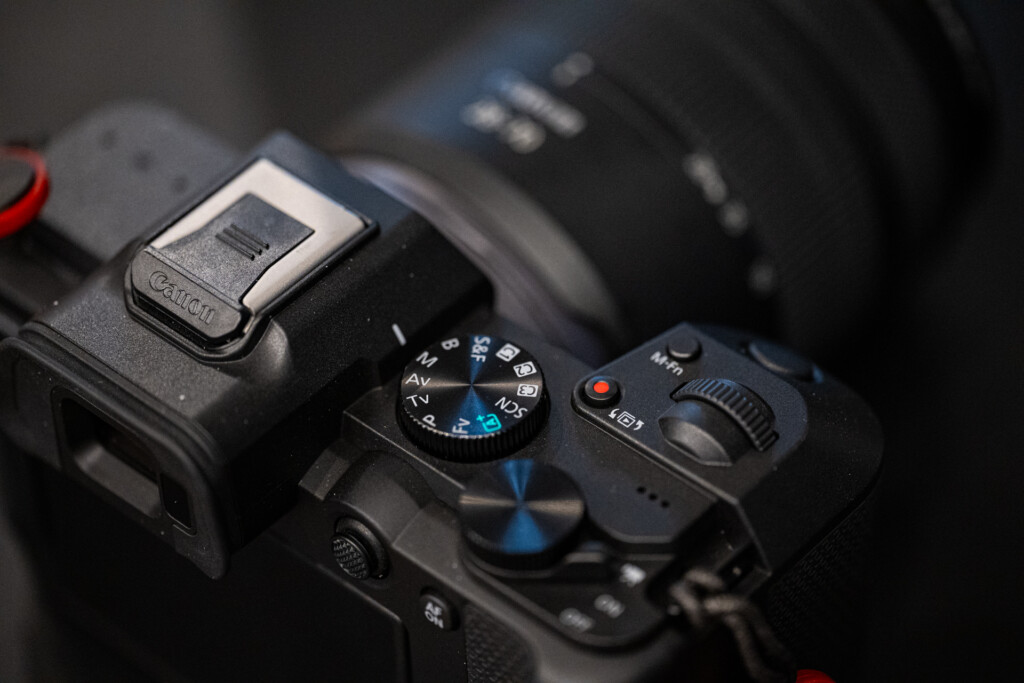
The other welcome addition is an autofocus joystick. Sometimes progress is simply adding the button that should have been there in the first place.
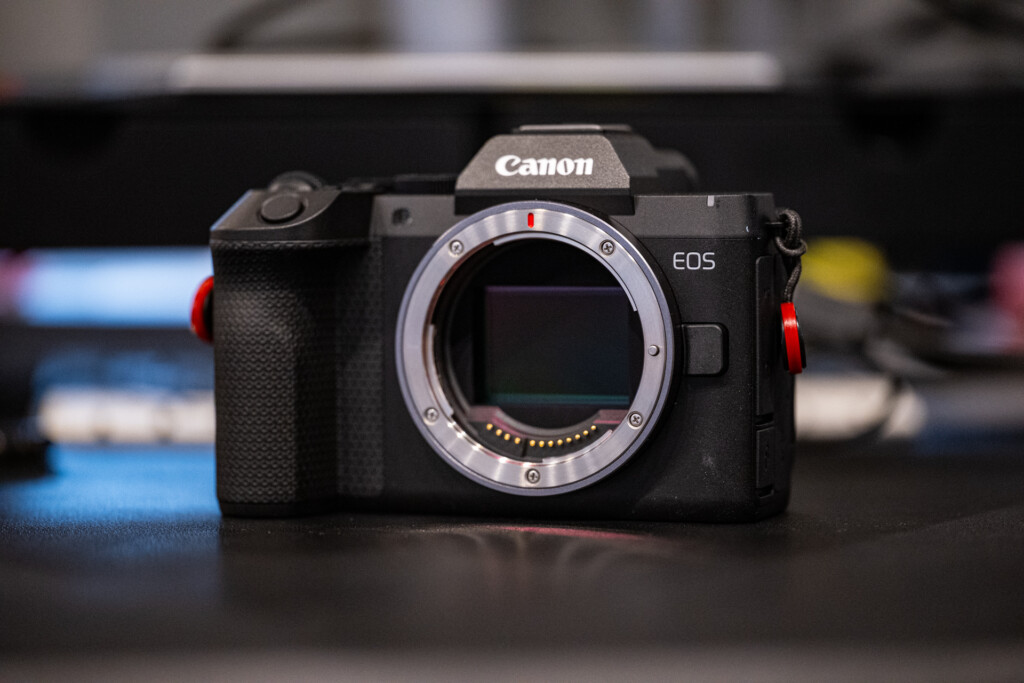
The R8 Mark II continues with a 24.2MP full-frame CMOS sensor and Canon’s DIGIC X processor. Image quality is therefore broadly similar to the old R8, which is no bad thing.
Photographs are detailed, noise remains well controlled at higher ISO settings and Canon’s JPEG colours continue to be pleasing straight out of camera.
The addition of IBIS arguably matters more than adding more megapixels would have.
Being able to shoot at slower shutter speeds without introducing camera shake gives you more flexibility in poor light, which is useful far more often than having another 10 million pixels to crop into.
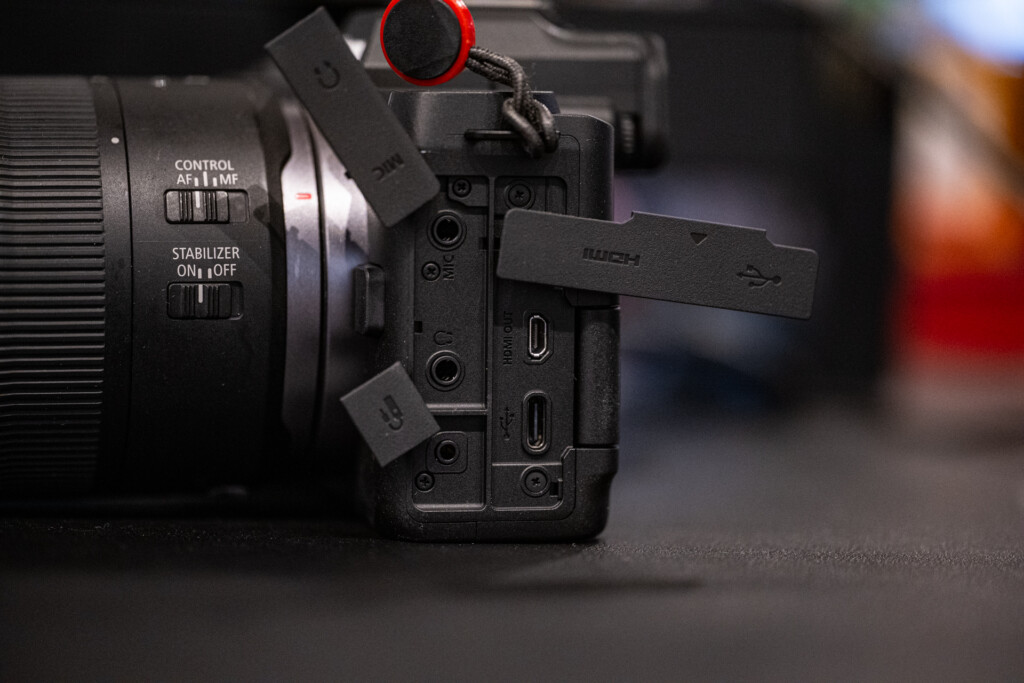
The R8 Mark II can shoot at up to 40 frames per second using its electronic shutter, while the mechanical system manages 6fps. Canon has also enlarged the buffer considerably, so high-speed shooting is more useful than before.
There is now half a second of pre-capture too, meaning the camera can save images from just before you fully press the shutter. This is useful for wildlife, sports or children, all of which share an unfortunate habit of doing interesting things precisely when you are not ready.
Autofocus remains one of the R8 II’s strengths. Canon’s Dual Pixel CMOS AF II system recognises people, animals and vehicles, while the camera can also prioritise registered faces. Tracking is fast, sticky and generally reliable, even with subjects wearing glasses.
For most users, you can point it at something, tell it roughly what you care about and let the camera handle the stressful part.
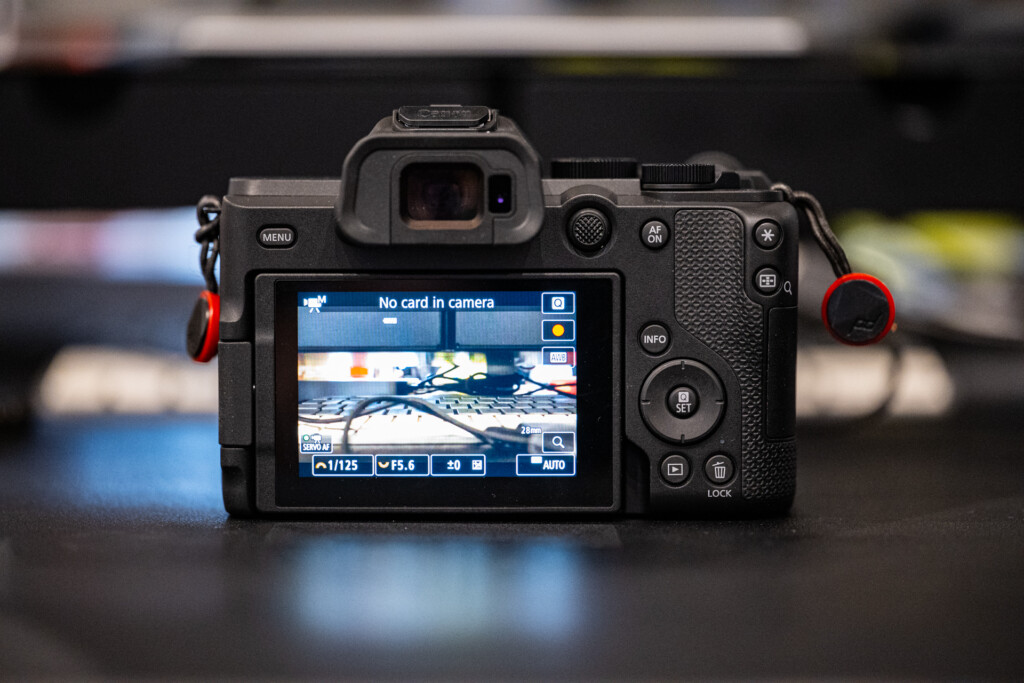
The R8 Mark II is also a very capable video camera.
It records full-width 4K at up to 60fps, oversampled from 6K, and supports Canon Log 3, HDR PQ and HLG, giving you sharp footage without the crop penalty some rivals impose at higher frame rates.
Canon has also added various easier-to-use video tools, including slow-and-fast recording modes, improved white-balance controls and a programmable defocus effect that can automatically pull the lens towards its minimum focusing distance.
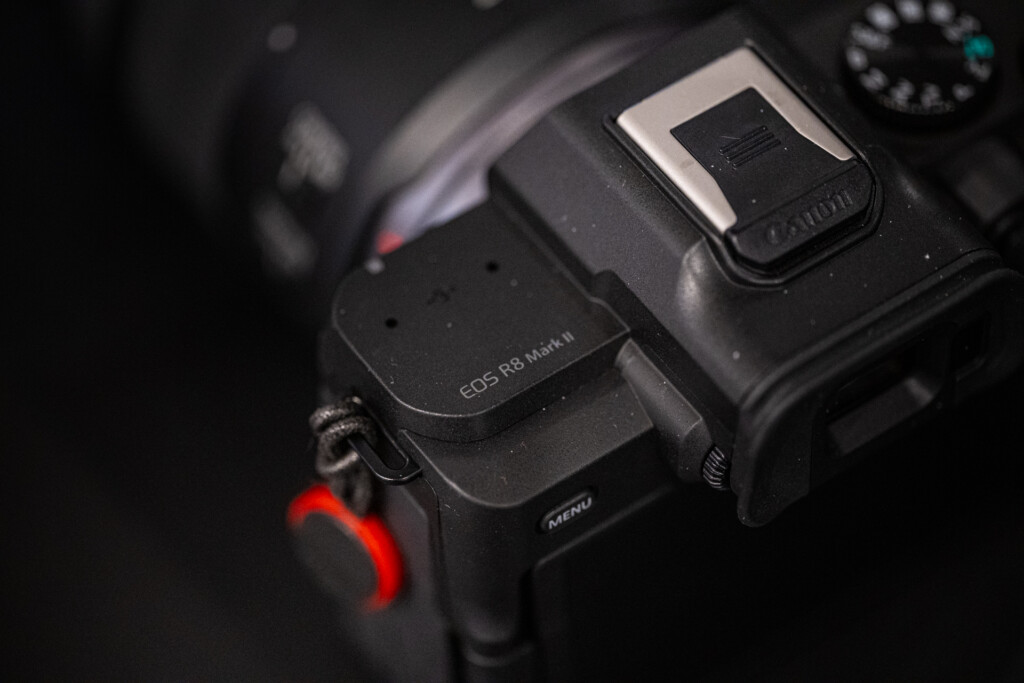
Unfortunately, arguably its biggest downside is the battery. Canon has retained the small LP-E17, with a CIPA rating of only 270 shots using the rear screen and 150 through the viewfinder.
Real-world numbers will generally be better, but this is still not a camera I would bring to a full day’s shoot without a spare battery.
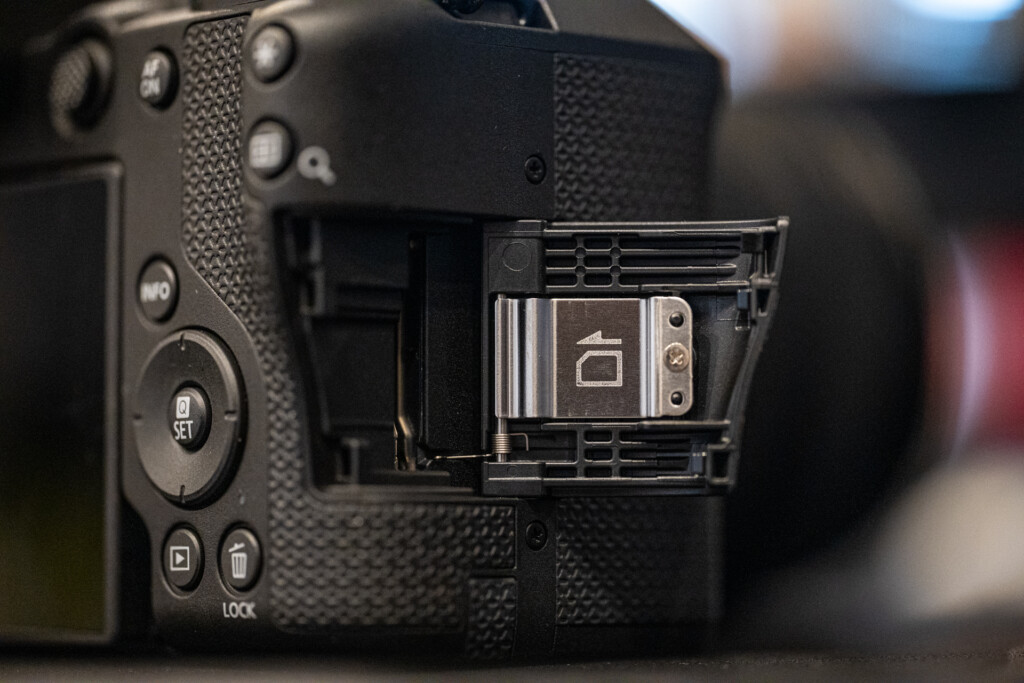
There is also only one UHS-II SD card slot, although it has sensibly been moved to the side of the camera instead of sharing space with the battery. Professionals who absolutely need redundant recording will therefore have to look further up Canon’s range.
The 2.36-million-dot electronic viewfinder is also unchanged. It is perfectly usable, but rivals such as Nikon offer larger and sharper displays around this price.
Should you buy one?
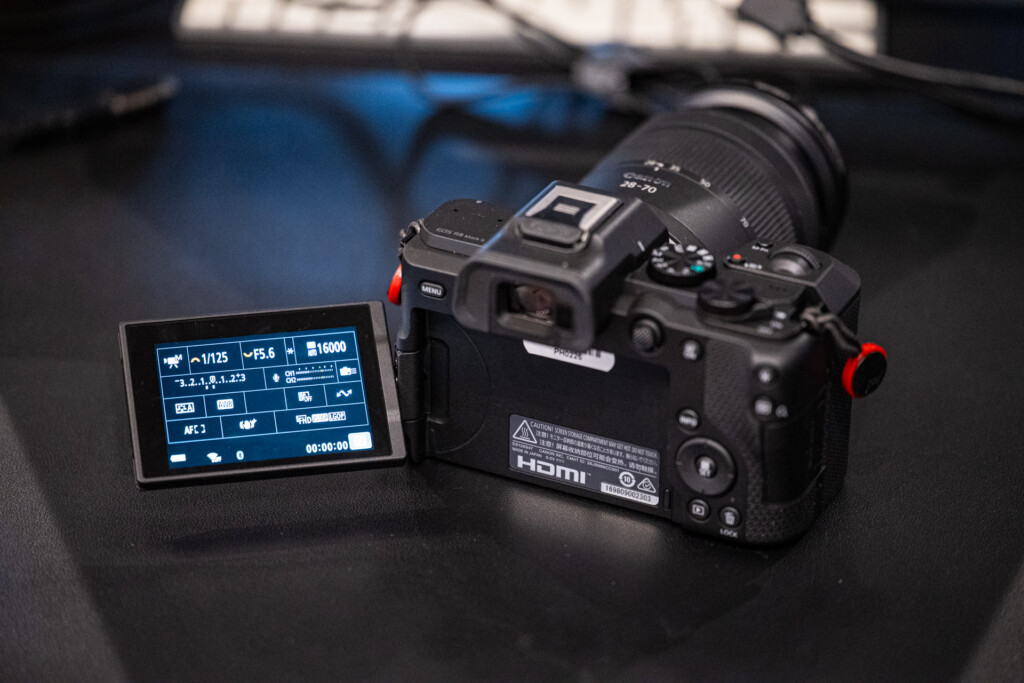
The EOS R8 Mark II has an official Singapore price of S$2,499 body-only, although most places are currently offering it at S$2,199. That is significantly more than the original R8, which remains on sale.
The Mark II is unquestionably the better camera, but its higher price also pushes it into much tougher territory.
Nikon’s Z5II offers twin card slots, a larger viewfinder and much better battery life, while Sony’s older A7 IV offers greater resolution and remains competitive at similar money.
The R8 Mark II therefore makes the most sense for someone who values portability above almost everything else. It gives you proper full-frame image quality, excellent autofocus, serious video capabilities and now, finally, in-body stabilisation in a camera that still feels unusually small.
Canon has essentially taken the R8 and fixed the things everyone complained about. The only problem is that it has also fixed the price.
Canon EOS R8 Mark II
Price: S$2,499 RRP / S$2,199 current Canon Singapore promotional price
Sensor: 24.2MP full-frame CMOS
Processor: DIGIC X
Image stabilisation: 5-axis IBIS, up to 7.5 stops with compatible lenses
Burst shooting: Up to 40fps electronic / 6fps mechanical
Video: 4K/60p oversampled from 6K
Autofocus: Dual Pixel CMOS AF II
Viewfinder: 2.36-million-dot OLED
Storage: Single UHS-II SD card slot
Battery: LP-E17
Weight: 546g
Liked this? Check out more articles on Futr tech here.