Recycling is easy enough to discuss in a classroom. The more difficult part is getting something to work once it leaves one.
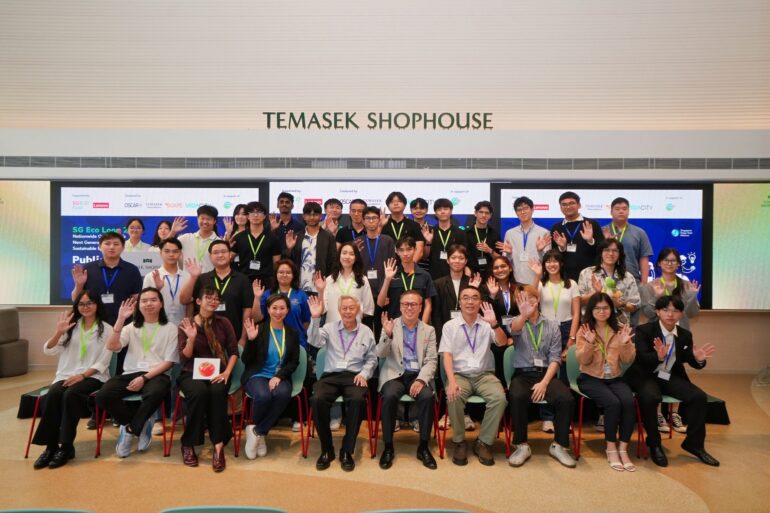
That was the challenge given to more than 120 students from 12 Institutes of Higher Learning under SG Eco Loop 2.0, a nationwide sustainability programme that concluded on 2 October after six weeks of prototyping, testing and dealing with actual waste.
Across 37 student teams, participants collectively diverted 892kg of food and plastic waste while developing solutions intended for use beyond the classroom.
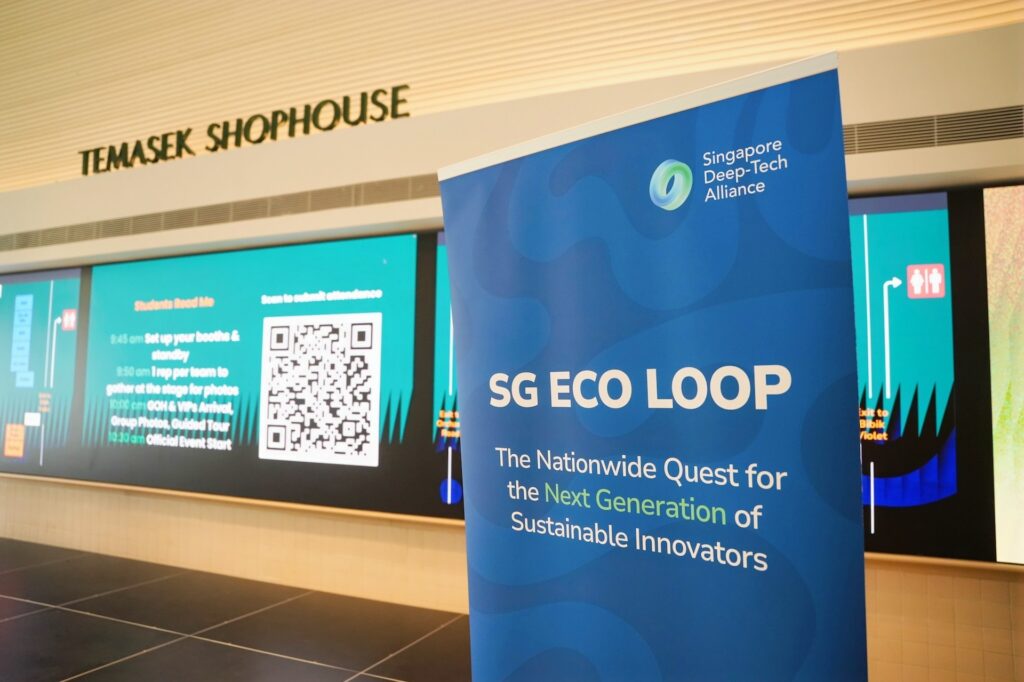
SG Eco Loop first began as a pilot in 2025 with 100 students from ITE College Central. That initial cohort developed 25 proof-of-concept ideas focused on plastic waste, with five teams eventually receiving funding to advance their concepts towards the prototype stage.
For 2026, the programme expanded considerably. Food waste was added alongside plastics, while 11 additional IHL partnerships were brought in across ITEs, polytechnics and universities. Each of the 37 teams received a S$200 prototyping budget and access to industry mentors as they moved from identifying a problem to building and testing a practical response to it.
Students go through a six-week programme covering a kickoff, hackathon, mentor check-ins and finally a public showcase.
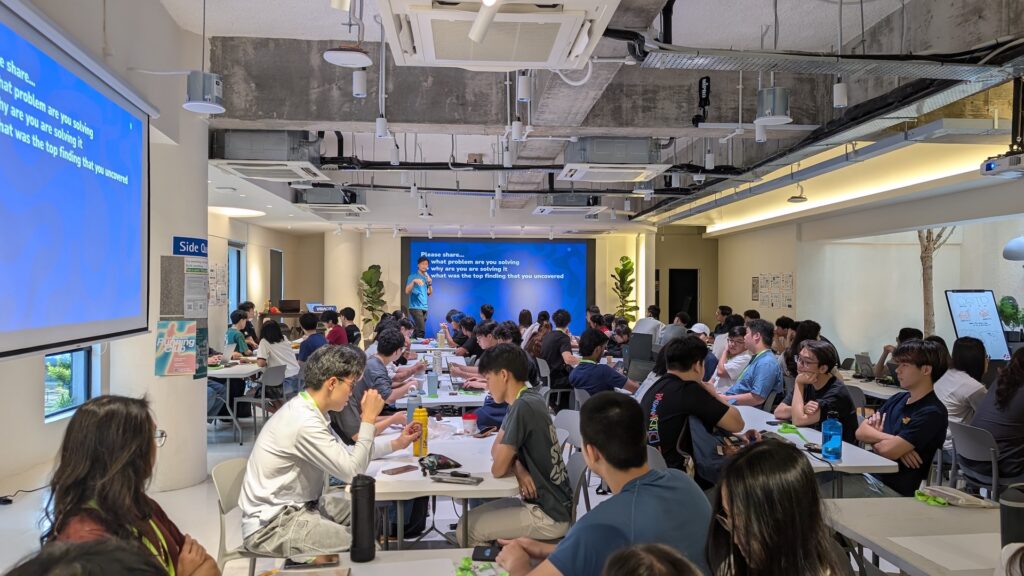
“For us, the value of SG Eco Loop lies in putting recycling into the hands of the people who live with the problem every day. Our nation’s recycling target cannot be met by business and market-led innovation alone. It needs grassroots solutions, and many residents want to help but don’t yet see how recycling works in reality.”
Clara Chen, Director of SDTA
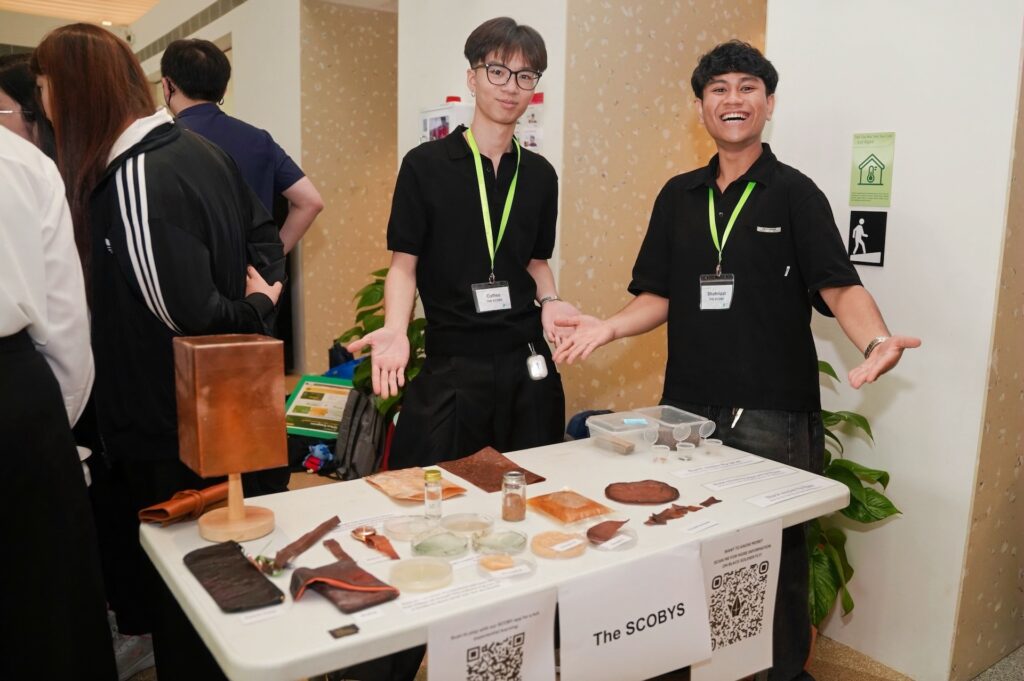
The Biggest Impact prize went to Team SCOBYS, which developed two food-waste solutions.
One turns waste from kombucha production into a functional biomaterial. The other uses black soldier fly larvae to convert organic waste into useful outputs, including nutrient-rich frass for soil amendment and protein-rich material suitable as an aquaculture feed ingredient. Across the programme, Team SCOBYS alone diverted 420kg of waste, nearly half of the entire cohort’s 892kg total.
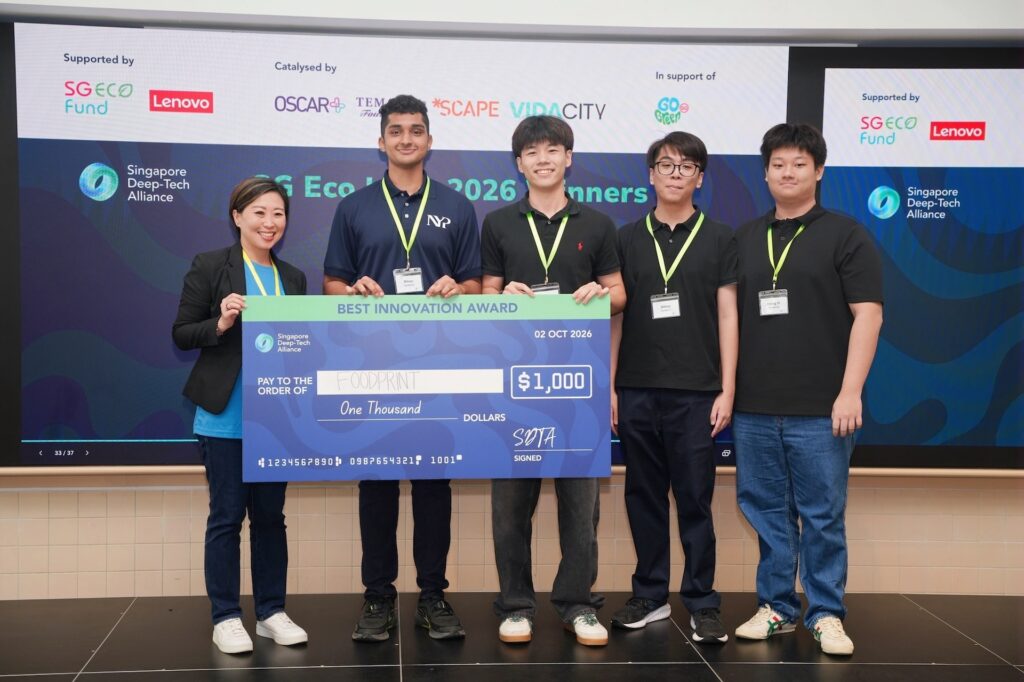
The Best Innovation prize, meanwhile, went to Team Foodprint for developing an automated return kiosk intended for hot vending machines used by polytechnic students.
Both teams received S$1,000 cash prizes and are eligible for up to six months of post-programme support to further deploy their solutions in community and industry environments.
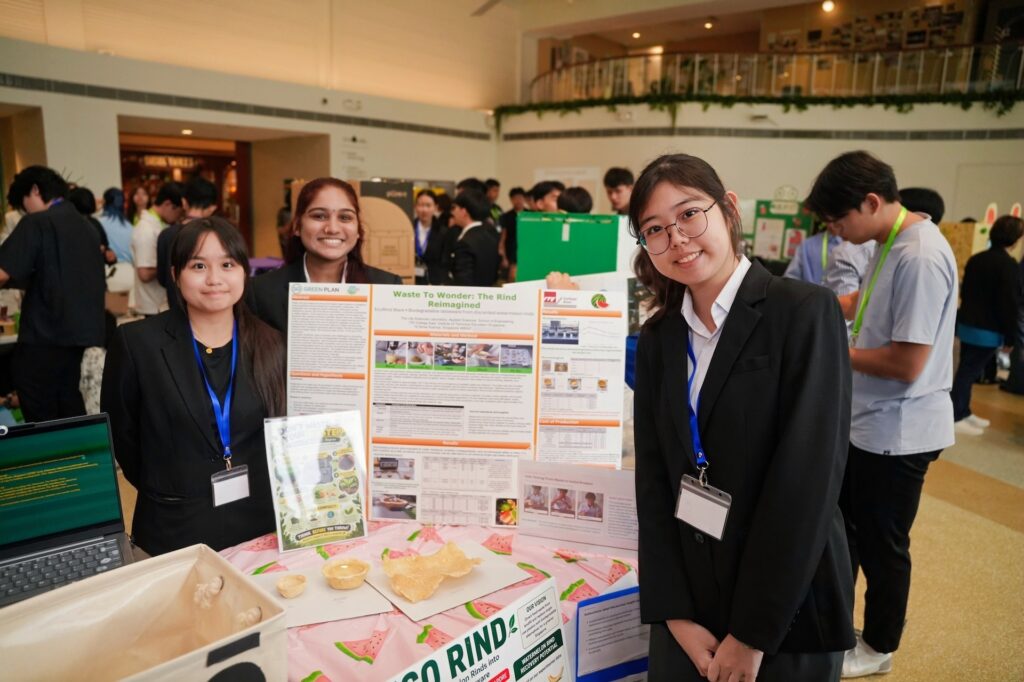
The programme also appears to have shifted how participants viewed sustainability itself. Nearly 59 per cent of students said they intended to continue working on their developed solution in some capacity after SG Eco Loop 2.0.
Another 70 per cent finished the programme more interested in pursuing sustainability-related careers or education than when they began, while 87 per cent reported gaining new practical skills.
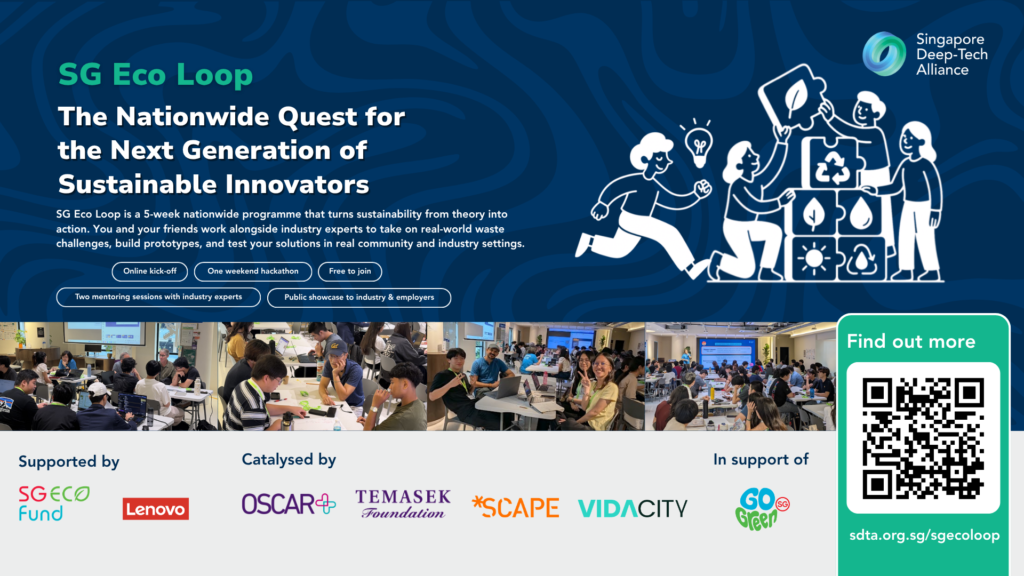
Applications for the next SG Eco Loop cohort are already open, and while 892kg is impressive, it remains a relatively small figure beside Singapore’s wider waste streams.
But, SG Eco Loop is built around the idea that meaningful sustainability work does not always begin with a giant facility, a multinational company or a particularly impressive piece of machinery.
Sometimes, it begins with 37 groups of students, S$200 each, six weeks and a problem sitting directly in front of them.
Check out more news articles on Futr here!