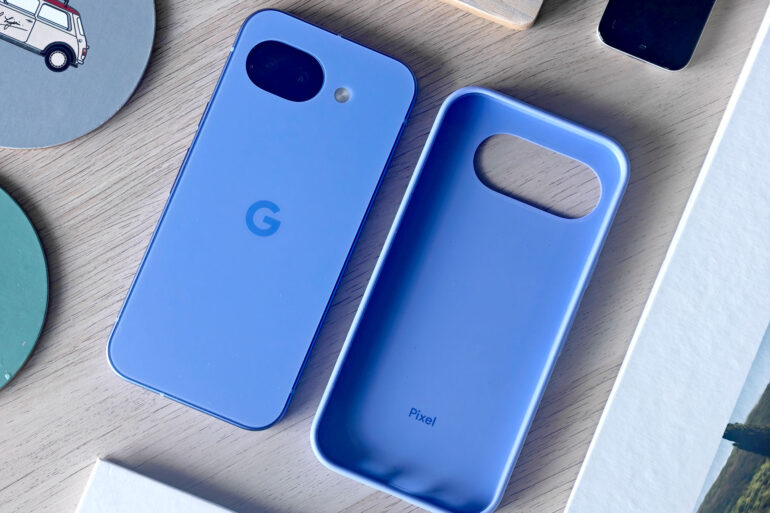
After a few months of daily use, the new Google Pixel 10a has proven to be quite the interesting mid-range phone that Google has produced.
It’s very similar to the Google Pixel 9a that came before it, with the exception of a few incremental updates to (slightly) bring better value for money:
The Google Pixel 10a has Gorilla Glass 7i (coming from Gorilla Glass 3), 30W wired charging (from 23W), 3,000 nits brightness (from 2,700), and Bluetooth 6.0 as part of its upgrades.
Design and Ergonomics: Pure, Flat Perfection
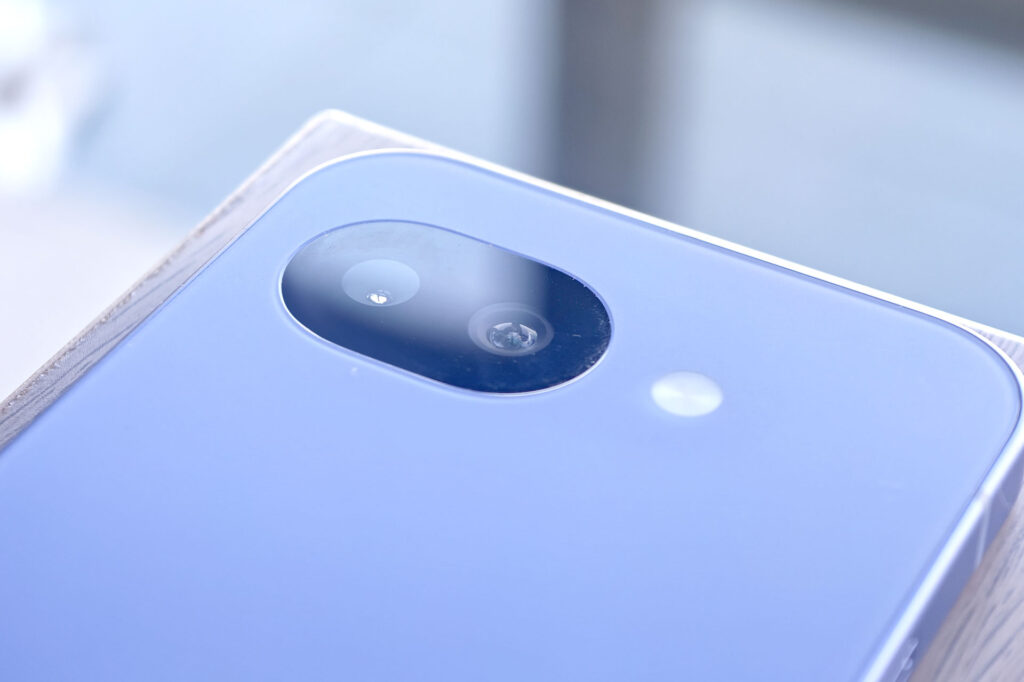
To me, the absolute best part of it is its physical design. With the exception of the Google Pixel 10a, all smartphones that have passed by my desk for review have always had camera bumps. It’s a pet peeve of mine, and I’ve been longing for phones to return to a flushed back design.
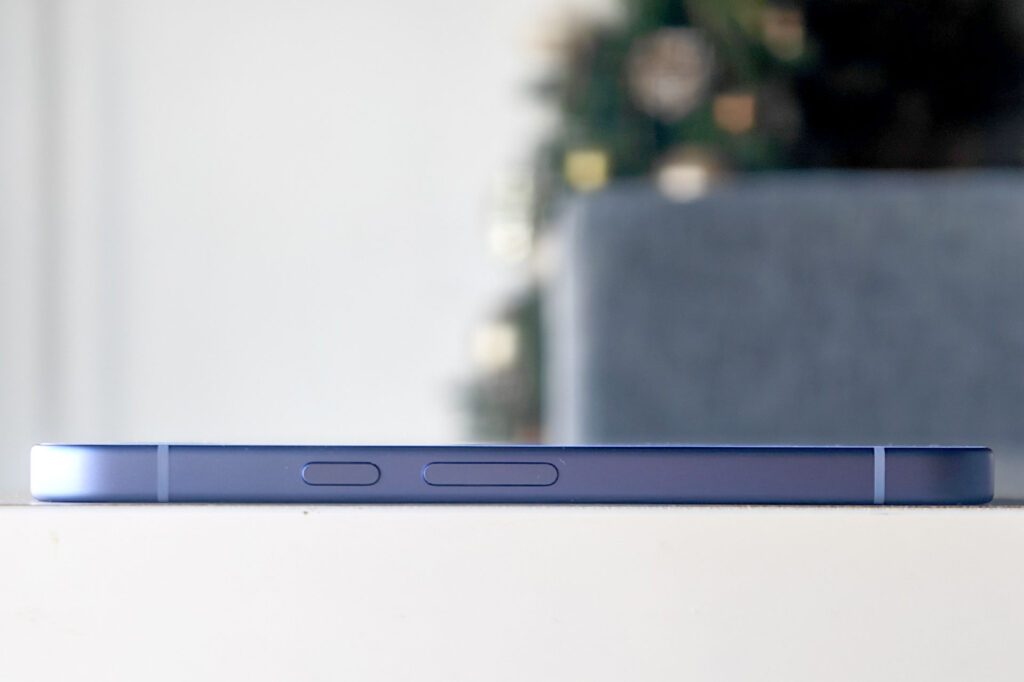
Especially now that Desktop Mode has become available to a lot of Android phones, having a wobbly phone as your trackpad makes the experience feel weird. Yes, some phone casings may eliminate the camera bump, but it’s nice to know that you won’t even need one with the Google Pixel 10a because its two camera lenses sit flush.
Combined with the satiny aluminium frame and comfortably rounded corners, holding the Pixel 10a feels incredibly natural. It’s almost like you’re holding just a solid, uninterrupted piece of glass and metal.
Daily Use and AI Performance
My experience with the 10a is very similar to my short time with the Google Pixel 10 some months ago. As of writing, the Google Pixel 10a can run a myriad of AI functions without skipping a beat, despite having the Tensor G4 and 8GB RAM compared to the flagship’s Tensor G5 and 12GB RAM.
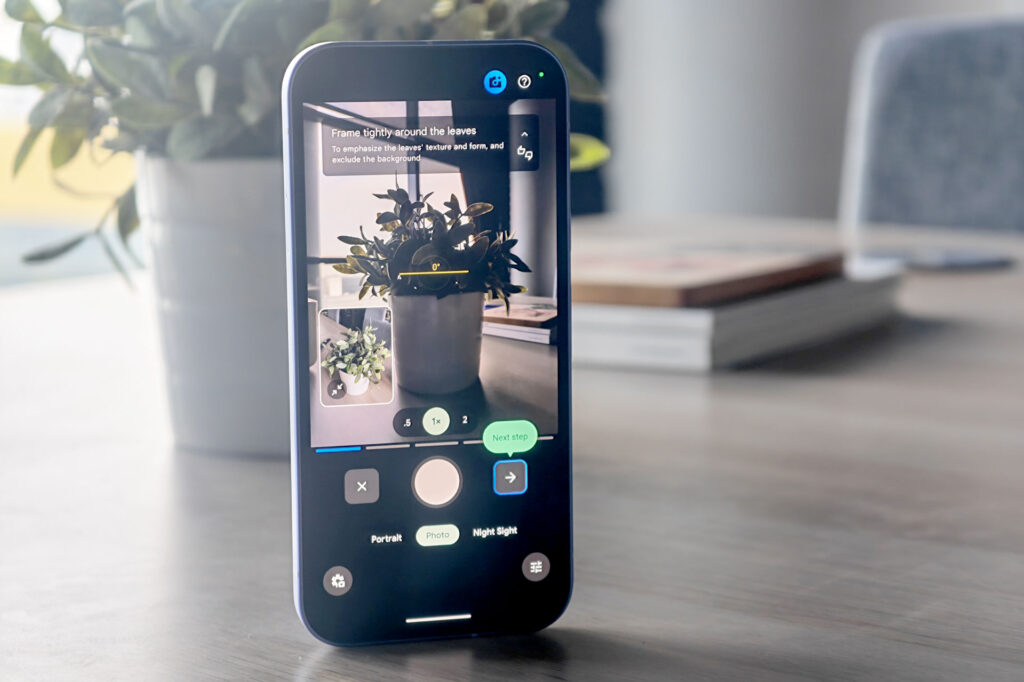
Similar to the flagship model, the AI features are easily available yet discreetly integrated into the OS.
- Camera Coach is still a nice feature for budding photographers.
- Conversational photo editing is interesting, allowing quick voice-command tweaks.
- Add Me is impressive, though it remains a bit nuanced in real-world applications.
The Pros
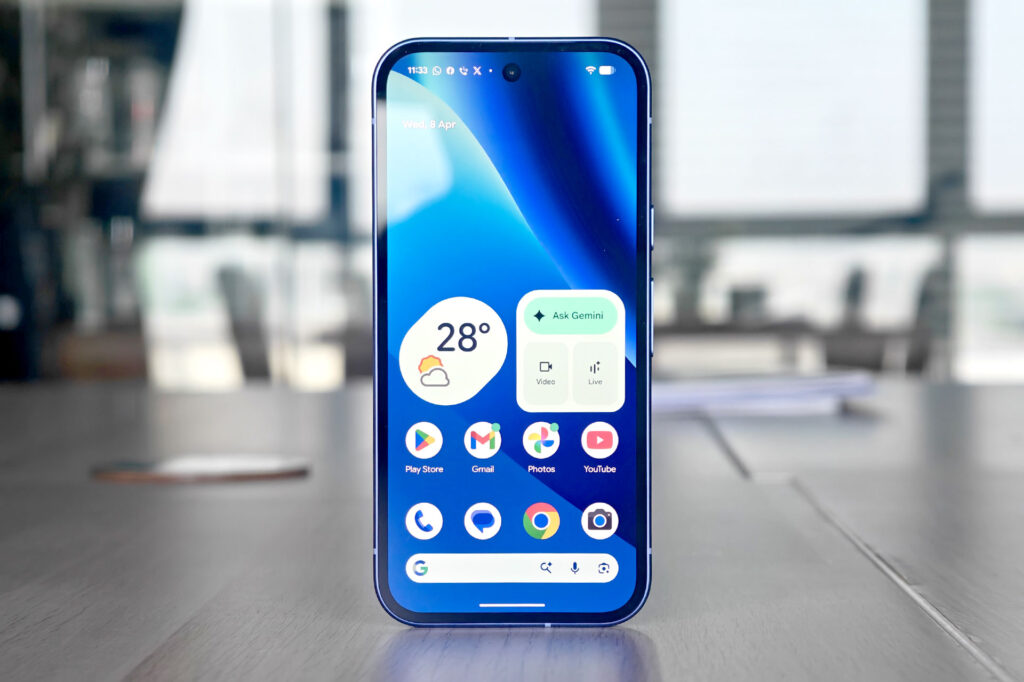
- Superb Actua Display: The 6.3-inch pOLED screen is a major upgrade. With a peak brightness of 3,000 nits, it’s incredibly easy to read outdoors in direct sunlight.
- Exceptional Battery Life: Thanks to the massive 5,100 mAh cell and the power-efficient processor, this phone easily stretches into a second day of heavy use.
- Long-Term Support: Getting a full seven years of OS, security, and Feature Drop updates at this price point remains unmatched in the mid-range market.

The Cons
- Older Processor & RAM: Relying on the previous-generation Tensor G4 and just 8GB of RAM means it lacks the raw processing headroom of the standard Pixel 10 for future, heavier on-device tasks.
- Slow Charging: Despite the big battery, the wired charging speeds max out at a sluggish 30W.
- No Telephoto Lens: While the 48MP main camera is fantastic, the lack of an optical zoom lens limits you to digital cropping past 2x.
Verdict
If you are, like me, tired of camera bumps and fragile, top-heavy designs, and just want a reliable phone that happens to be good at handling AI tasks, then the Pixel 10a is a great contender.
It’s not the fastest phone out there, but it makes up for it with stellar ergonomics, making it the most sensible budget phone of the year.
Liked this? Check out more articles on Futr tech here.