
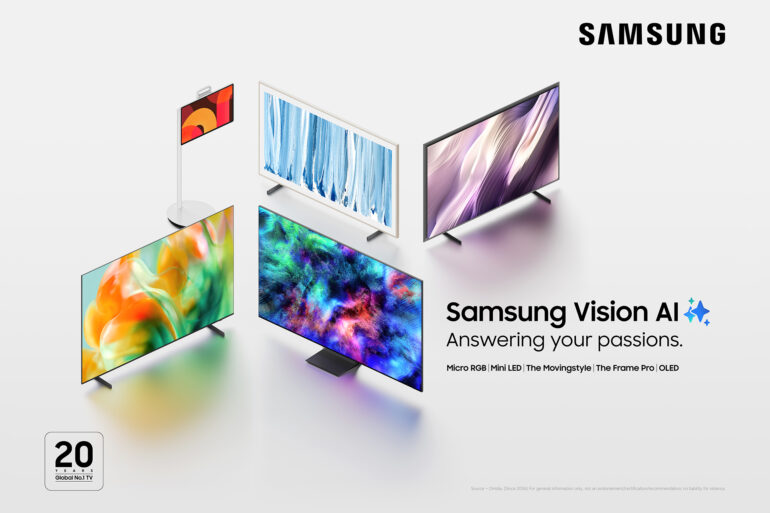
Samsung has unveiled its 2026 TV line-up, expanding AI-powered features across a wider range of models and screen sizes as it looks to push the television further into the role of a connected home entertainment hub.
The new range spans Micro RGB, OLED, Neo QLED, Mini LED, Crystal UHD and lifestyle models such as The Frame, with Samsung placing particular emphasis on its Vision AI Companion platform.
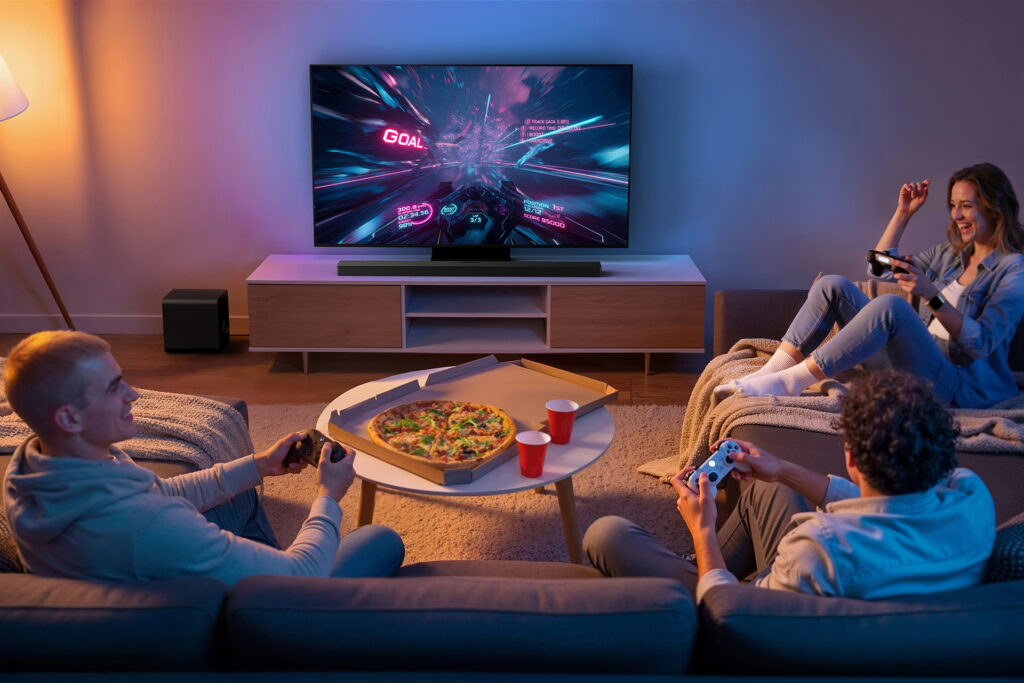
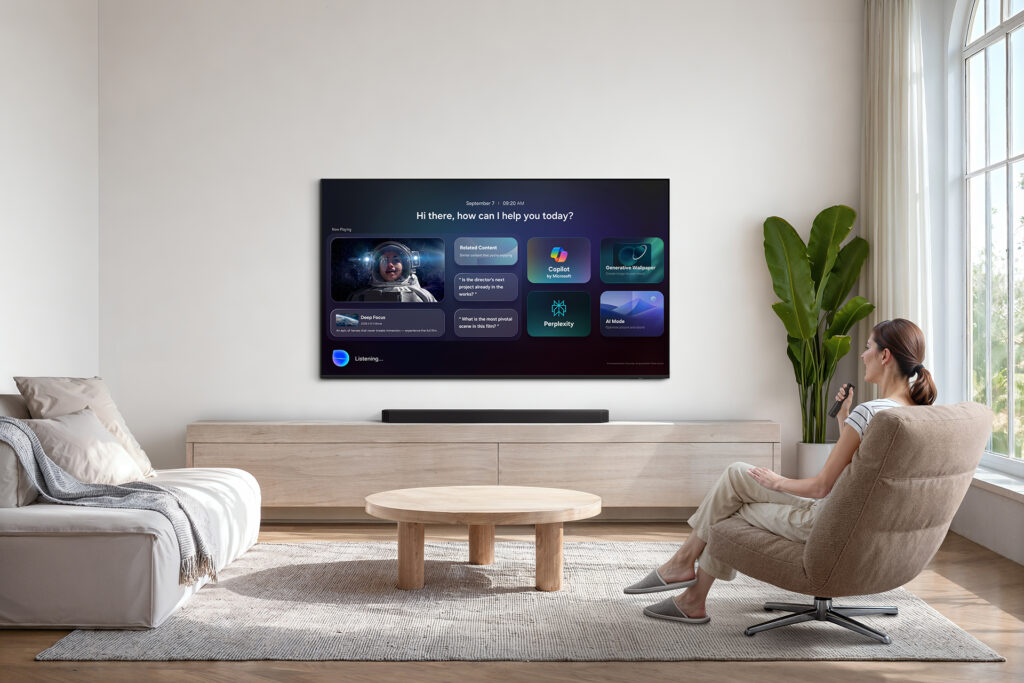
Vision AI Companion brings together Bixby, Perplexity and Microsoft Copilot within the TV interface to offer a more personalised viewing experience.
The system is designed to go beyond basic voice control, helping users search for what to watch, what to eat or what to listen to, while also extending into content-specific features such as AI Upscaling Pro, AI Football Mode Pro and AI Sound Controller Pro.
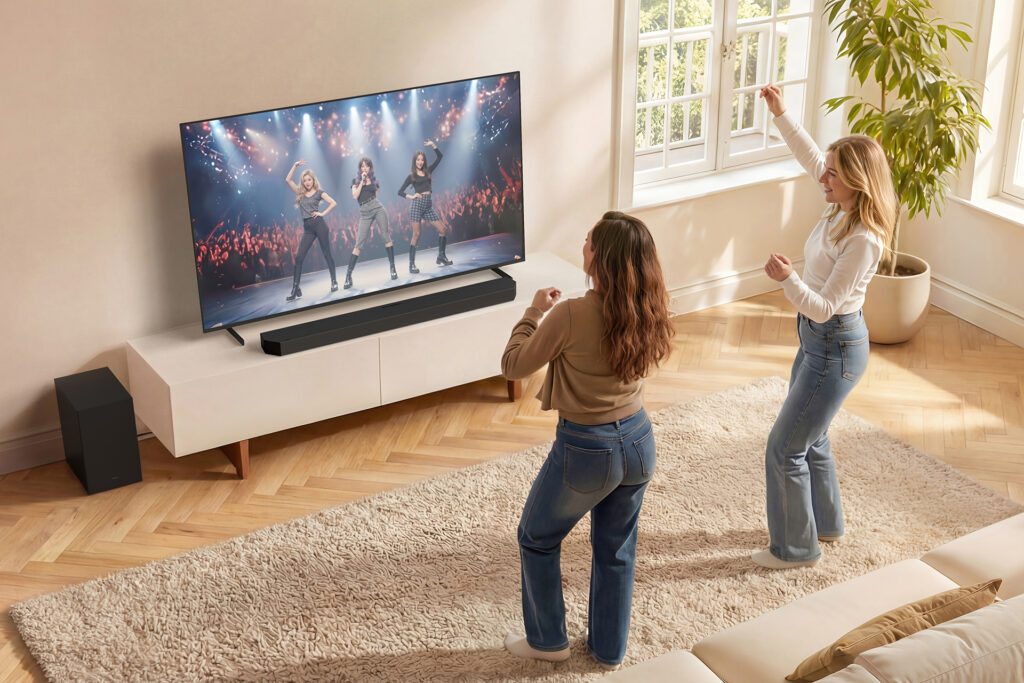
“As home entertainment evolves, consumers are looking beyond exceptional picture quality and sound. They seek a TV experience that resonates with their lifestyle and seamlessly integrates into their daily routines. With the expansion of Vision AI Companion across our AI TV line-up, Samsung is delivering a more intuitive and personalised experience, tailored to diverse interests such as entertainment, sports, gaming, and art. This redefines the Samsung TV as a smarter and more adaptive companion for our everyday life in Singapore.”
Patrick Khor, Head of Visual Display at Samsung Electronics Singapore

At the top of the range is Samsung’s Micro RGB category, represented by the R95H and R85H. Available in sizes from 55 to 115 inches, the series uses individually controlled red, green and blue micro LEDs to deliver high brightness, contrast and colour precision.
There is also Glare Free technology for improved visibility in bright rooms, along with AI-driven picture optimisation through the Micro RGB AI Engine Pro, Colour Booster Pro and HDR Pro.
The flagship R95H has also received Safety for Eyes and Circadian Rhythm Display certifications from Germany’s VDE testing institute.
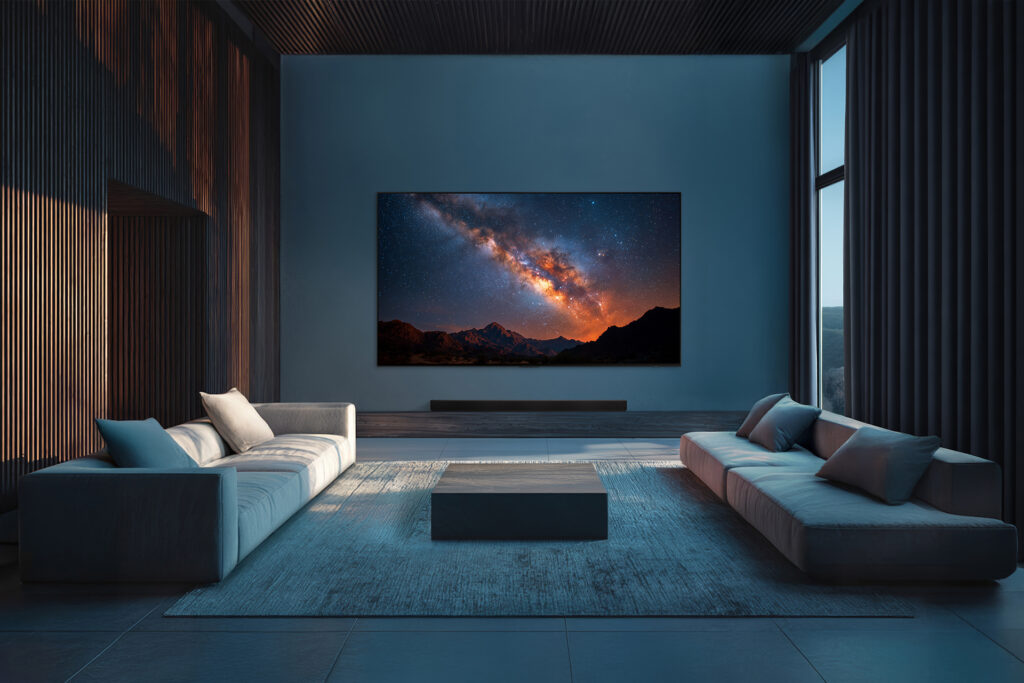
Samsung’s 2026 OLED range includes the S95H, S90H and S85H. The company is positioning these models around gaming, football and premium home viewing, with Glare Free technology available on the S95H and S90H.
The flagship S95H, due to launch later in 2026 in Singapore, adds features such as Pantone Validated ArtfulColor, Samsung Art Store support and FloatLayer Design, which Samsung says gives the set a lighter and more refined appearance within the home.
For gamers, the OLED range also includes Motion Xcelerator 165Hz, support for AMD FreeSync Premium Pro and NVIDIA G-SYNC Compatible, as well as dedicated gaming tools.
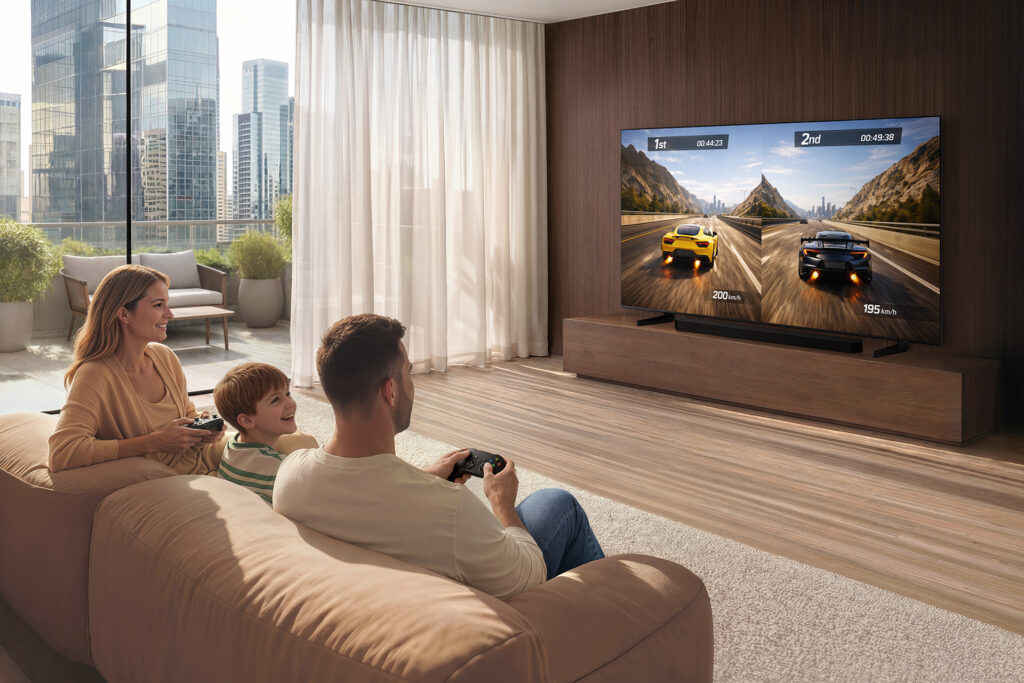
The Neo QLED line, represented here by the QN70H, is available in sizes from 55 to 85 inches and focuses on AI picture processing and connected viewing features.
Samsung says the model is certified by TÜV Rheinland as a Real QLED TV, using a blue light backlight and quantum dot sheet to maintain stable colour performance.
It also brings Vision AI Companion into the QLED range and supports 4K upscaling and gaming performance of up to 144Hz through the NQ4 AI Processor.
Mini LED remains a volume-driven part of Samsung’s line-up, but with a wider screen-size spread. The M90H, M75H and M1EH models are offered from 43 inches up to 100 inches, with Samsung highlighting Pure Spectrum Colour, Mini LED HDR, Motion Xcelerator and Adaptive Sound.

The lifestyle segment continues with The Frame and The Frame Pro. Samsung says The Frame Pro combines Neo QLED picture quality with Pantone Validated ArtfulColor and Glare Free technology, while maintaining a slim 24.9mm design depth and using Wireless One Connect for a cleaner setup.
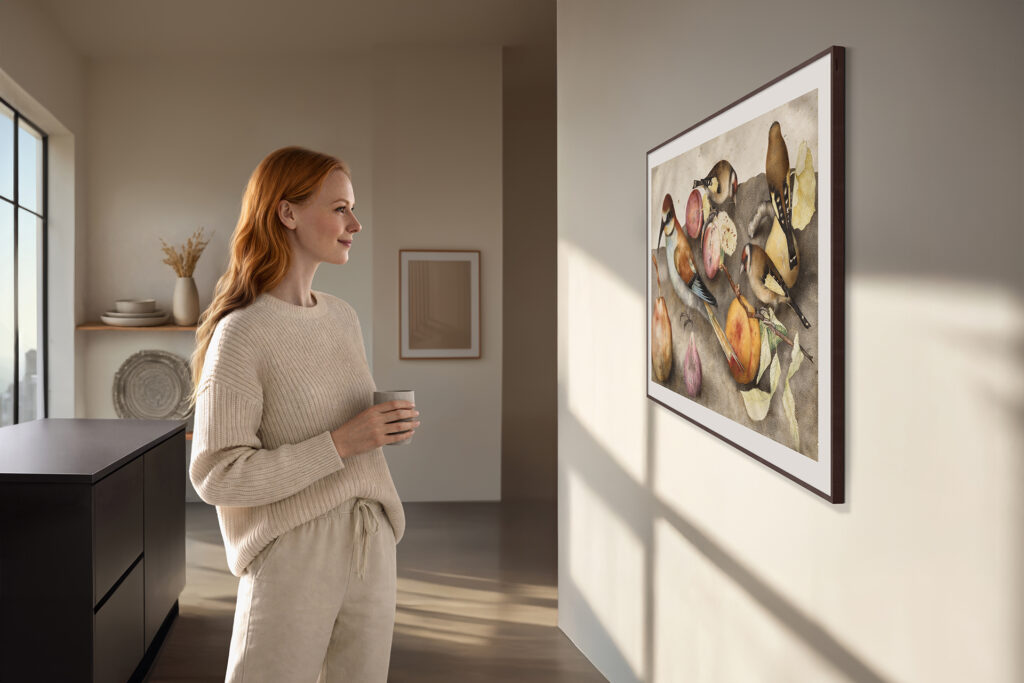
The standard The Frame gains a new 98-inch option, extending the model’s gallery-style concept into a much larger format. Samsung is also continuing to build out its Art Store, which now includes more than 5,000 curated works from institutions such as the Louvre, MoMA and National Gallery Singapore.
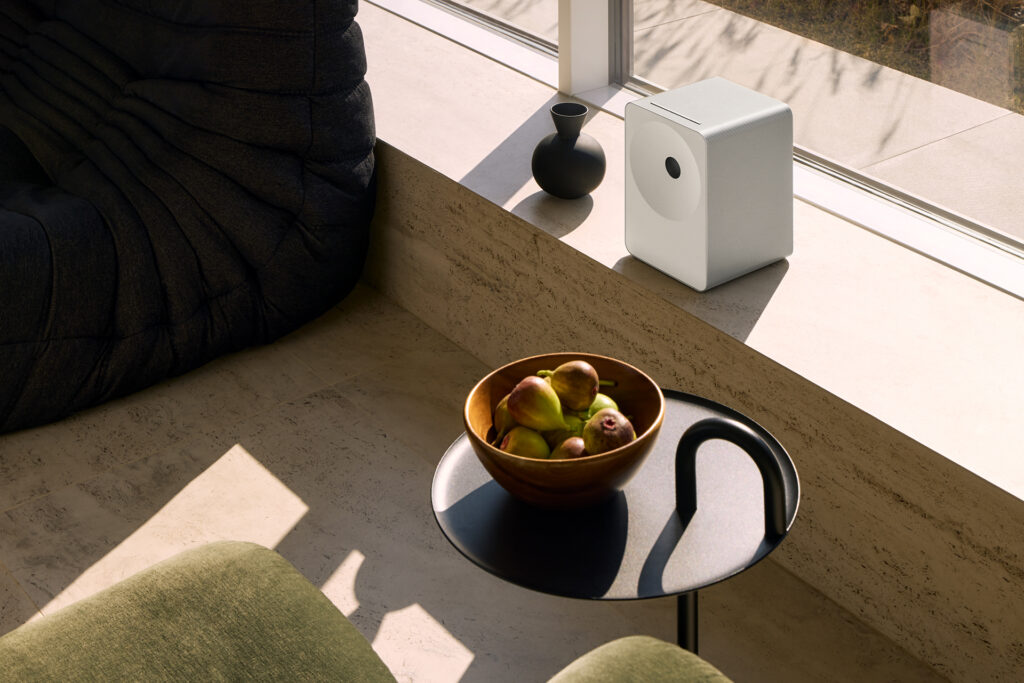
Samsung has also expanded its audio offering alongside the televisions. The Music Studio 7 follows the recent Music Studio 5 and delivers a 3.1.1-channel setup designed by Erwan Bouroullec, with support for Hi-Resolution Audio, Dolby Atmos, Q-Symphony, Wi-Fi and Bluetooth connectivity, Spotify Tap integration and Group Play for up to 10 speakers.
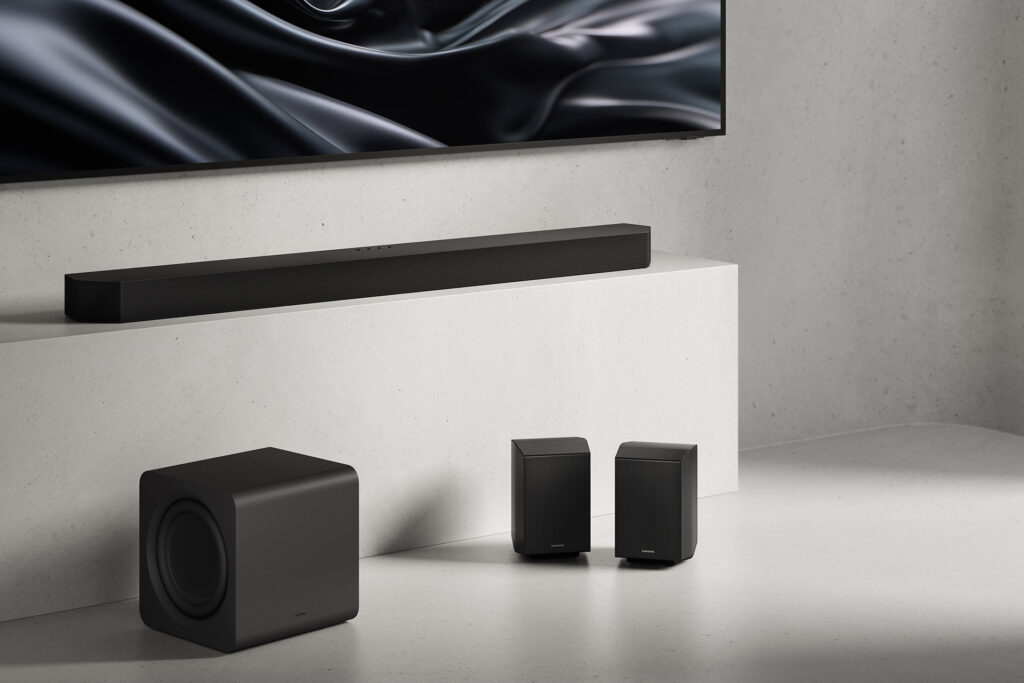
The Q-Series soundbars are here to stay, including the HW-Q990H, HW-Q930H, HW-QS90H, HW-Q800H and HW-Q600H. The flagship HW-Q990H offers an 11.1.4-channel configuration, Wireless Dolby Atmos, AI Dynamic Bass Control, SpaceFit Sound Pro and Adaptive Sound.
The HW-QS90H is positioned as the first all-in-one Samsung soundbar, using four built-in woofers instead of a separate subwoofer.
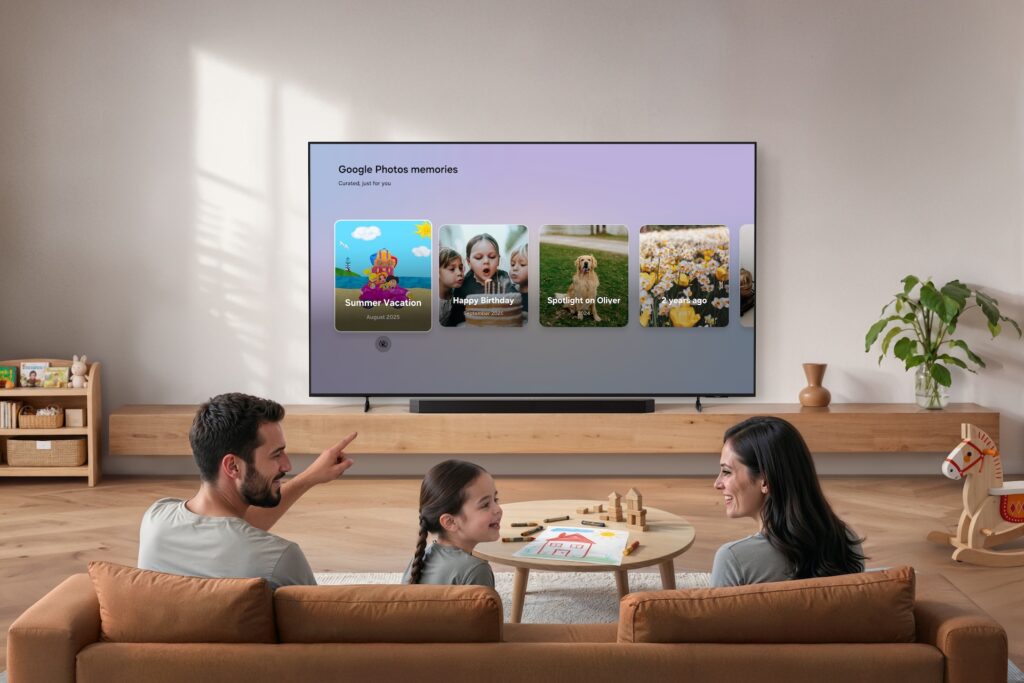
Beyond picture and sound, Samsung is also tying the new line-up more tightly into its broader software ecosystem.
Samsung TV Plus remains available without subscription, Google Cast support is being introduced on selected models, and Google Photos memories will appear on selected 2026 TVs through Samsung Daily+, Now Brief and the Google Photos app.
SmartThings integration continues to bring home device control and AI Energy Mode into the TV interface, while Samsung says the latest Tizen OS will receive up to seven years of upgrades. Samsung Knox Security is also included to monitor threats and protect sensitive data.

The 2026 line-up is now available in Singapore through the Samsung Online Store, Samsung Shop App, Samsung’s official stores on Lazada, Shopee and TikTok Shop, as well as selected consumer electronics retailers.
Liked this? Check out more articles on Futr tech here.