
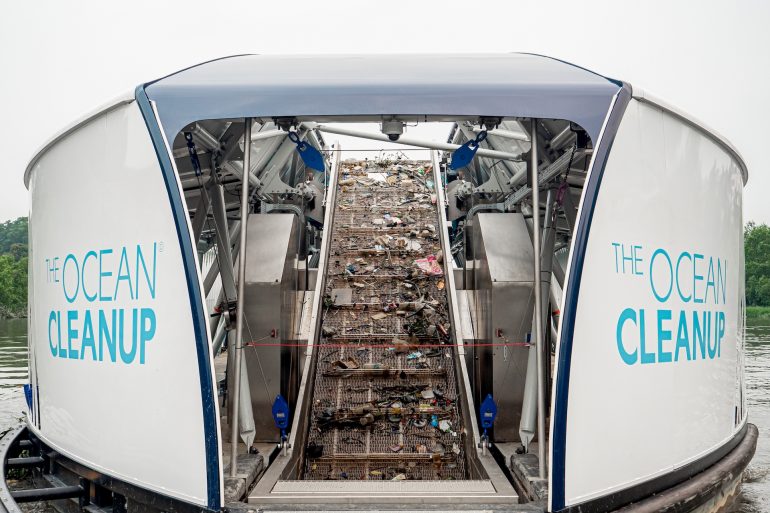
There are certain problems that do not politely stay within borders. Ocean plastic waste is one of them. It drifts, travels, circulates and, rather unhelpfully, arrives uninvited.
One moment it is discarded hundreds of kilometres away; the next, it is washing up on a local shoreline as though it had always belonged there.
Recent findings suggest that as much as 97 per cent of plastic waste found on Singapore’s recreational beaches originates offshore. It is a sobering statistic and a reminder that marine pollution is, at its heart, a shared regional challenge rather than a purely domestic one. Thus, Singapore has begun leaning more deliberately into its role as a convener of science, policy and capital.
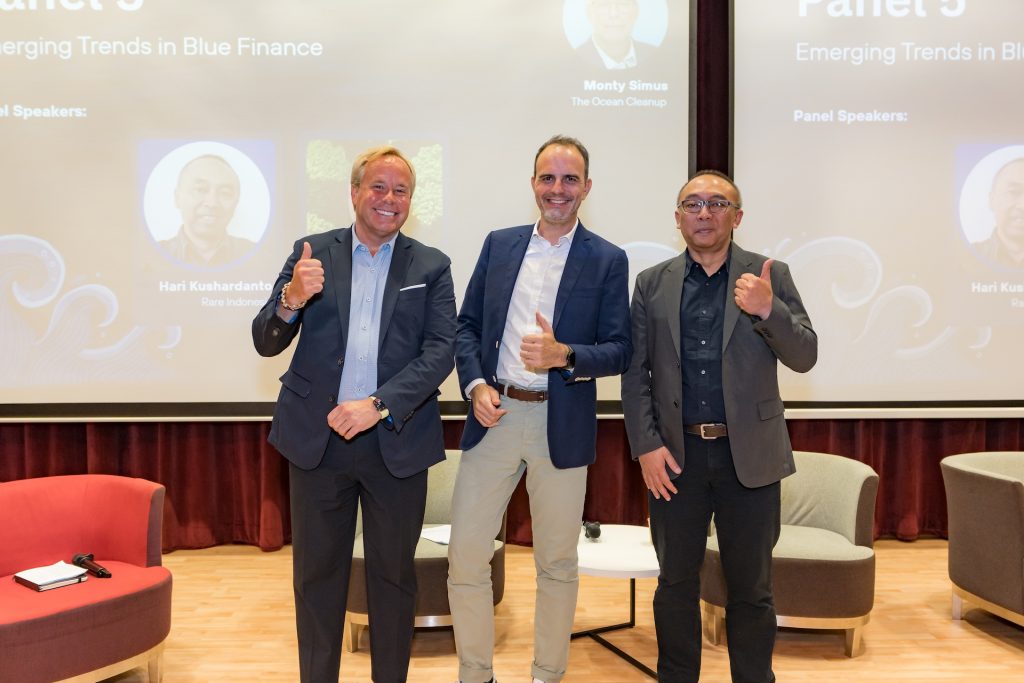
Earlier this year, the National University of Singapore’s Tropical Marine Science Institute (NUS TMSI) joined forces with international non-profit The Ocean Cleanup to host the inaugural Towards Healthy Oceans regional forum.
Held at NUS University Town, the gathering brought together researchers, policymakers, investors and private-sector stakeholders from across Southeast Asia, all with a singular aim: to translate concern into coordinated action.
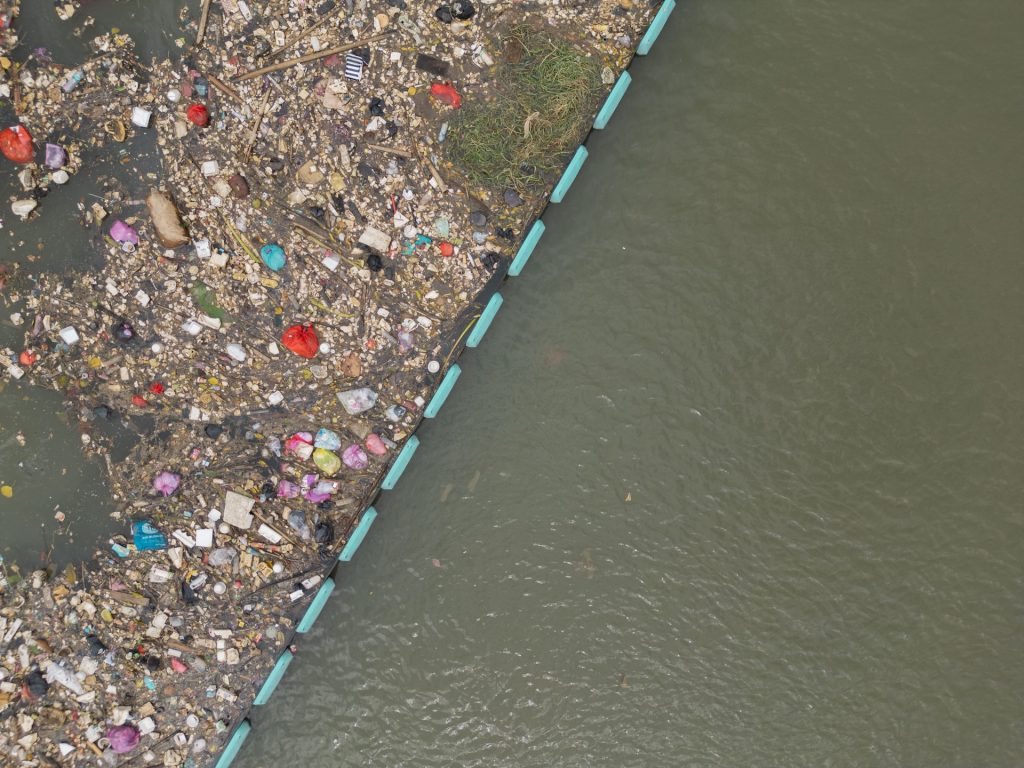
Southeast Asia sits squarely at the centre of the global plastics challenge. Modelling indicates that roughly 1,000 rivers are responsible for nearly 80 per cent of plastic entering the ocean, with many of the most heavily polluting waterways located in this region. Combine rapid urbanisation with industrial growth, and the result is a perfect storm of leakage into marine environments.
From a Singaporean perspective, the stakes are both ecological and practical. Microplastics have already been detected in marine life inhabiting mangroves, seagrasses and coral reefs, habitats that form the backbone of coastal biodiversity. If these ecosystems falter, the ripple effects are felt far beyond environmental circles.
Closing the tap before the tide rises

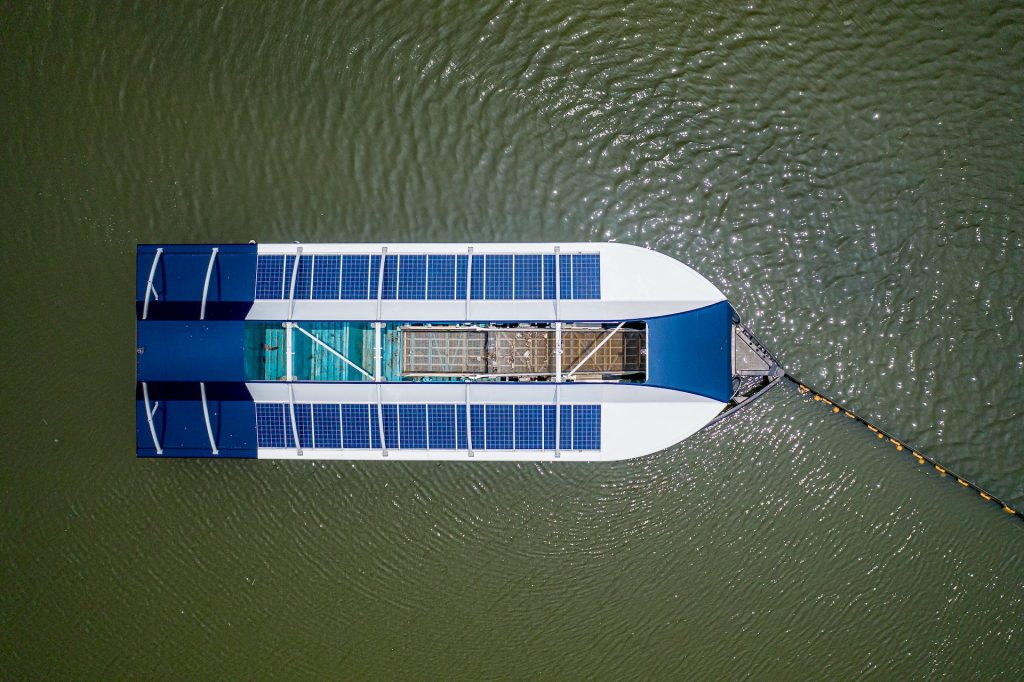
A central theme of the forum was The Ocean Cleanup’s “close the tap” strategy, intercepting plastic in rivers before it reaches the sea. Their data-driven Interceptor™ systems have already been deployed in cities such as Jakarta, Kuala Lumpur, Can Tho and Bangkok, collectively preventing more than 48 million kilograms of waste from entering the ocean.
The next phase of the organisation’s 30 Cities Program aims to scale deployments across Southeast Asia, targeting river basins that send plastic across borders. Beyond simply removing debris, these interventions have the potential to improve flood resilience and strengthen local waste management systems.
“Plastic pollution does not respect borders. Progress at scale only happens when science, policy, business and communities move forward together.”
Boyan Slat, Founder and CEO of The Ocean Cleanup
Science, partnerships and—inevitably—funding
If there is a single takeaway from the forum, it is that technical solutions alone are insufficient. The conversation repeatedly returned to three pillars: robust science, practical partnerships and viable financing structures.
On the scientific front, advances in modelling and AI-enabled monitoring are helping identify priority river catchments for intervention. Meanwhile, new memoranda of understanding were signed with organisations such as ICLEI – Local Governments for Sustainability and the Coral Triangle Initiative, signalling a push towards multi-level governance and cross-border collaboration.
Then there is the matter of money. Environmental ambition, while admirable, must ultimately be funded. Sessions explored how blended finance and corporate sustainability investments could unlock large-scale deployment of river and ocean protection initiatives.
From conference hall to coastline
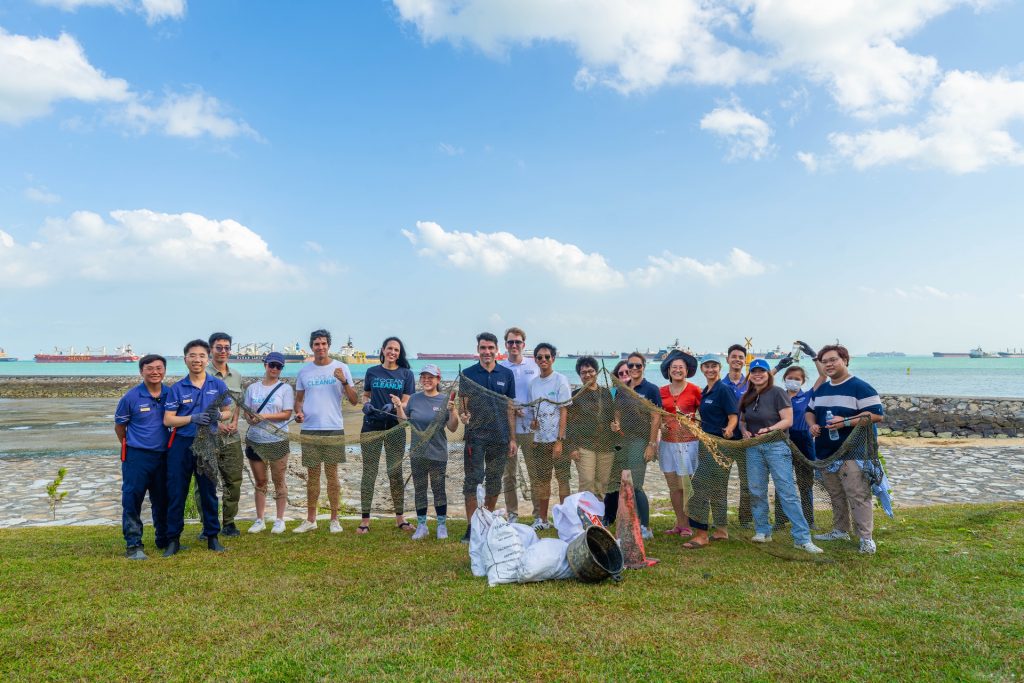
Perhaps the most telling moment came not during a keynote speech, but at the shoreline. A coastal clean-up at Marina East Breakwater gave forum participants a tangible reminder of what is at stake.
Institutions such as the Singapore Oceanarium have been instrumental in bridging that gap between high-level dialogue and community engagement, pairing research and education with practical conservation efforts.
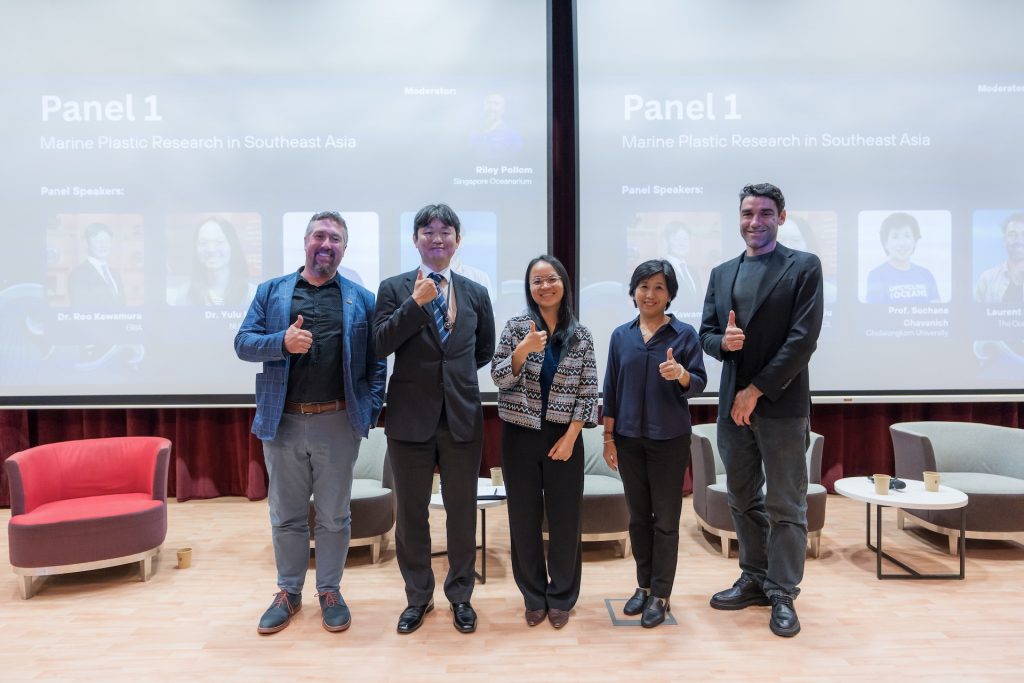
There is a certain optimism in seeing science, policy and finance align. Marine plastic pollution is not a problem that yields to quick fixes, nor does it respect the neat boundaries of national jurisdiction. But forums like this suggest a growing recognition that collaboration may be the most effective tool we have.
Check out more news articles on Futr here!