
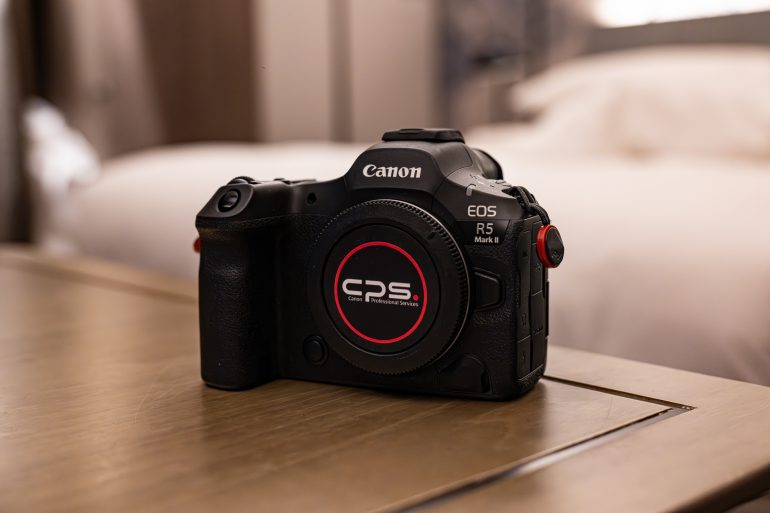
From an old-school journalist who once lugged DSLRs heavier than this, here’s why the Canon R5 Mark II is such a pleasant upgrade.
One of the earliest cameras I have used in my career is the legendary Canon 5D Mark II. It was the go-to camera for basically anything, and I pretty much used it till the shutter mechanism broke. Dust or snow didn’t hinder it one bit, and I longed for the chance where Canon makes a modern version.
It appears they have, with the new EOS R5 Mark II.
Initially, the 45-megapixel backside-illuminated (BSI) stacked full-frame sensor felt modest compared to the megapixel arms race. But then you scroll through the menu: DIGIC Accelerator paired with DIGIC X, and Canon’s Dual Pixel Intelligent AF.
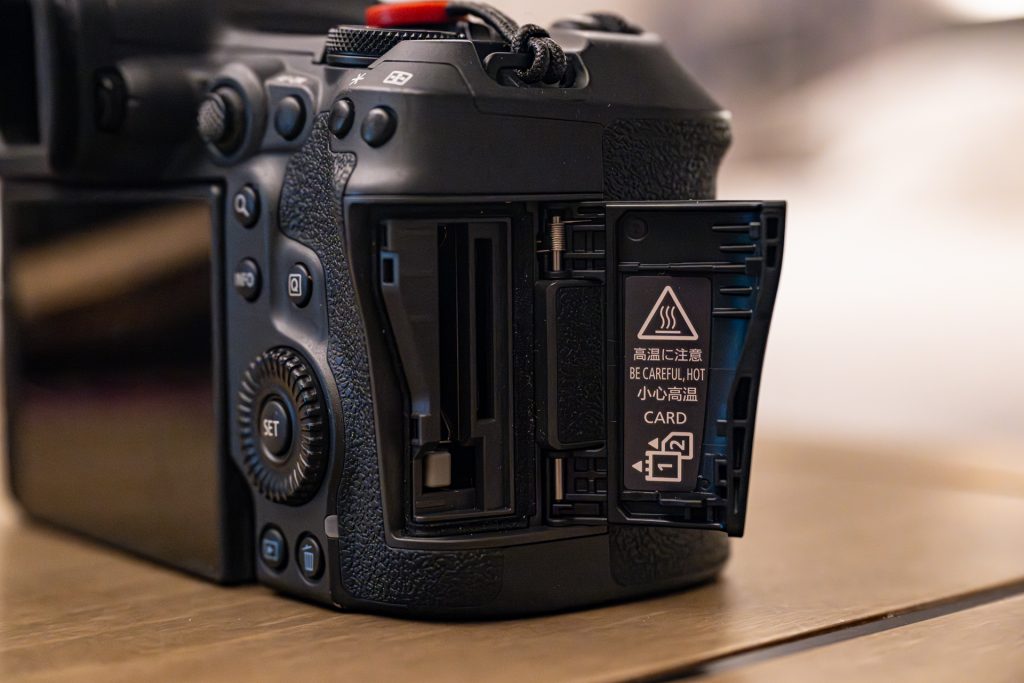
That resolution is one part speed, two parts processing edge. And at up to 30fps continuous shooting, it’s blisteringly fast. Even better, a CFexpress Type B card let me capture 80 full RAW frames in about 3 seconds. That’s dominance.
Autofocus with “I Know What You’re Doing” Intuition
Canon’s AF has long felt like it knew what you were framing even before you did. With Eye Control AF, your gaze alone can track the subject in the EVF.
But push the R5 Mark II into action zones and Action Priority AF detects specific sports movements, instantly prioritising the right trajectory. Combined with vehicle and animal focus detection, it’s a tracking system that feels relentless, not random.
More Filmmaker, Less Filmer
The R5 Mark II isn’t just for stills. Its 8K 60p RAW video recording, paired with XF-HEVC, ProRes RAW support, and dual-stream simultaneous output (4K + 17.8MP stills) makes it a convertible workhorse.
It offers video pre-recording up to 5 seconds, dual-channel 24-bit linear PCM audio, and even 100Mbps+ data throughput to match compressed, broadcast-ready 10-bit formats. For mixed-media shooters, it’s a Swiss Army knife made of aluminium.
Stabilisation & In-Camera Processing
At up to 8.5 stops of IBIS, all handled internally, shutter speed becomes a suggestion more than a necessity. I shot handheld in near-dark conditions, and the only soft spot were swaying people.
While sharpness stays strong through ISO 6400, beyond that, noise enters the frame. NNNR (Neural Network Noise Reduction) cleans it up, but can soften details.
Conversely, In-Camera Upscaling creates JPEG images up to 179MP, useful for large-format prints or cropping without compromise.
After Decades, It Still Feels… Familiar
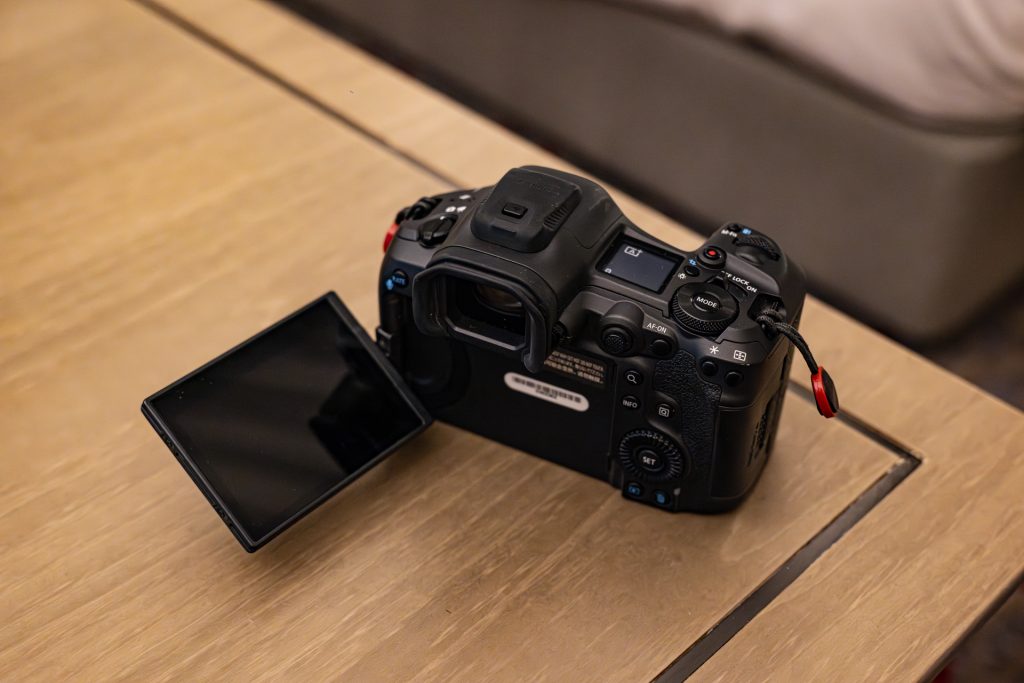
At 746g (battery + memory card), it’s effortlessly familiar to me. The magnesium alloy body is weather sealed, and the buttons are under silicone.
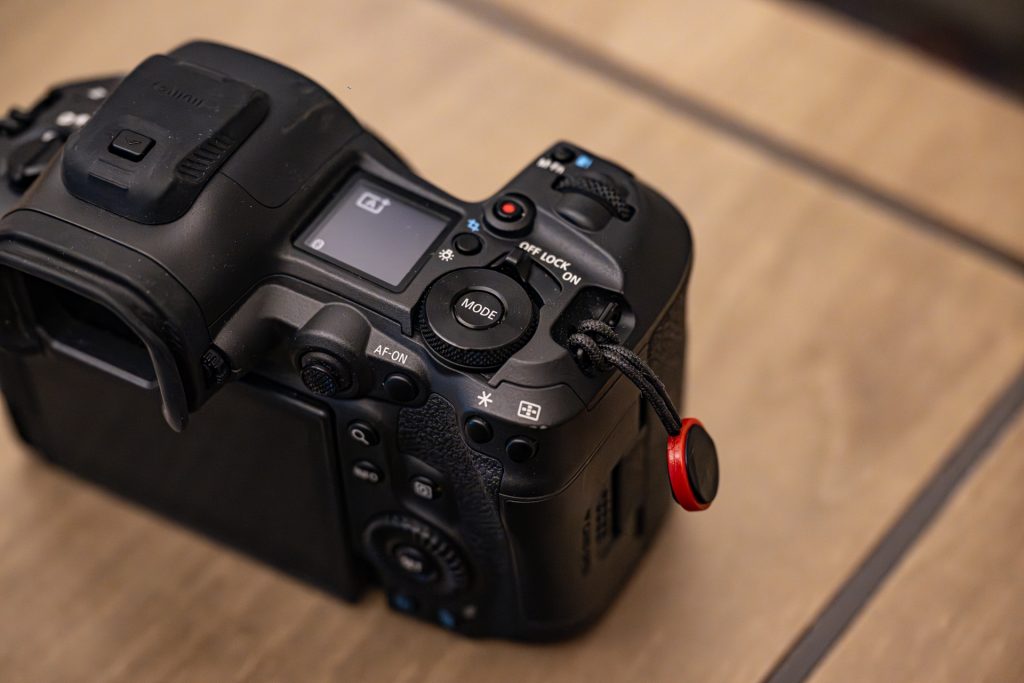
The command dials feel like second nature. I prefer the front command dial for aperture, with rear dial for shutter speed, a setup that fits my muscle memory. There’s a Mode button inside the top dial, AF-On button, mini joystick, and even illuminated controls. Even the EVF (0.5-inch OLED with 5.76 million dots) gives clarity enough to make an SLR feel blurry in comparison.
The hot shoe cover is overkill. Removing it feels like defusing a bomb. I’m sure it’s protective, but come on.
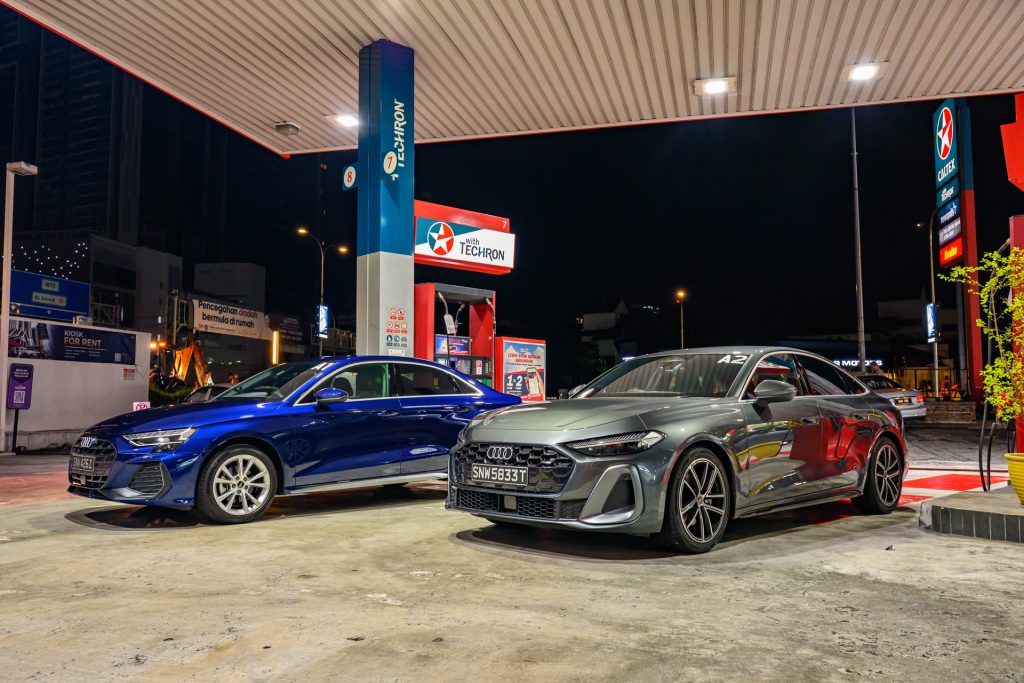
Pairing the R5 Mark II with Canon’s RF 24–70mm f/4L IS USM is a perfect combination. ISO 6400 delivered clean frames. At 12,800, noise tickles edge areas but remains usable. Autofocus locked into motion reliably.
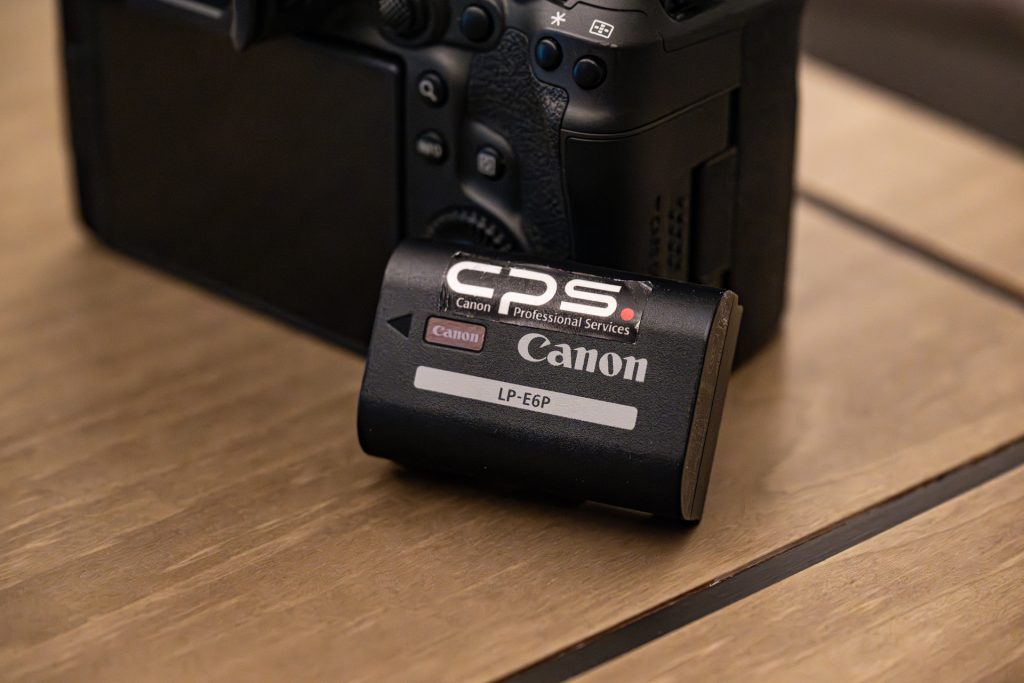
Battery life was shockingly robust: Canon rates 540 shots per charge, but I squeezed over 500 stills and quick video climbs with 25% battery still showing.
Mastery in Every Pixel
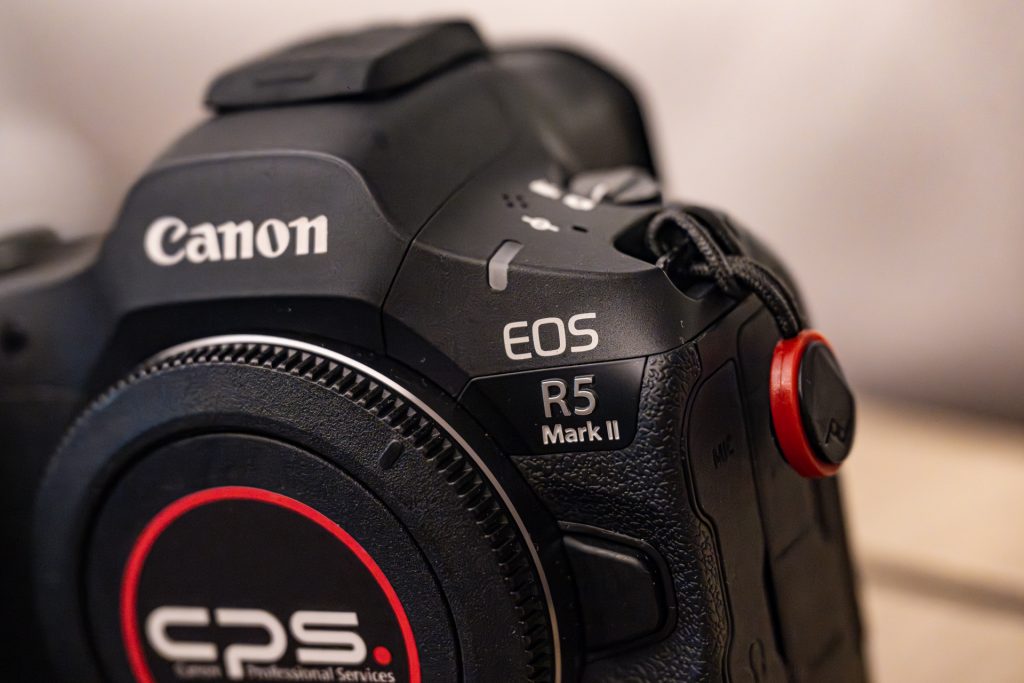
Certainly, the R5 Mark II is not entry-level. The R1 reigns supreme in speed, and APS-C shooters might covet greater portability.
But for professionals who, like me, grew up with the original 5D family, the R5 Mark II marries excellence across video, action, low light and still work.
It’s a storybook for every photographer who grew up under an EOS badge.
Liked this? Check out more articles on Futr tech here.