
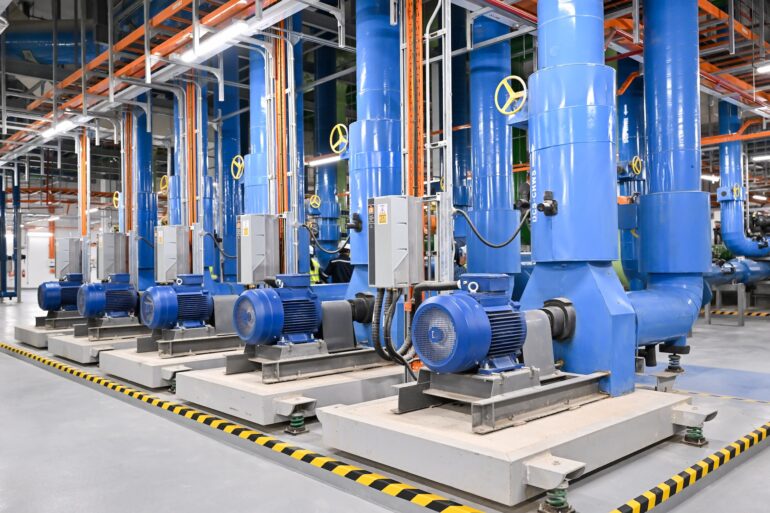
Somewhere in Punggol, a large network of pipes moves chilled water through the ground to cool offices and classrooms above.
It is an old idea, but one that is finding renewed relevance in Singapore.
District cooling, a concept dating back more than a century, is gaining ground in the city-state as temperatures rise at twice the global average.
For a country that imports almost all of its energy, the appeal is straightforward: the system uses less electricity than conventional air-conditioning and can be deployed at scale.
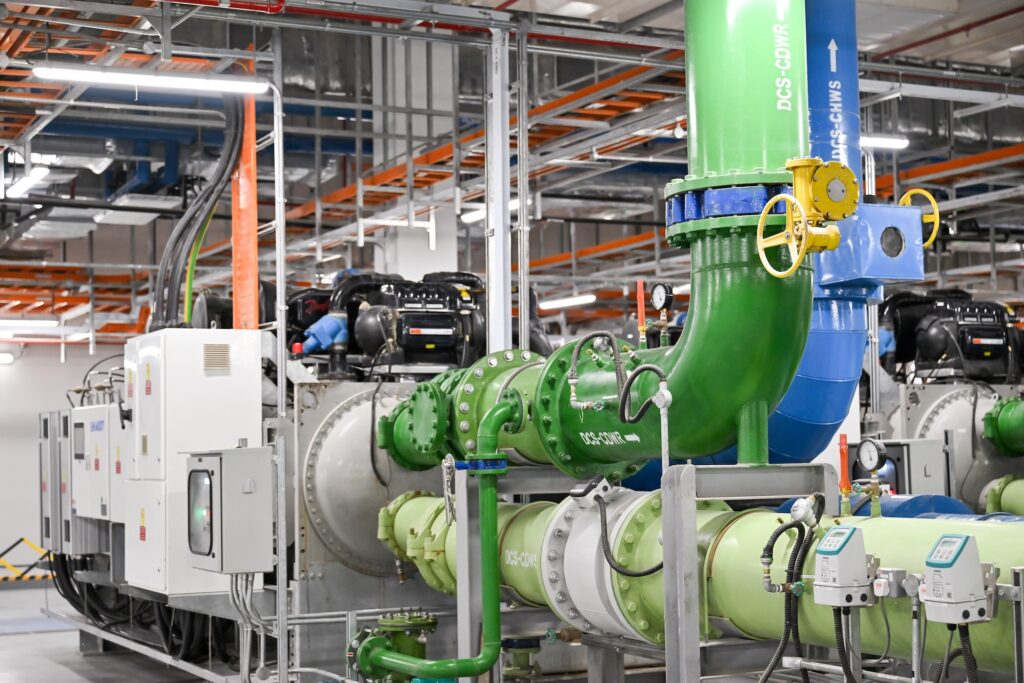
Singapore has already laid such networks beneath at least eight districts. The Marina Bay network, which began operations in 2006, remains the world’s largest underground district cooling system.
More buildings are set to be connected there, while separate facilities are also being developed elsewhere by operators such as Keppel EaaS.
The expansion comes at a time when energy security is drawing greater attention across the region. Countries such as Singapore are dealing with supply concerns linked to the US-Iran war.
District cooling is emerging as a practical option. The technology is also gaining traction globally, due to the perceived energy savings whilst still being able to keep everything cool and comfortable.
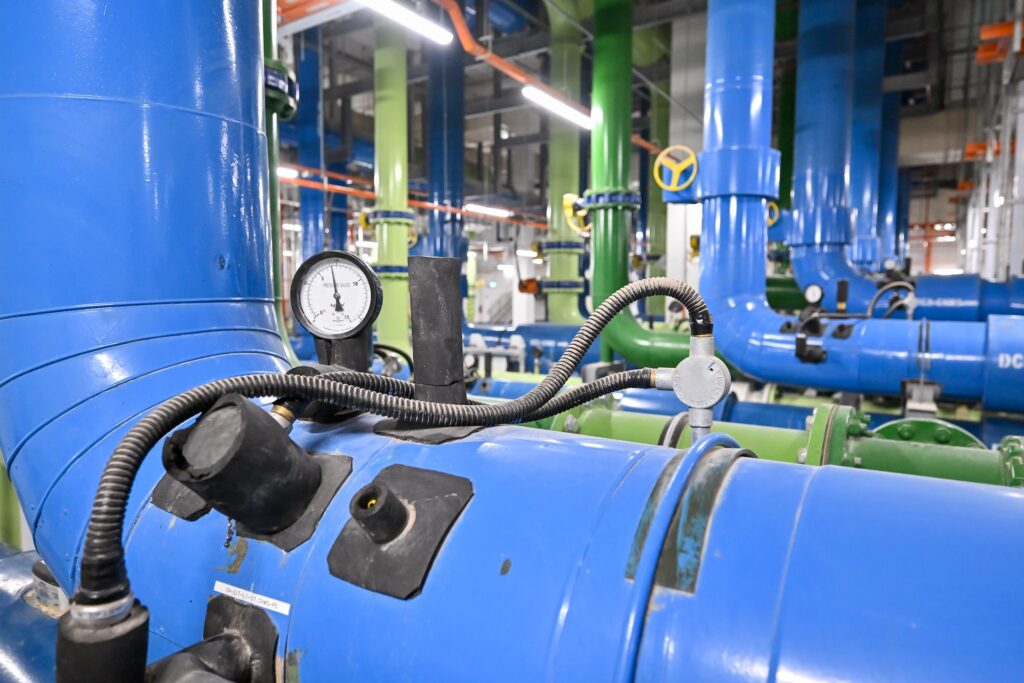
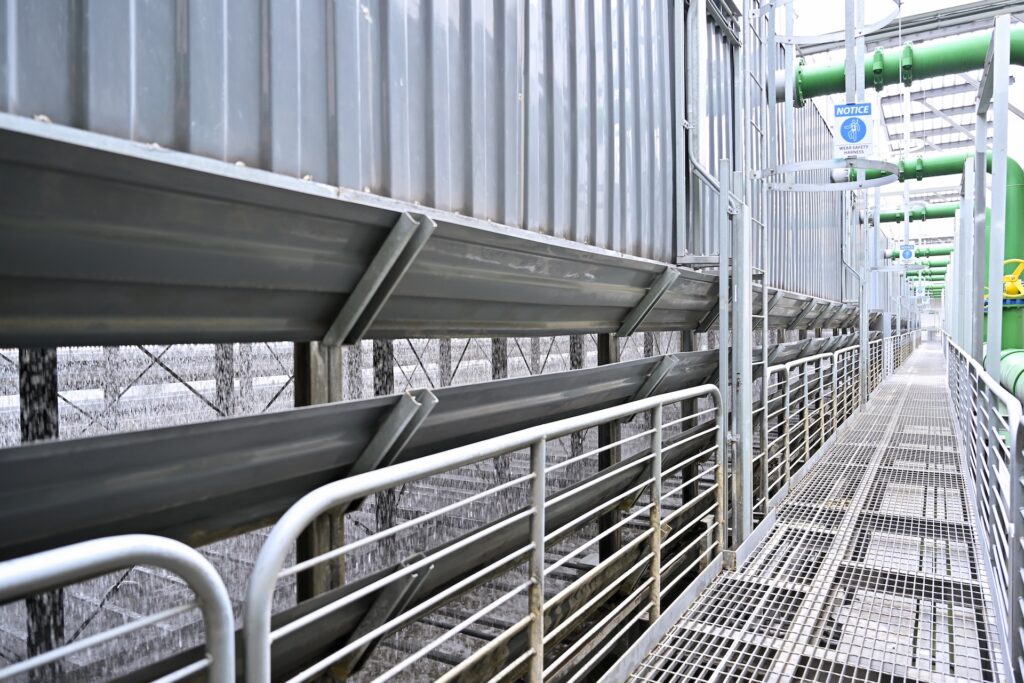
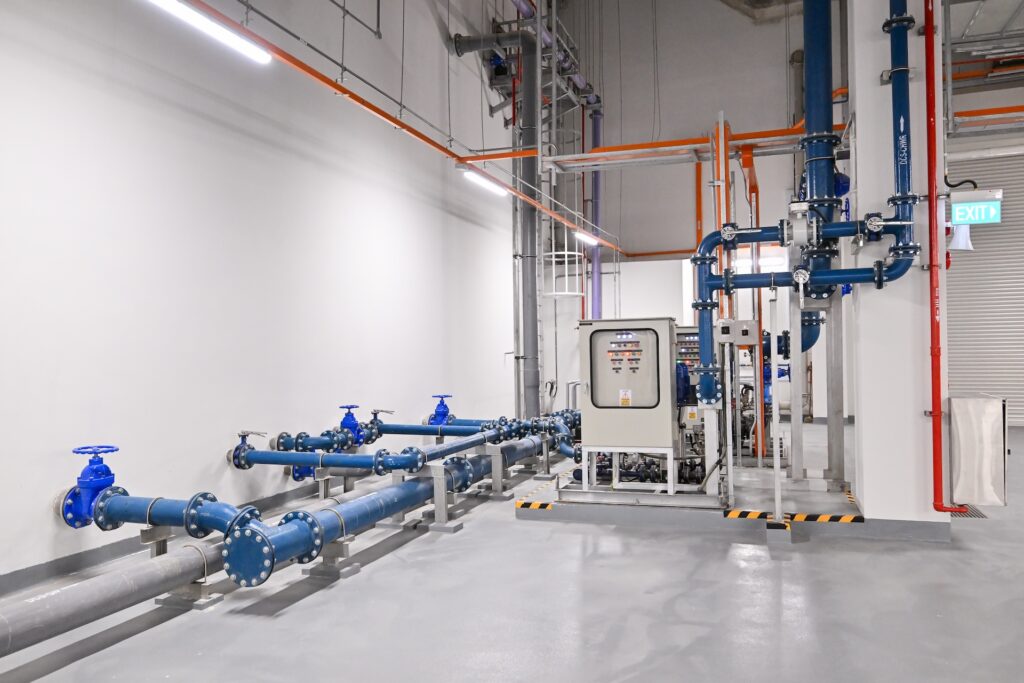
The underlying process is not especially complicated. At a central plant, refrigerants are used to chill water to about 7 degrees celsius. That water is then piped into buildings, where it passes through heat exchangers and cools the indoor air.
The cooler air is circulated back through vents, while the warmed water is returned to the plant to be cooled again, with excess heat discharged through a cooling tower.
Early versions were installed in Denver in 1889 and used ammonia or brine as distribution fluids. The use of water became more common in the 1960s in the eastern United States and Europe.

Engie, one of the world’s largest operators of such systems, estimates that Singapore’s district cooling capacity could double over the next decade from about 323,000 refrigeration tonnes today.
The company operates two systems in Punggol district capable of cooling about 8,000 public housing units.
That growth would address a real weakness in Singapore’s urban environment. The country has one of the highest levels of per capita air-conditioner use in the Asia-Pacific region, creating a familiar cycle in which cooling systems themselves contribute to warming emissions, which in turn increases demand for cooling.
The government has made clear that it wants more efficient alternatives, as part of a broader S$100 billion plan to protect the country against rising temperatures and sea levels. District cooling forms one part of that longer-term response.
However, district cooling systems depend on water, and that puts them in competition with other resource-intensive industries, particularly data centres, which are expanding rapidly across the region.
In Johor, just across the border from Singapore, public concern over water shortages has already forced the state government to halt approvals for less efficient data facilities.
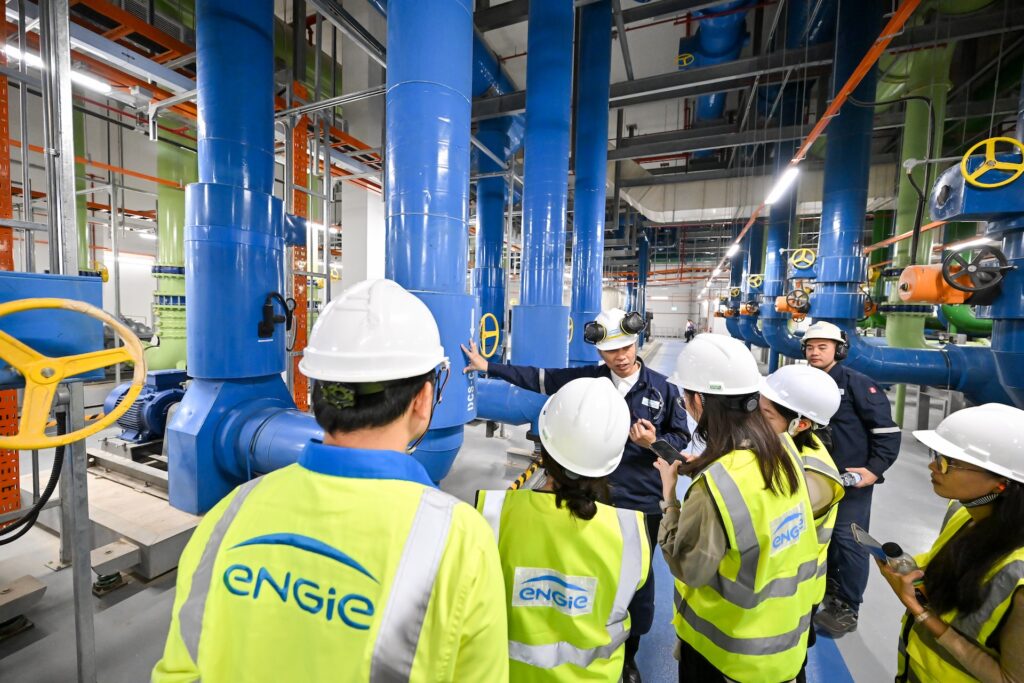
When Singapore’s first centralised district cooling system for public housing in Tengah was introduced in 2023, some residents reported water leaks and units blowing warm air. Those teething problems illustrated that while the concept is proven, execution still matters.
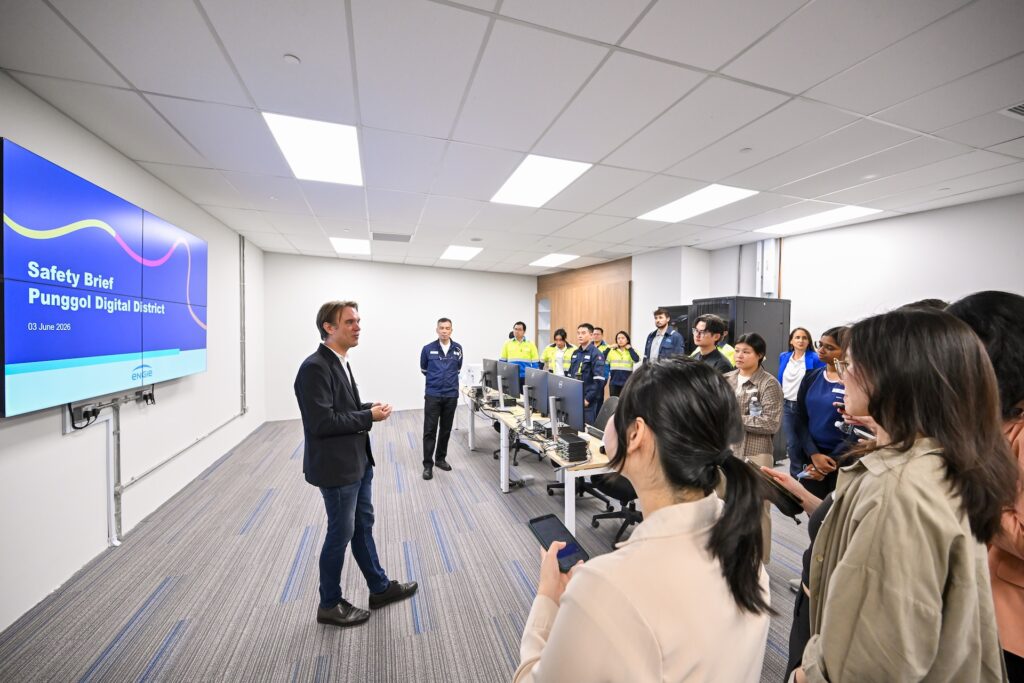
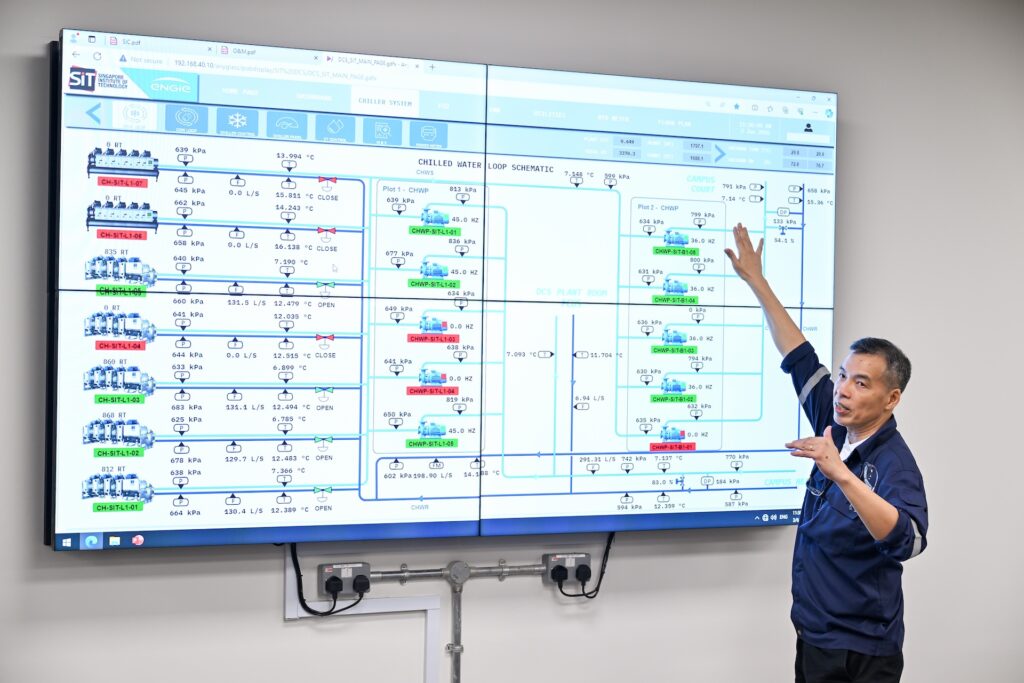
In Punggol, that is why engineers monitor the system closely from a command centre, tracking water temperatures, pump operations and maintenance requirements in real time.
Efficiency is under constant scrutiny, reflecting Singapore’s strict standards, its dependence on imported energy and its broader climate adaptation ambitions.
District cooling is not new, glamorous or especially visible. But in a hotter and more energy-conscious future, it may prove to be exactly the kind of infrastructure a city like Singapore needs.
Check out more news articles on Futr here!