
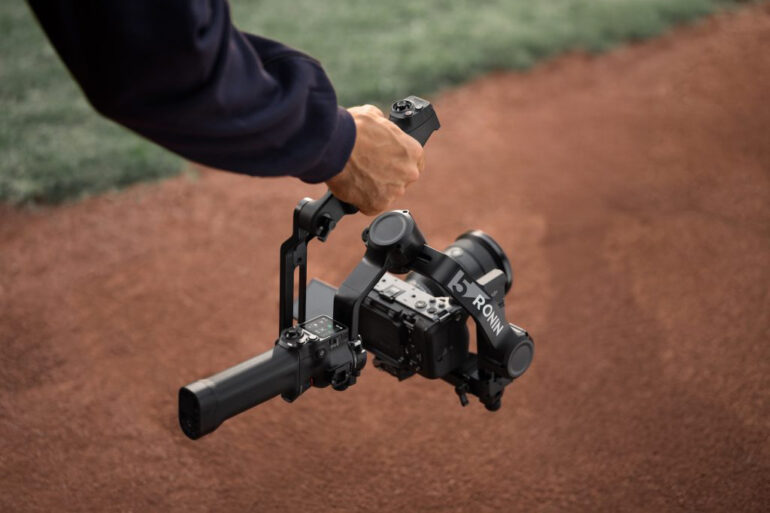
The DJI RS 5 does not reinvent the handheld gimbal. It does something arguably more useful: it removes friction.
There is a point in every shoot where glamour gives way to logistics. It usually happens after the first few takes, when someone is squatting on the floor trying to rebalance a camera rig, a battery is running low, and the subject has already asked, “Are we rolling yet?” This is where good gear earns its keep. Not in the spec sheet, but in the moments when it quietly saves time.
That, in many ways, is the DJI RS 5.
On paper, it is the latest evolution of DJI’s well-established Ronin stabiliser line. DJI has addressed many of these pain points with the RS 5, while keeping the overall formula familiar.
A familiar shape, but a more mature tool
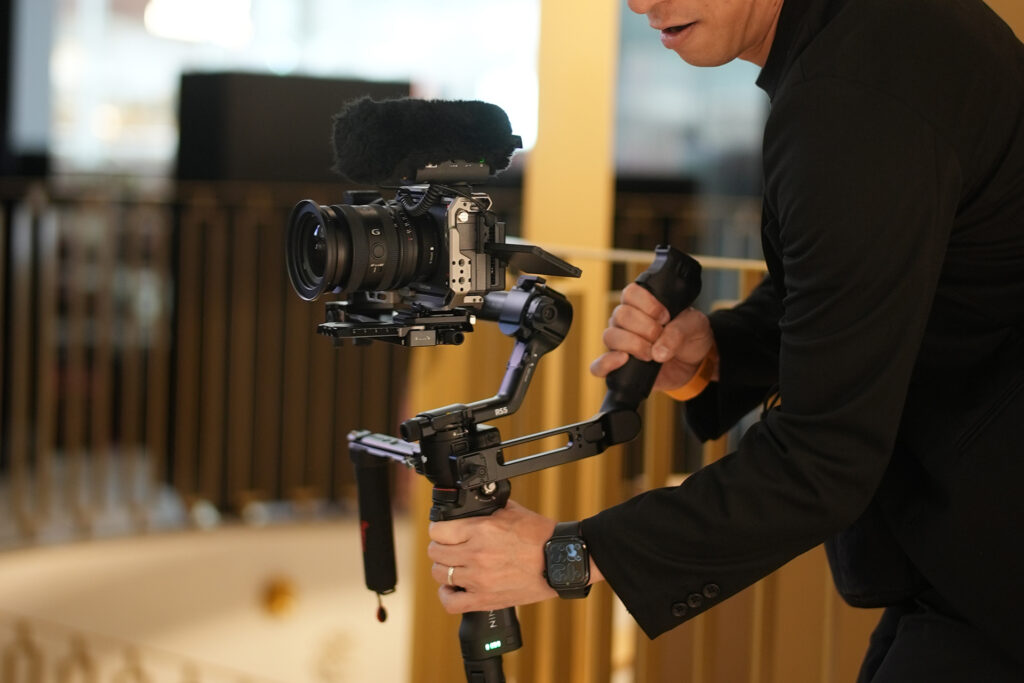
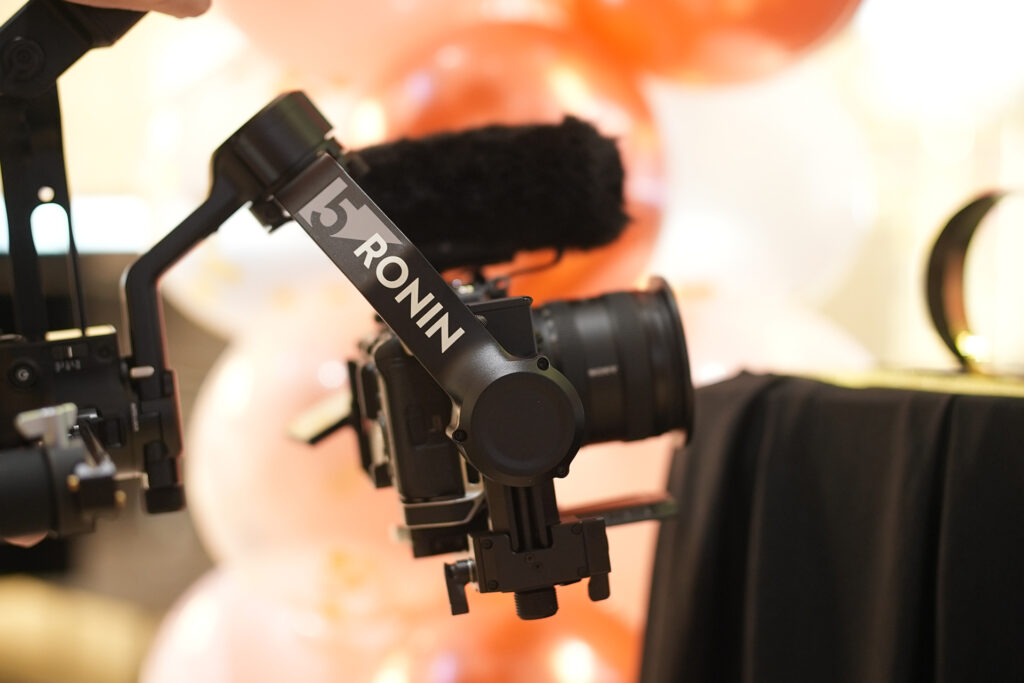
At first glance, the RS 5 looks like what you would expect from DJI: a folding, three-axis handheld gimbal with the same professional-industrial aesthetic the company has been refining for years.
What has changed is the way it appears to behave in the hand and on set. Second-generation automated axis locks help the gimbal deploy and stow more quickly, plus finer adjustment controls on the axes for more precise balancing. The fine-tune knobs are a meaningful quality-of-life improvement, because they reduce the back-and-forth nudging that often turns balancing into a mildly infuriating ritual.
If you have ever balanced a gimbal in a humid outdoor carpark, with a client watching and sweat gathering on your neck, you will know exactly why this matters. Tiny improvements here can feel enormous in real life.
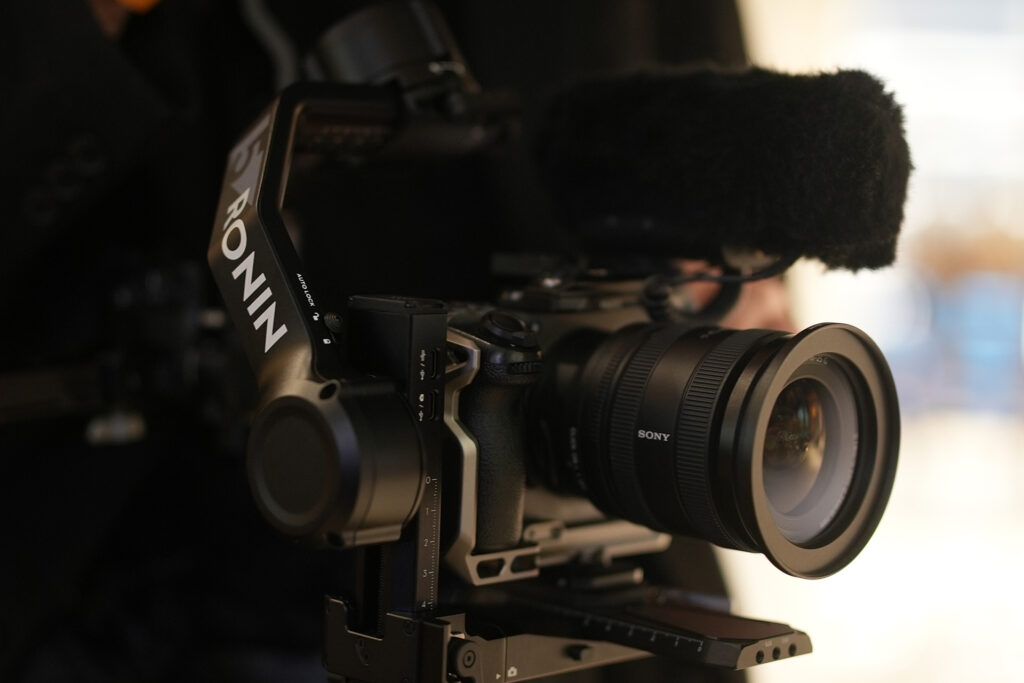
DJI also says the RS 5 weighs about 1.46kg (with battery grip and quick-release plates) and supports payloads up to around 3kg / 6.6lb, which puts it squarely in the sweet spot for mainstream mirrorless hybrids and common zoom lens pairings.
It is very much aimed at the modern one-person or two-person production team.
Stabilisation that prioritises confidence, not drama
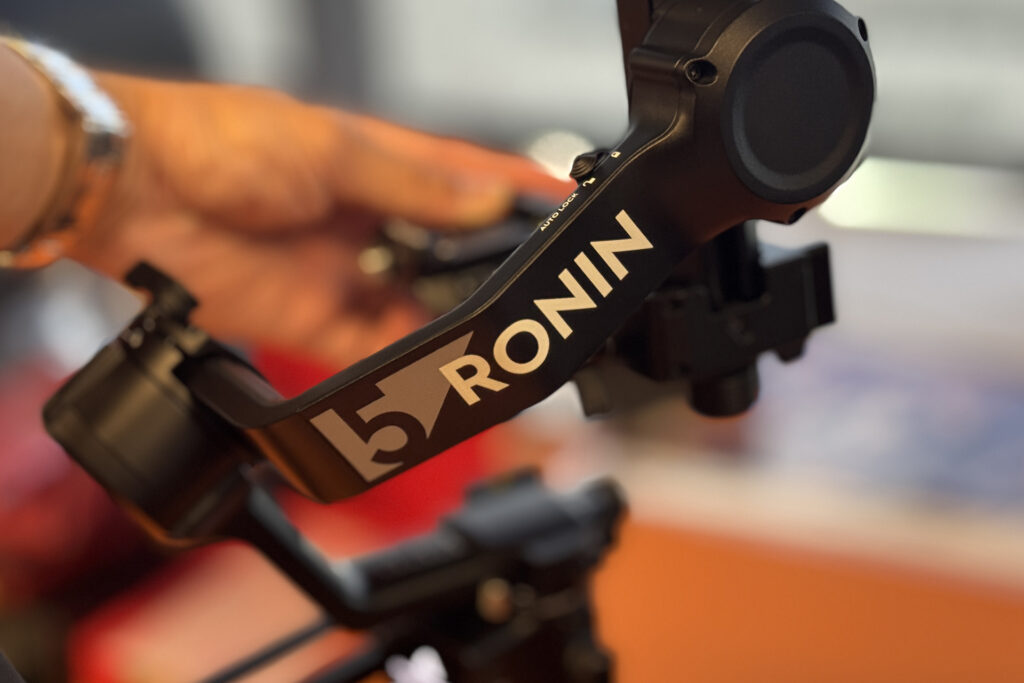
DJI’s headline claim is a fifth-generation RS stabilisation algorithm with a 50% increase in peak motor torque, meant to improve stability during fast movement, abrupt angle changes and vertical shooting.
And that is the truth of most real shoots. Very few operators glide across polished studio floors all day. More often, you are walking backwards on uneven pavement, sidestepping cables, or trying to keep a subject framed while someone opens a door in your path.
A gimbal’s job is not merely to look good in ideal conditions. It is to absorb your mistakes gracefully.
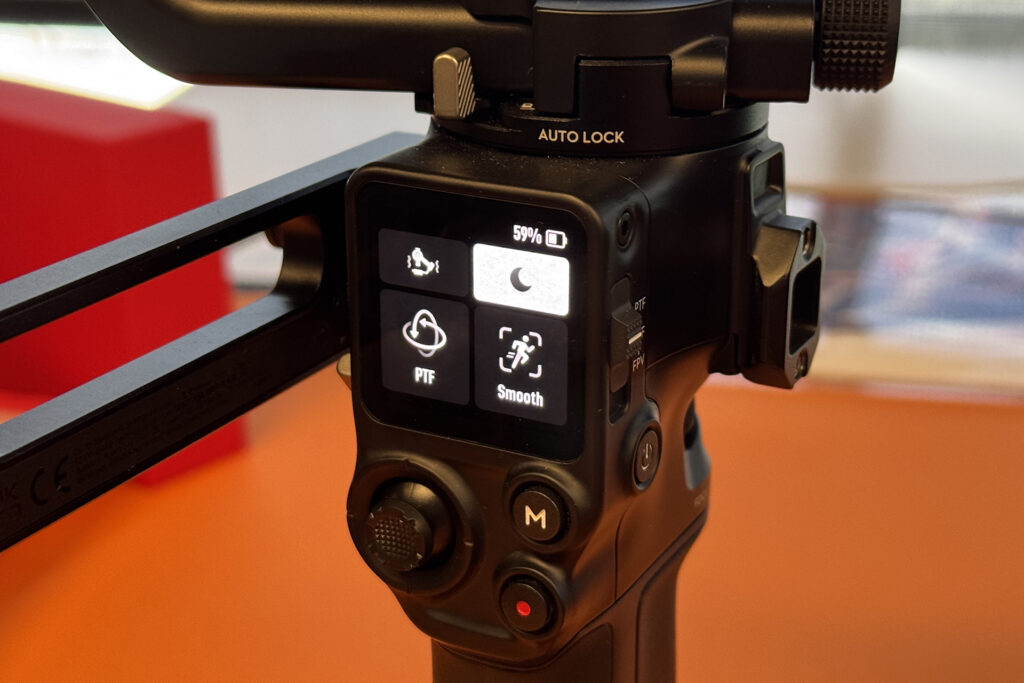
The RS 5 appears designed with this in mind. There’s a new on-screen Z-axis indicator, which helps operators adjust gait and pacing to reduce shake. Sometimes the issue is not the gimbal, it is the human attached to it.
Tracking gets smarter and more practical
One of the RS 5’s more interesting upgrades is its enhanced intelligent tracking module. DJI says the magnetic module enables tracking of people, animals and objects directly from the gimbal touchscreen, with reacquisition if the subject briefly leaves frame. Tracking of human subjects can be done up to about 10 metres.
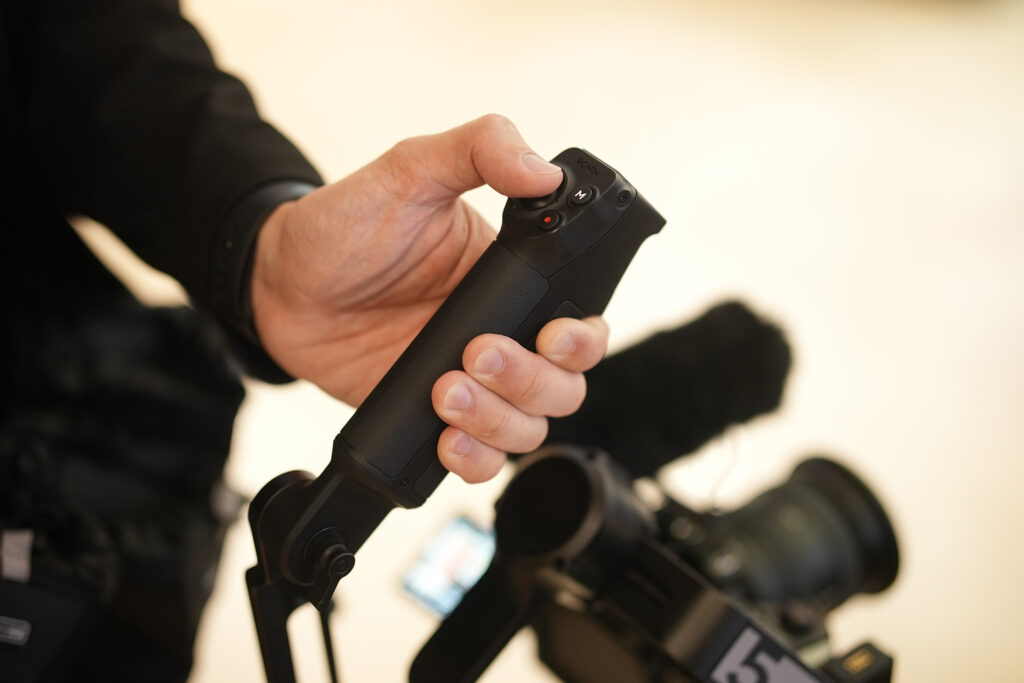
That is a meaningful step, especially for solo creators who do not always have a second pair of hands. If you are shooting a presenter walk-and-talk, a product demo in motion, or a small social media segment, reliable tracking can reduce the cognitive load significantly. You can focus on pacing, delivery and composition rather than constantly nudging the joystick.
That said, this is also where one should keep expectations sensible. Tracking is a tool, not a substitute for an operator’s eye. A well-composed shot still requires human input.
Battery life and charging: the sort of upgrade you feel by lunchtime
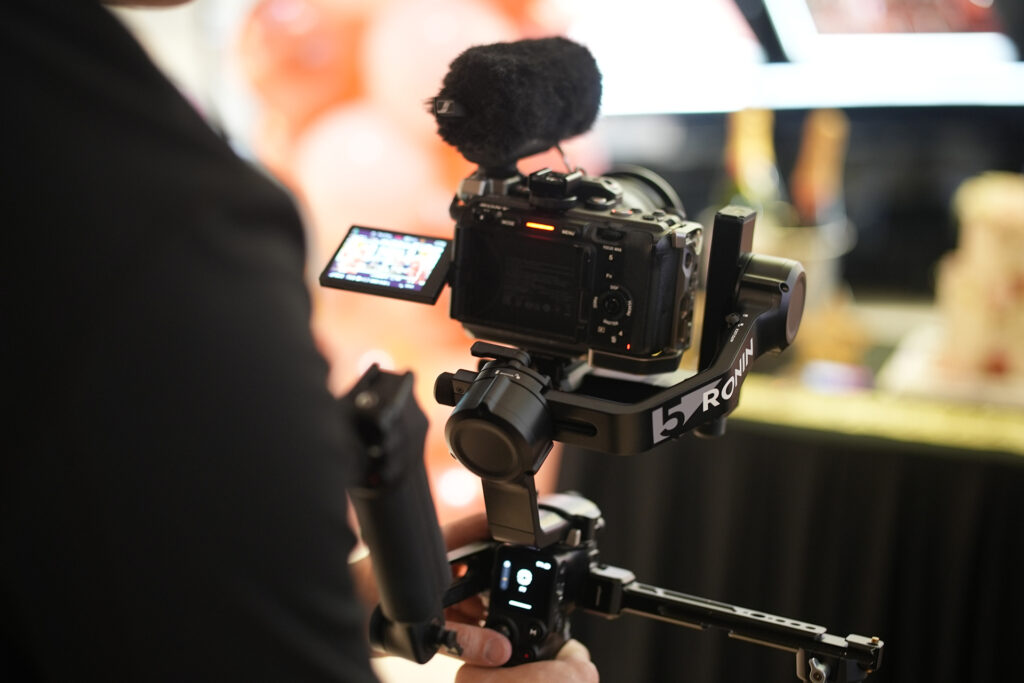
If there is one RS 5 upgrade that deserves applause from working shooters, it is battery performance.
DJI rates the standard battery grip at up to 14 hours of runtime and about one hour for a full charge with a suitable charger, while the optional BG70 high-capacity grip extends runtime to up to 30 hours.
Those are ambitious figures, of course, and real-world results will vary depending on camera weight, movement intensity and accessories. But even allowing for practical variance, the direction means longer shooting windows and fewer interruptions.
A camera operator can work around many things. What is harder to work around is a dead gimbal battery halfway through a location sequence when light is fading, and the schedule has slipped.
Fast charging is equally important. The RS 5 can recover quickly over a meal break or while gear is being repositioned, reducing the need to over-pack backups and battery grips “just in case”.
Ergonomics and workflow upgrades that make sense
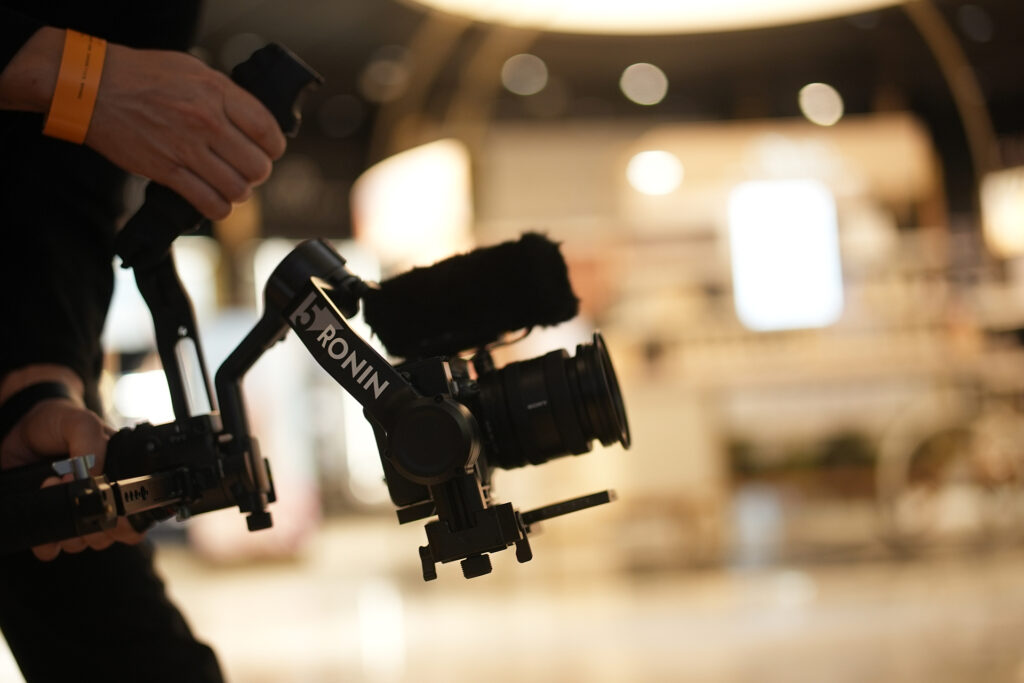
DJI has also introduced an Electronic Briefcase Handle for alternate shooting angles, including controls that allow more comfortable operation during low-angle or underslung work. This is exactly the sort of accessory that sounds niche until you spend an afternoon filming vehicles, shoes, pets, or anything else best captured from a lower perspective.
DJI also expanded on Bluetooth shutter compatibility, now including Panasonic and Fujifilm alongside Canon, Nikon and Sony, which strengthens the RS 5’s appeal for mixed-camera environments and freelancers who may not be shooting one system exclusively.
What the RS 5 does not change
For all its strengths, the RS 5 is still a gimbal, and that means it inherits the usual compromises.
There is also a broader question of value. If you already own a recent RS-series gimbal and your current setup is working well, the RS 5 may feel more like a workflow upgrade than a dramatic image-quality leap. This is not a criticism; once a category is good enough, progress becomes incremental and operational rather than revolutionary.
Still, those increments are often exactly what professionals pay for.
The verdict
The DJI RS 5 appears to be a very considered update to an already strong platform. It improves the parts of the experience that working creators actually complain about: balancing precision, runtime, charging speed, setup convenience and tracking usability.
If you are a wedding filmmaker, solo content creator, commercial videographer or hybrid shooter who frequently works on the move, the RS 5 is an efficiency machine. And in production, efficiency is often what separates a smooth shoot from a stressful one.
Liked this? Check out more articles on Futr tech here.