
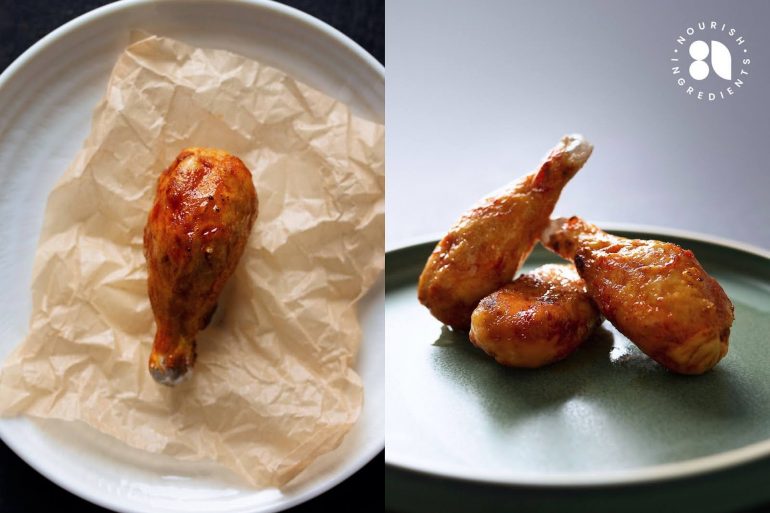
The plant-based food industry has long been guided by good intentions, but despite these virtues, a critical challenge has persisted: taste. Nourish Ingredients is seeking to change that.
For years, alternative proteins underdelivered on the sensory experience consumers craved. Now, that is changing, and according to Ernesto Vecilla, Head of Culinary Innovation at Nourish Ingredients, we’ve reached a breakthrough moment.
With a career spanning fine dining and food science, including time as a chef in a Michelin-starred kitchen, we sat down with him to discuss the evolution of plant-based food, the critical role of lipids in culinary enjoyment, and why precision fermentation may finally help solve the taste paradox once and for all.
A Turning Point for Plant-Based Products
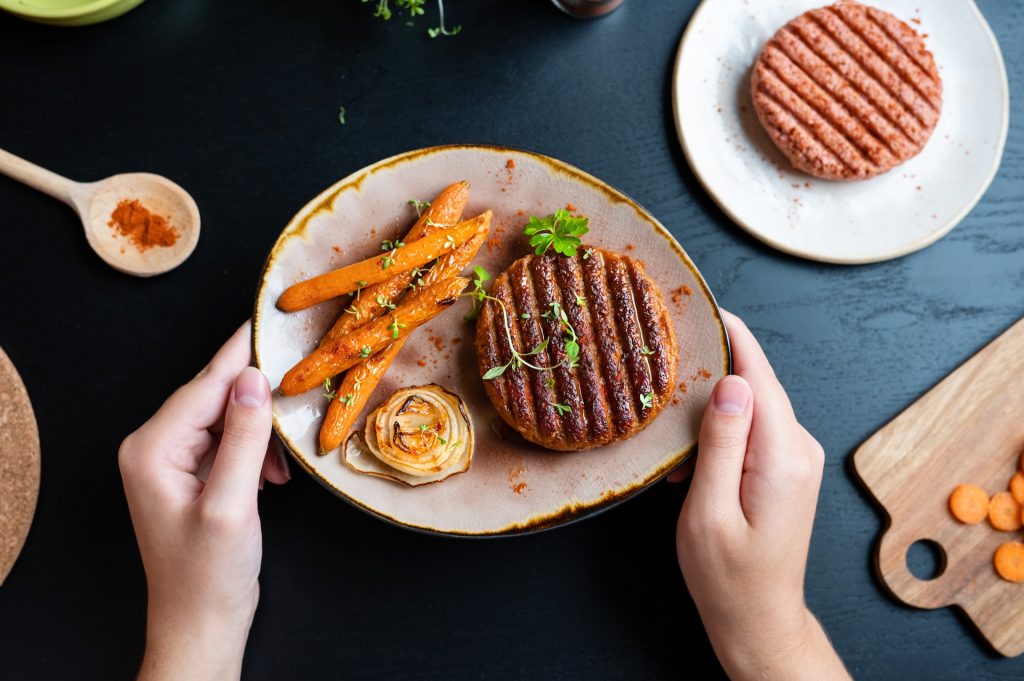
“Food tech is new, but food itself is ancient,” says Vecilla. “It’s tied to culture, identity, and emotion.”
Reflecting on the industry’s early missteps, he notes that the first wave of alternative proteins prioritised speed over substance. “They were quick to market but failed to deliver on flavour. And food isn’t software; you can’t fix a bland burger with a Version 2.0 update,” he explains.
Consumers, once intrigued, rarely came back for a second bite. But the industry has since recalibrated. “Today, innovators understand that flavour is king,” he continues. “If a product happens to be good for the planet, that’s wonderful, but people won’t sacrifice enjoyment for virtue alone.”
This shift has prompted a new generation of companies, including Nourish Ingredients, to prioritise what truly drives consumer loyalty: the deliciousness factor.
The Unsung Heroes of Flavour: Lipids
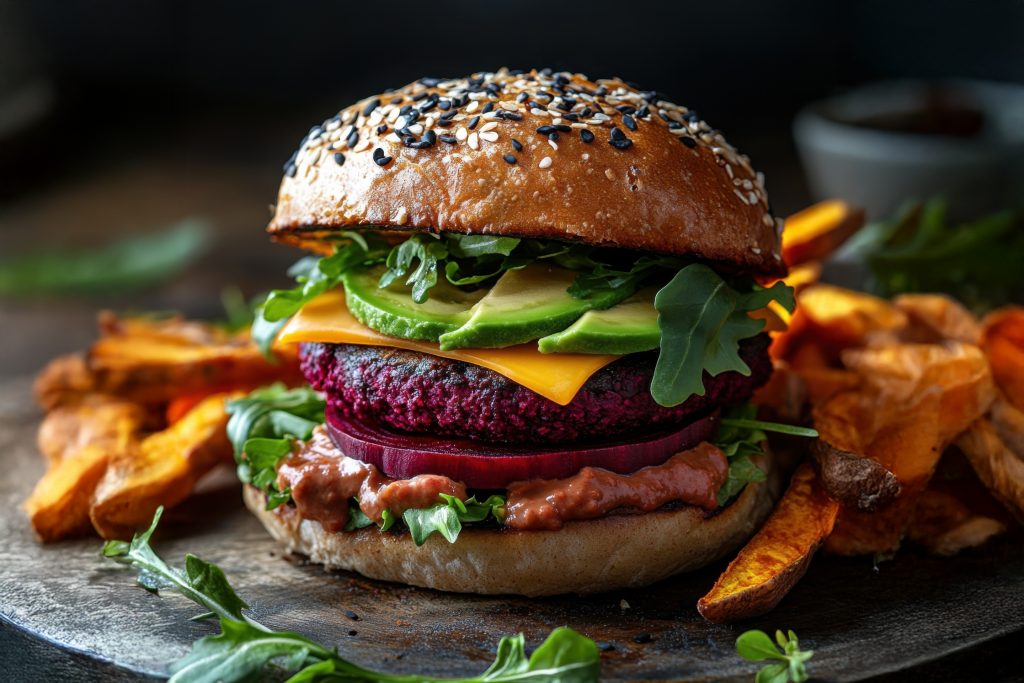
The main factor of this sensory breakthrough is fat, or more specifically, the nuanced science of lipids. As Vecilla puts it, “Fats are the unsung heroes of flavour. They carry aromas, provide richness, and create the mouthfeel we instinctively crave”.
Beyond their role as flavour carriers, fats are essential to texture and function. From the juiciness of a burger to the silkiness of chocolate, lipids shape our sensory perception of food. Yet, replicating animal fats in plant-based products is no easy feat.
“Alternative proteins use different types of fats compared to their animal counterparts. For example, coconut and sunflower oils have very different flavour profiles, textures, and melting behaviours compared to lard, tallow, or butter,” Vecilla explains.
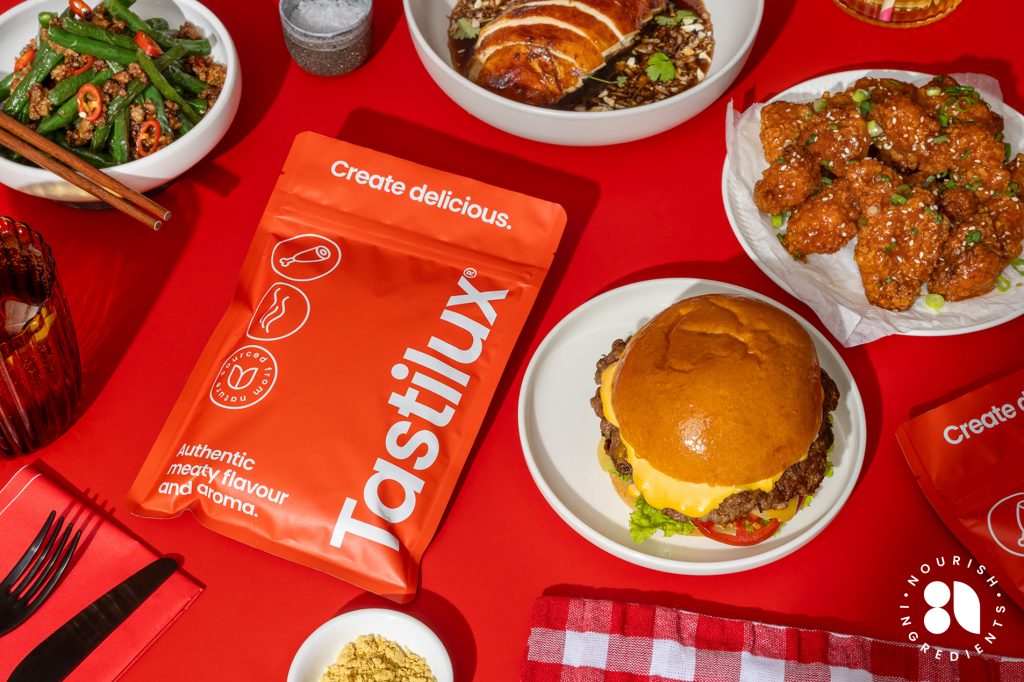
With precision fermentation, Nourish Ingredients can isolate and produce these molecules to create Tastilux®, a proprietary ingredient designed to replicate the taste and texture of meat. “It’s about making it craveable,” he explains.
From Fine Dining to Food Science
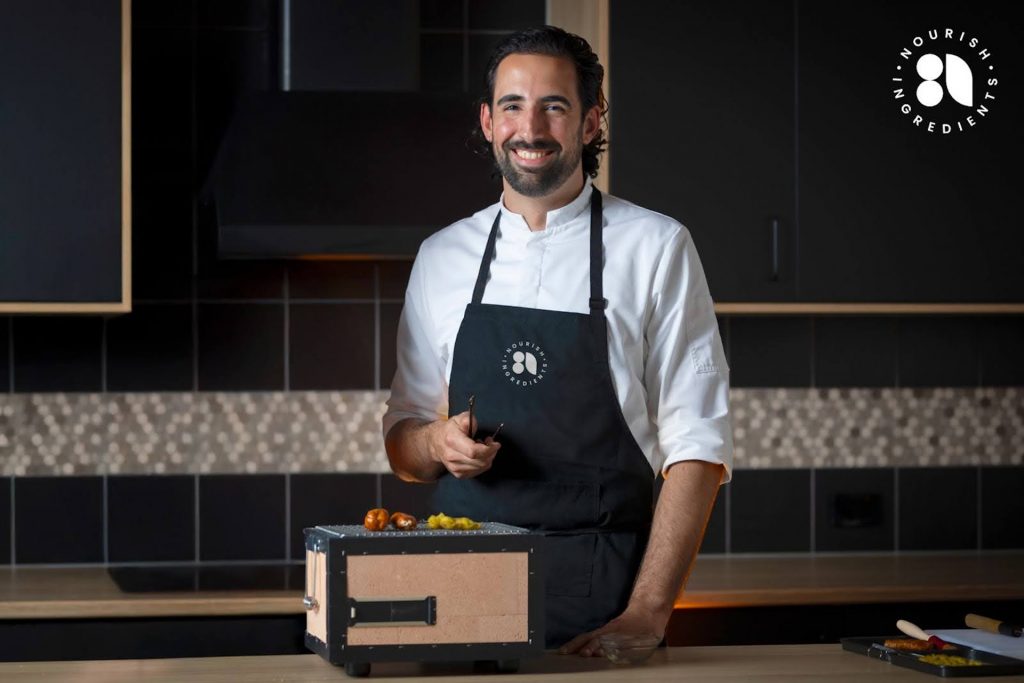
Vecilla’s approach to innovation is informed by years spent behind the pass in Michelin-starred kitchens. A graduate of the Basque Culinary Centre in Spain, he brings a rare culinary rigour to food-tech R&D. “We chefs are sceptics by nature. We’re always looking for the best ingredients and techniques, keeping quality and flavour front and centre.”
His training, rooted in both gastronomy and science, allows him to assess innovation through multiple lenses: cultural, historical, nutritional, and sensorial. “Food is many things,” he says. “But above all, it’s enjoyment. That’s what consumers remember, and it’s what we focus on delivering.”
Precision Fermentation
If there’s a single technology that could redefine the future of food, Vecilla believes it’s precision fermentation.
“Precision fermentation allows companies to produce specific molecules using microorganisms. It has been around for some time, mostly used in high-value, low-volume applications. Now it is becoming cost-effective enough to be applied to large-scale food production,” he explains.
With growing demand for sustainable proteins (and a finite planet to produce them), precision fermentation offers a path to high-impact flavour without the environmental cost. “As demand increases, mass-produced animal products are not going up in taste and quality, as profit and productivity are placed above sensory experience,” he observes.
This technological edge allows companies like Nourish to replicate and even exceed the taste of animal products using fewer resources, paving the way for a more resilient global food system.
Staying Ahead in a Rapidly Changing Landscape
The alt-protein space is evolving quickly, and Vecilla knows that staying ahead requires both scientific excellence and market sensitivity. “At Nourish, we have a clear focus: speciality fats. We don’t believe in one-size-fits-all solutions. Instead, we design fats for specific food applications, be it plant-based meats, dairy alternatives, or beyond,” he says.
By working closely with global food companies, Nourish co-develops products that are tailored to market needs, flavour expectations, and production realities. “We validate everything through sensory testing and culinary use cases. That real-world lens is what sets us apart,” Vecilla concludes.
Like this article? Check out more lifestyle features here.