
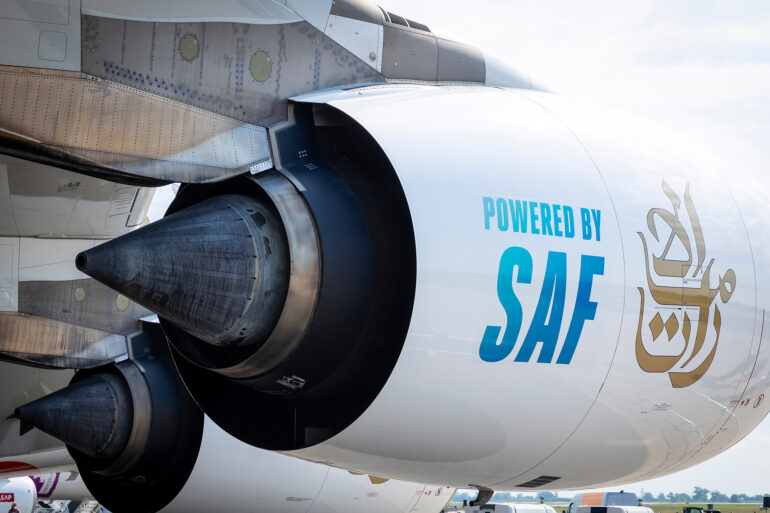
As aviation faces mounting pressure to decarbonise, sustainable aviation fuel (SAF) is emerging as one of the sector’s most immediate and scalable solutions.
Yet in the Asia-Pacific region, where SAF production potential is significant, market maturity remains uneven. The challenge is no longer simply one of technological feasibility, but rather about demand, policy certainty and ecosystem coordination.
We managed to catch Mr Julien Manhes, Head of Sustainable Aviation Fuels and Carbon Dioxide Removal at Airbus, who outlined how the aerospace manufacturer is approaching decarbonisation today, why voluntary corporate demand matters, and what Airbus sees as the essential building blocks for a viable SAF industry in the region.
How Airbus is supporting the decarbonisation of the aviation industry today
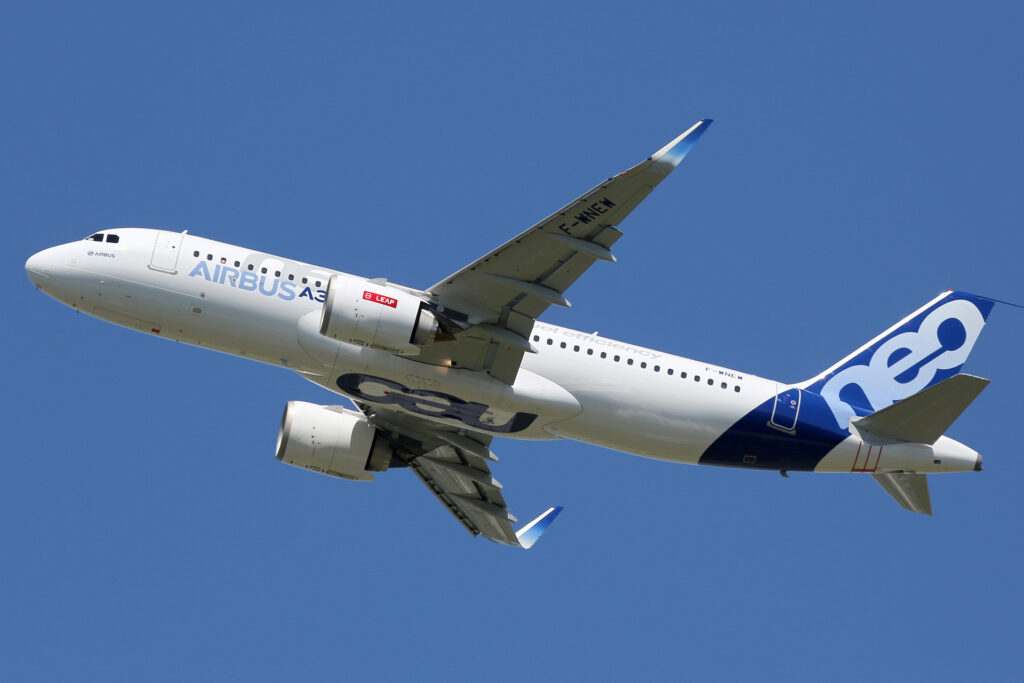
Mr Manhes mentioned Airbus’s decarbonisation strategy is deliberately broad-based rather than dependent on a single solution. The company’s approach is structured around five pillars: accelerating fleet renewal, developing future aircraft, scaling SAF, optimising operations, and advancing market-based measures such as carbon removal.
Airbus’ latest-generation aircraft, including the A320neo and A350, are already 20 to 25 per cent more fuel-efficient, while its next generation of single-aisle aircraft is intended to deliver a further 20 to 30 per cent reduction in fuel burn compared with today’s narrowbody aircraft through advances in propulsion, wings, hybridisation, systems and materials.
On SAF specifically, Mr Manhes stressed that Airbus sees it as one of the industry’s main operational levers, given its potential to reduce lifecycle carbon dioxide emissions by up to 80 per cent compared with conventional jet fuel. However, he noted that the SAF market remains at an early stage, requiring feedstock aggregation, process development, large-scale investment in production plants, committed long-term demand from operators, and (crucially) clear and stable policy frameworks.
Airbus sees its role not as a fuel producer or airline, but as a catalyst: connecting airlines, airports, authorities, producers, suppliers and research institutes, while also investing in partnerships such as the Qantas-Airbus Australian Sustainable Aviation Fuel Partnership and a co-investment partnership with Cathay Pacific to help scale SAF production in Asia.
He added that Airbus is also supporting mechanisms such as “Book and Claim” to make SAF demand more flexible, where physical fuel supply is limited.
Today, all Airbus aircraft and helicopters are certified to fly with a 50 per cent SAF blend, and the company is targeting up to 100 per cent SAF capability across its portfolio by 2030.
How voluntary corporate demand can help close the gap between policy ambition and actual SAF uptake
Airbus views Asia-Pacific as a decisive region in the global SAF transition, noting estimates that around 40 per cent of the world’s potential SAF production capacity by 2050 could come from the region. But production potential alone, Mr Manhes cautioned, is not enough. Demand must materialise if that potential is to be converted into bankable projects and operational fuel supply.
The benefits of SAF extend beyond aviation itself, creating value for corporations pursuing broader decarbonisation goals while relying on air travel for business operations. Voluntary demand sends an additional financial signal to producers, helping justify the conversion of waste streams into viable SAF feedstock and products, while also strengthening regional energy sovereignty and supporting a circular economy.
Airbus has sought to demonstrate this in its own operations, first by voluntarily using SAF in its internal corporate shuttle between Toulouse and Hamburg, then by procuring SAF for business travel on partner airlines including Air France-KLM, Lufthansa and IAG.
Mr Manhes added that Airbus has also used platforms such as the Paris Air Show to encourage broader industry participation in activating voluntary demand. With sufficient voluntary demand and supportive policy, the industry has the ingredients needed to move from ambition to scale.
The level of responsibility aircraft manufacturers bear in shaping a more sustainable aviation ecosystem
Mr Manhes was clear that Airbus sees aircraft manufacturers as having a substantial responsibility in driving aviation’s transition, and that the company is committed to leading aerospace decarbonisation in cooperation with partners across the entire aviation value chain.
The most direct contribution, he said, comes through products: developing new aircraft generations and future concepts that reduce emissions relative to today’s models. Airbus is also working across the value chain to align objectives around energy efficiency and renewable energy use in operations.
Underlying this, he said, is a broader principle: industries that wish to continue operating and growing in the future must address their environmental footprint directly. In that sense, Airbus does not regard decarbonisation as an optional extension of product development, but as a core industrial responsibility tied to the long-term legitimacy and resilience of aviation itself.
What is needed to build a robust SAF industry in Asia-Pacific
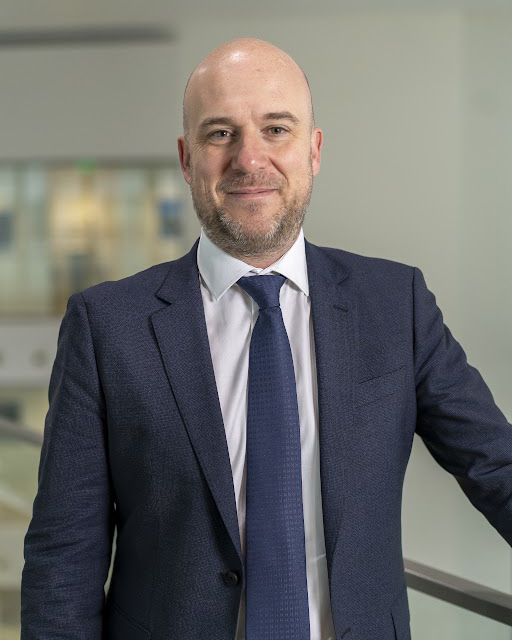
In the interview, Mr Manhes identified four critical elements needed to foster a viable SAF industry in Asia-Pacific.
The first is the ability to harness local feedstock at scale. The region is a potential energy powerhouse, with Southeast Asia’s agricultural biomass, Japan’s wood residues and municipal waste streams all presenting potential CORSIA-compliant feedstocks.
Converting those local resources into a valuable fuel commodity would not only support aviation decarbonisation but also strengthen energy sovereignty and create regional employment opportunities.
The second requirement is a stable and consistent policy. Mr Manhes pointed to examples such as Japan’s 10 per cent SAF target supported by subsidies, and Singapore’s passenger-funded SAF procurement model, as evidence of the type of policy clarity that can unlock private investment in production facilities. Such frameworks must be long-term, stable and aligned with internationally recognised standards such as CORSIA to support production and uptake across both national and regional markets.
Third, he highlighted the importance of a robust “Book and Claim” framework. Given the distances and logistical fragmentation across Asia-Pacific, such a mechanism would allow the environmental attributes of SAF to be decoupled from the physical fuel, making it possible for airlines or corporates far from a refinery to support efficient projects elsewhere in the region.
Finally, collaborative investment and partnerships work as a “team sport”. No single company can win alone.
Airbus’ near-term targets towards 2030
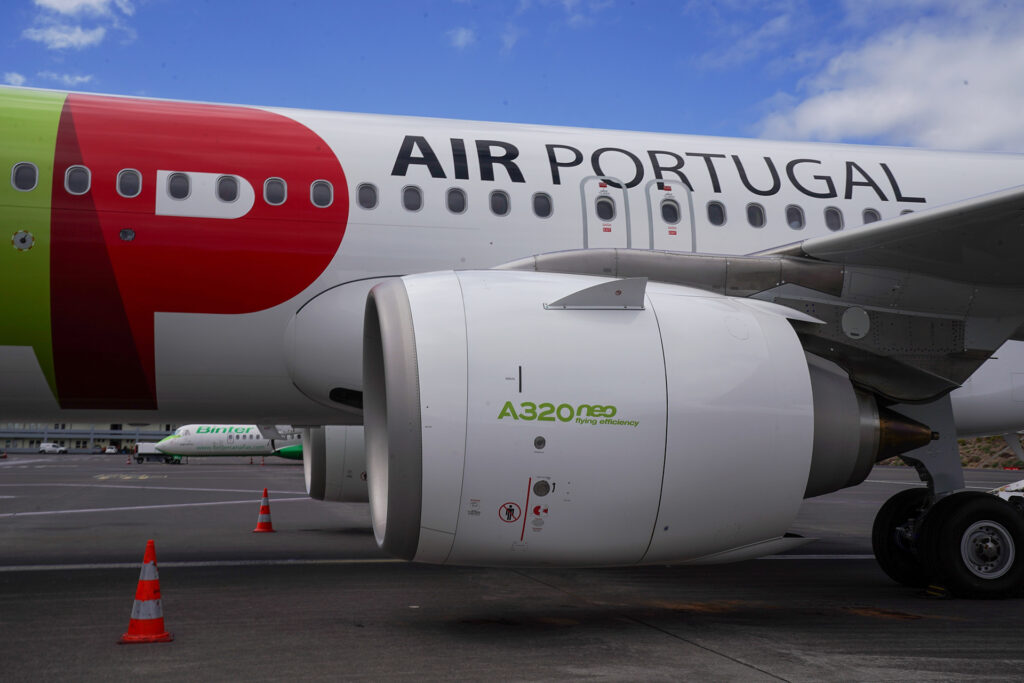
Airbus has set a series of concrete operational and industrial targets aligned with the Paris Agreement’s 1.5°C pathway. These include reducing Scope 1 and Scope 2 industrial emissions by 63 per cent by 2030, and reducing greenhouse gas emissions intensity generated by its commercial aircraft in service by 46 per cent by 2035. These targets also translate into increased SAF use in Airbus’ own activities, including flight tests, acceptance flights and Airbus Transport International operations.
The company aims for SAF to account for at least 30 per cent of fuel used in its operations by 2030, while also using SAF for employee shuttle operations where aircraft are fuelled on Airbus premises and where SAF is available. Airbus is additionally procuring SAF from commercial airlines to reduce emissions from business travel.
Airbus has previously expanded its agreements to procure SAF certificates through airline partners such as Air France-KLM, Lufthansa Group, British Airways, Iberia, Volotea, Air Corsica and easyJet. Beyond fuel, Airbus is also pursuing operational decarbonisation through energy partnerships with Siemens and ENGIE, covering project design, implementation and maintenance.
To accelerate the shift to renewable energy, Airbus has signed power purchase agreements in Spain, the United Kingdom and Germany. Together, these initiatives are intended to help reduce purchased energy by 20 per cent by 2030 and emissions from stationary sources by 85 per cent over the same period.
Airbus’s longer-term ambitions and pathway toward 2050
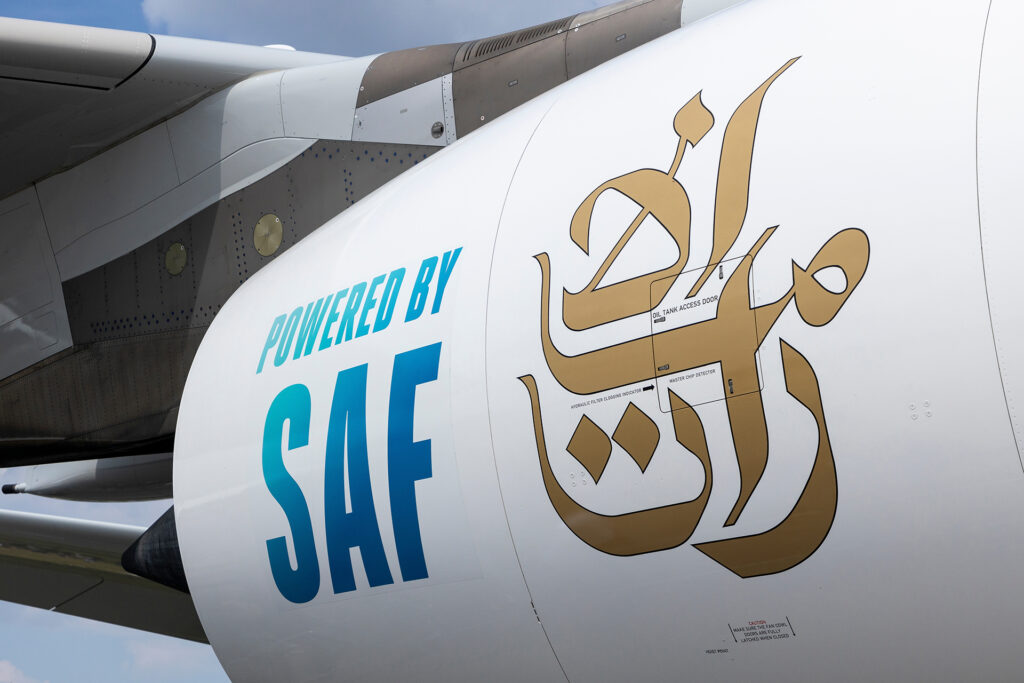
While Mr Manhes did not separately expand at length on 2050 in the interview, he consistently positioned Airbus’ current work within the wider industry goal of achieving net-zero carbon emissions by 2050, as set by ATAG, IATA and ICAO.
His views suggest that Airbus sees the path to that target as cumulative and interconnected: more efficient aircraft, future aircraft development, scaled SAF uptake, improved operational efficiency, and market-based mechanisms such as carbon removal must all work in concert if the industry is to close the gap between current emissions levels and long-term climate commitments.
Rather than presenting 2050 as dependent on one technological breakthrough, Airbus appears to view it as an industrial transition requiring simultaneous progress across fuels, aircraft capability, operations, policy and financing. In that respect, SAF is not portrayed as the sole answer, but as one of the most important near- and medium-term bridges between today’s aviation system and the lower-carbon system the industry is trying to build.
As governments, fuel producers, airlines and corporate buyers each define their role in the SAF ecosystem, Airbus is seeking to position itself as both a technology leader and a market catalyst.
Check out more news articles on Futr here!