There are drones that demand you learn a new language, and there are drones that behave like a helpful companion. DJI’s Neo 2 is firmly the latter.
This is a palm-sized, sub-250g flyer with proper obstacle sensing, a 4K camera on a two-axis gimbal, and enough built-in smarts to let beginners come home with genuinely watchable footage. In short, it’s the first “selfie drone” I’d recommend to a casual user without crossing my fingers.
Design & who it’s for
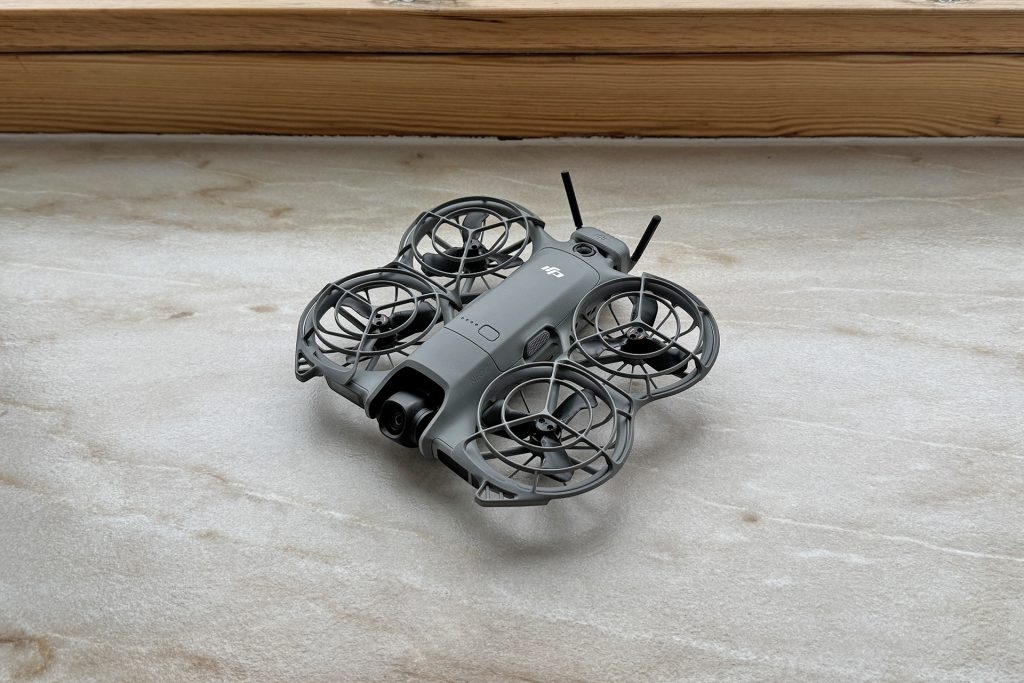
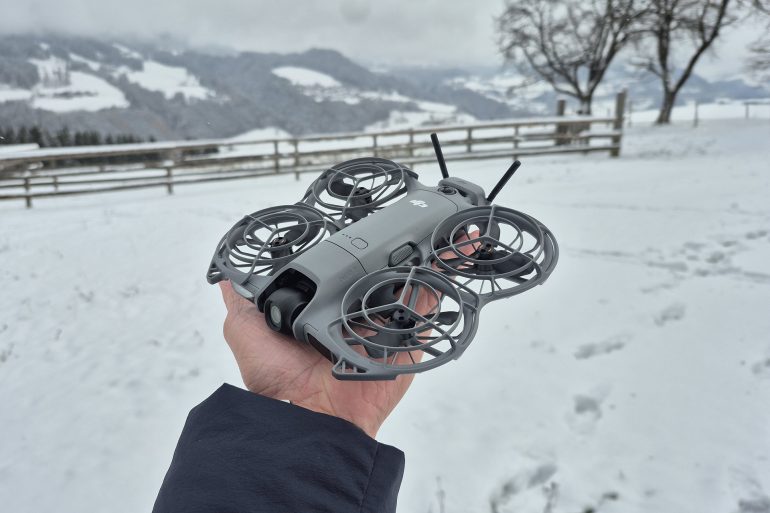
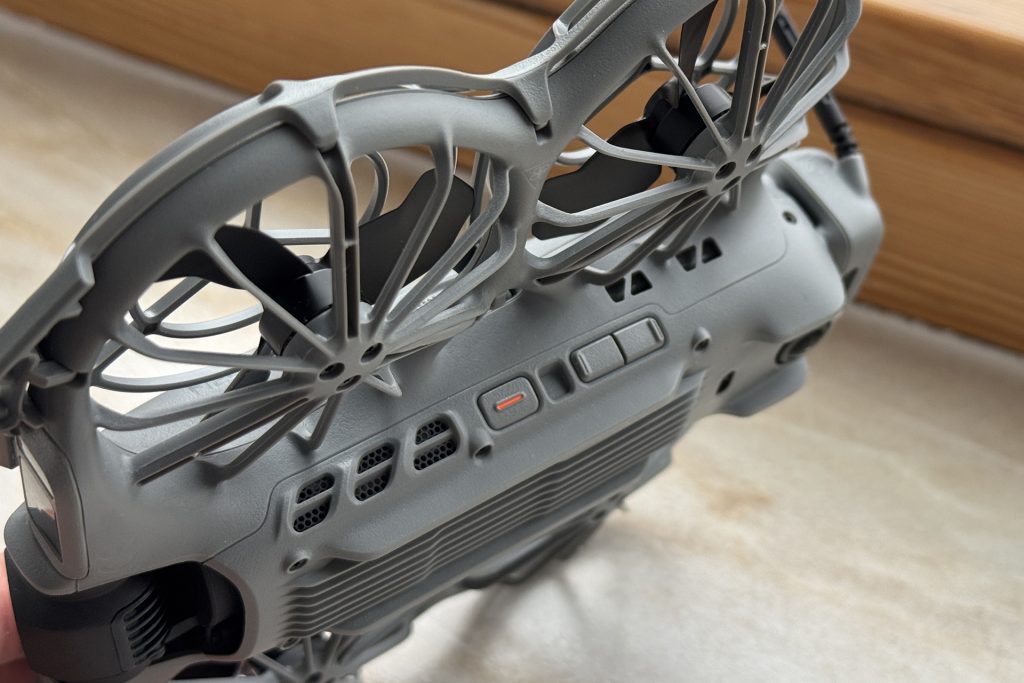
The Neo 2 is small, wears full prop guards, and introduces a front display that shows mode/status. It’s aimed at travellers, families, and content creators who want quick, social-ready clips without carting a Mavic-class rigor nerves of steel. In Singapore, that weight also keeps it below the 250g registration threshold, lowering the barrier to entry.
Camera & stabilisation: 4K that flatters your feed
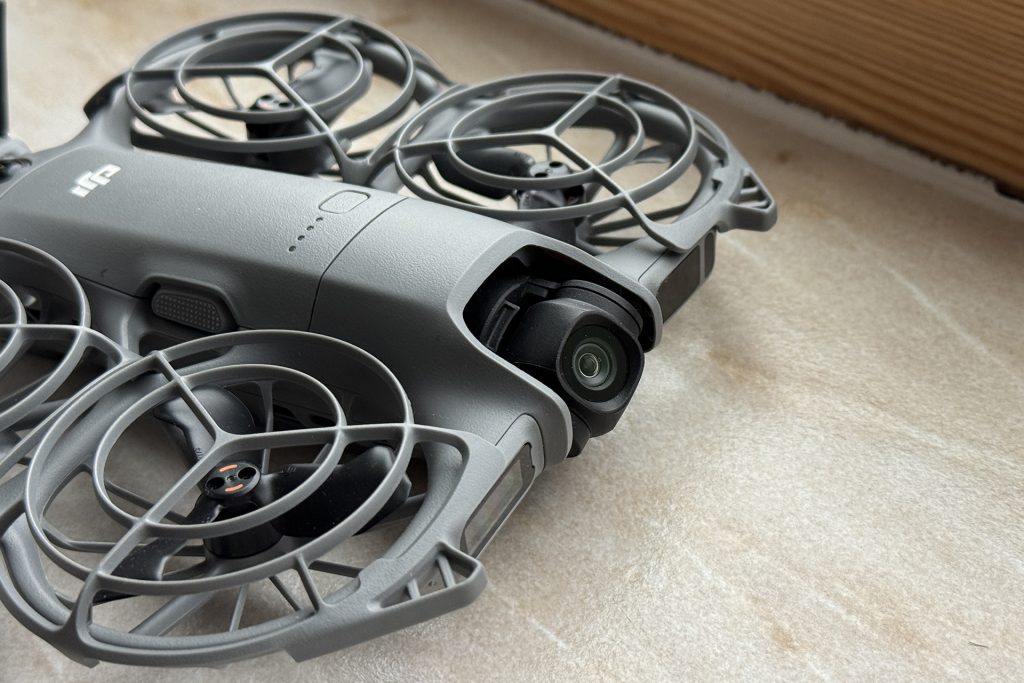
The upgrade that matters most sits up front: a 12MP, 1/2-inch sensor now mounted on a two-axis gimbal.
You get 4K/60p (and up to 100fps with a controller), 2.7K vertical for socials, and 49GB of internal storage so you won’t lose a sunset because you forgot a microSD card. Detail is crisp for the class, highlight roll-off is calmer than expected, and the gimbal keeps footsteps from wobbling your horizon.
Safety & autonomy: fewer heart-stopping moments
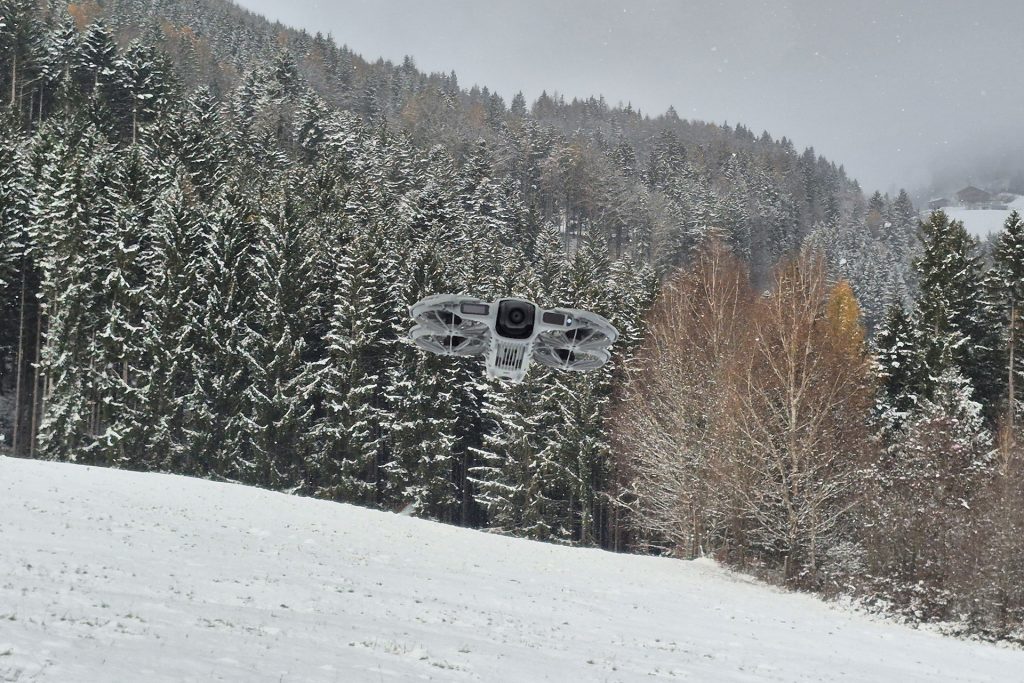
For a drone pitched at newcomers, sensing matters more than speed. The Neo 2 layers omnidirectional vision, front LiDAR and downward IR into a safety net that’s surprisingly effective in parks and along promenades. Palm take-off/landing, Return-to-Palm, gesture control, and familiar DJI tricks like MasterShots, Dolly Zoom and orbit are present and easy to trigger.
The net effect is confidence: you can concentrate on framing rather than constantly bracing for a bump.
Flight time & range: plan your shots, don’t rush them
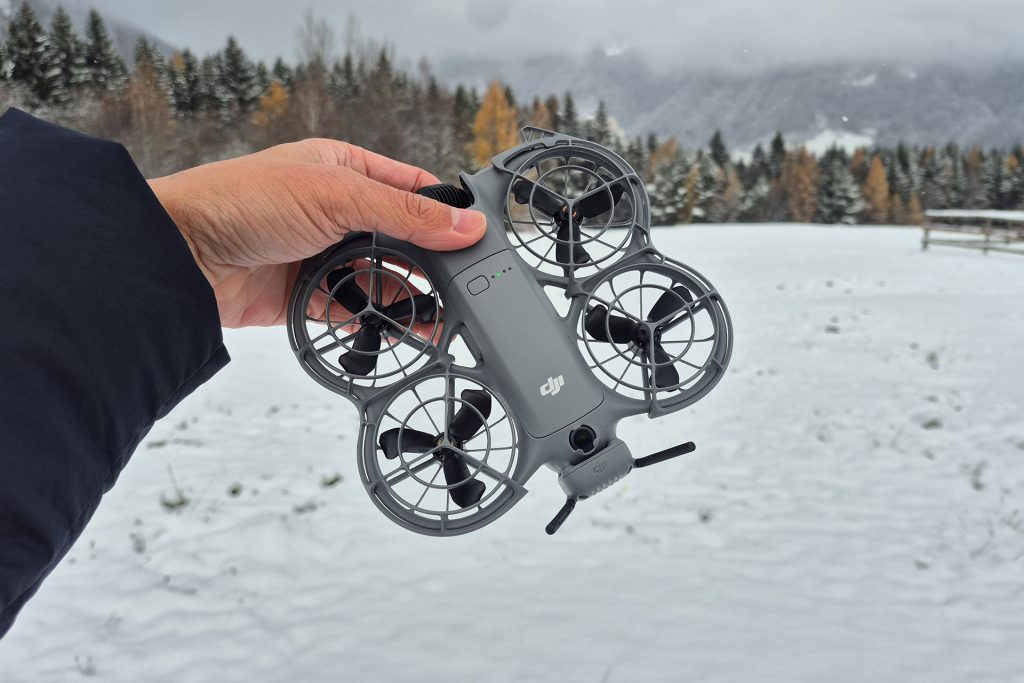
Rated up to 19 minutes in ideal conditions, real-world flights landed between 10 and 18 minutes depending on wind and how hard I leaned on tracking. That’s not all-afternoon endurance, but it’s enough for two or three concise sequences before swapping batteries.
Control options are flexible: phone-only, standard RC, or full FPV with Goggles if you pick a combo. Transmission reaches far further with a remote (quoted up to 10km) than with phone-only (≈500m).
Controls, modes & a neat quality-of-life touch
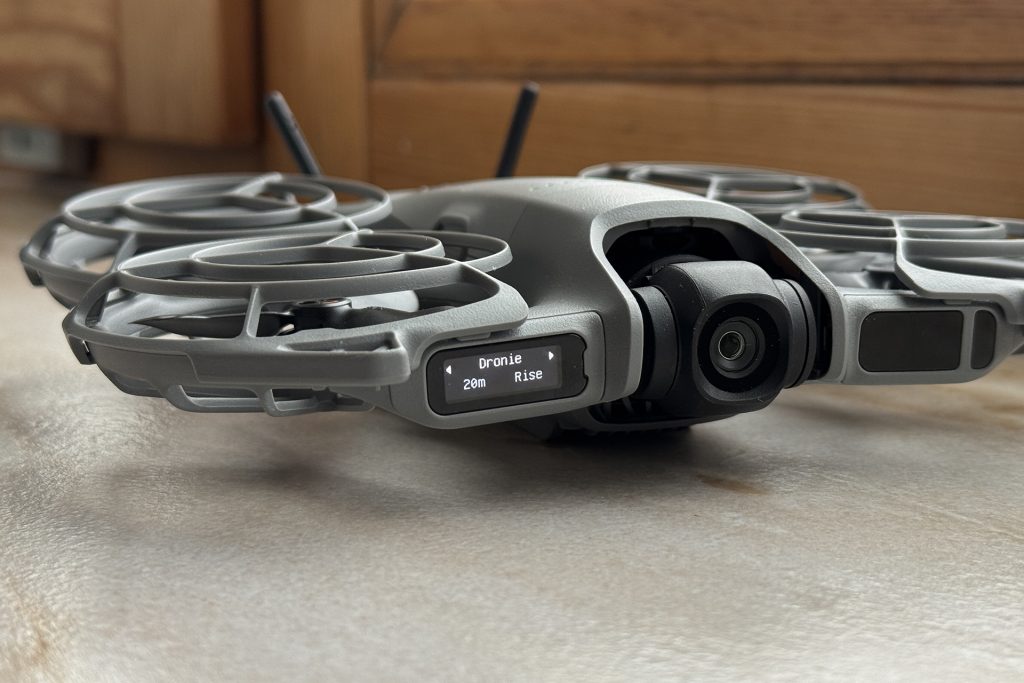
Two things make the Neo 2 friendlier than the original. First, that front status screen saves you from second-guessing. Second, the gesture vocabulary is more reliable: beckon to follow, hold a flat palm to bring it home, and yes, the crowd-pleasing SelfieShot for waist-up or full-body framing.
Image quality in context
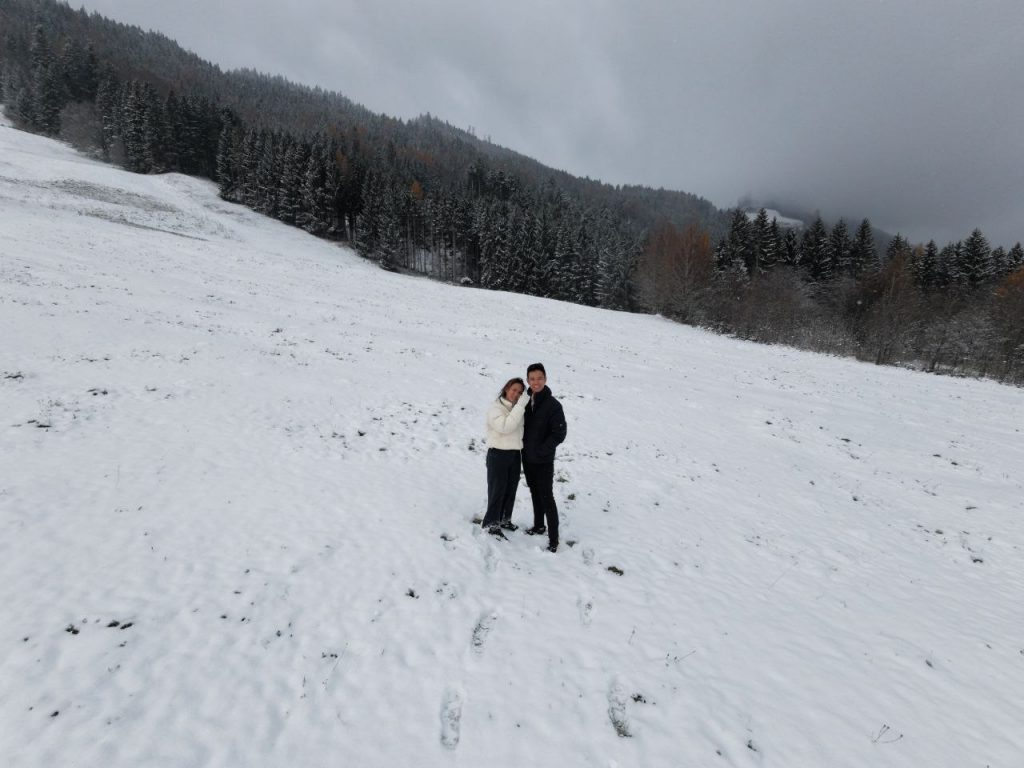
Within its class, the Neo 2’s footage is clean and stable. The 1/2-inch sensor won’t out-muscle a Mavic 3 in low light, but for daylight cityscapes and blue-hour strolls it’s perfectly serviceable.
If your output is Instagram, TikTok, or even a quick website hero clip, you’ll be pleased.
Availability, pricing & regional oddities
The Neo 2 launched on 13 November 2025 with broad global availability. In Singapore it’s widely sold, with entry kits starting from roughly S$269 and richer bundles adding remotes, batteries and FPV gear. As always, prices fluctuate with bundles and promos, but the value proposition “tiny body, big capability” holds.
Verdict: the right kind of clever
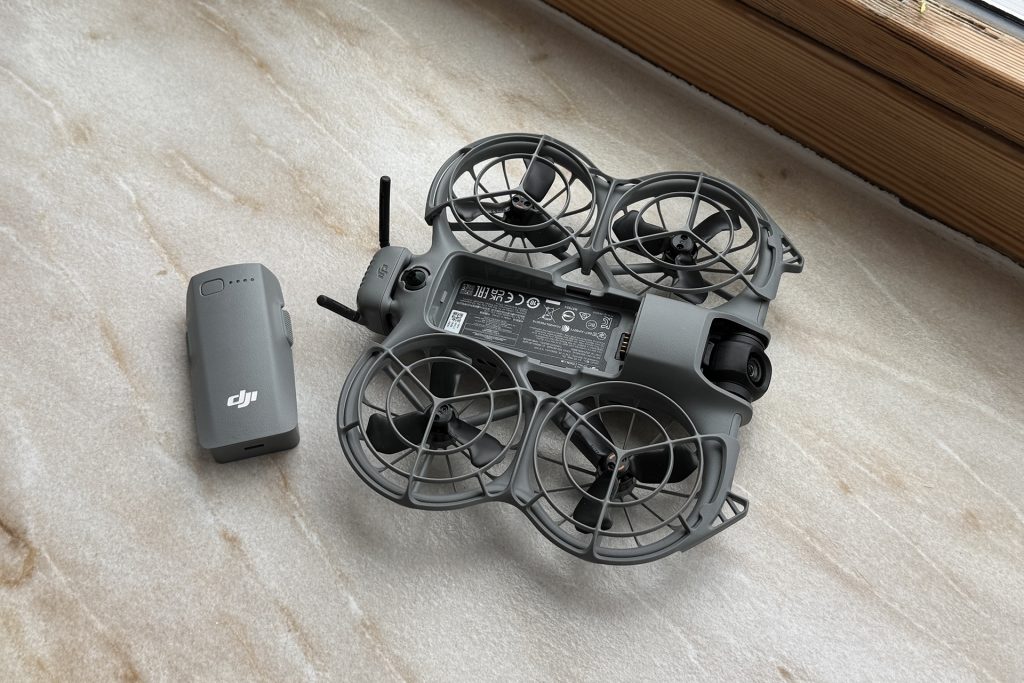
The DJI Neo 2 makes aerial footage approachable. Between the two-axis gimbal, 4K/60p, omnidirectional sensing, gesture control and that front status screen, it behaves less like a toy and more like a tool you’ll actually take along.
If your brief is to capture sharper, steadier clips of everyday life without learning the dark arts of manual flight, this is the easiest recommendation in DJI’s line-up right now.
Liked this? Check out more articles on Futr tech here.