
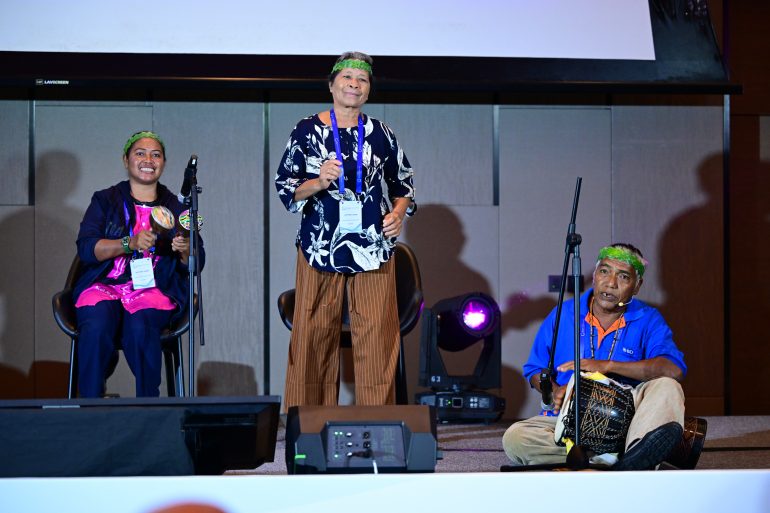
The ocean knows no borders. The same waters that once united communities now separate nations. At The Ocean Collective Summit (TOCS) 2025, this truth resurfaced through stories by the people of Kampung Sungai Temon, reminding us how our futures remain bound to the sea.
Last Friday, as I listened to the Orang Seletar from Sungai Temon share their stories at The Ocean Collective Summit (TOCS) 2025 in Singapore, I found myself transported to Johor’s coast. Their stories carried across the room, past a sea of the world’s most influential voices, reaching me way in the back. The Sungai Temon elder’s (affectionately known as Nenek) passionate speech about fighting for her homeland reminded me of the dissonance I felt growing up Malay in Singapore. The stories I studied often began with colonisation. But what about before?
For the Orang Seletar however, this information is not just a tale, but a current way of life. As one of the Nusantara’s indigenous sea people, they once roamed freely between Singapore and Johor, living by the rhythm of the tide. Fishing, catching crabs, and gathering food from the mangroves shaped and still shape their days. Over the years though, development has taken much of that away. Land reclamation and modern boundaries have reduced not just their space, but their freedom to live as they once did.
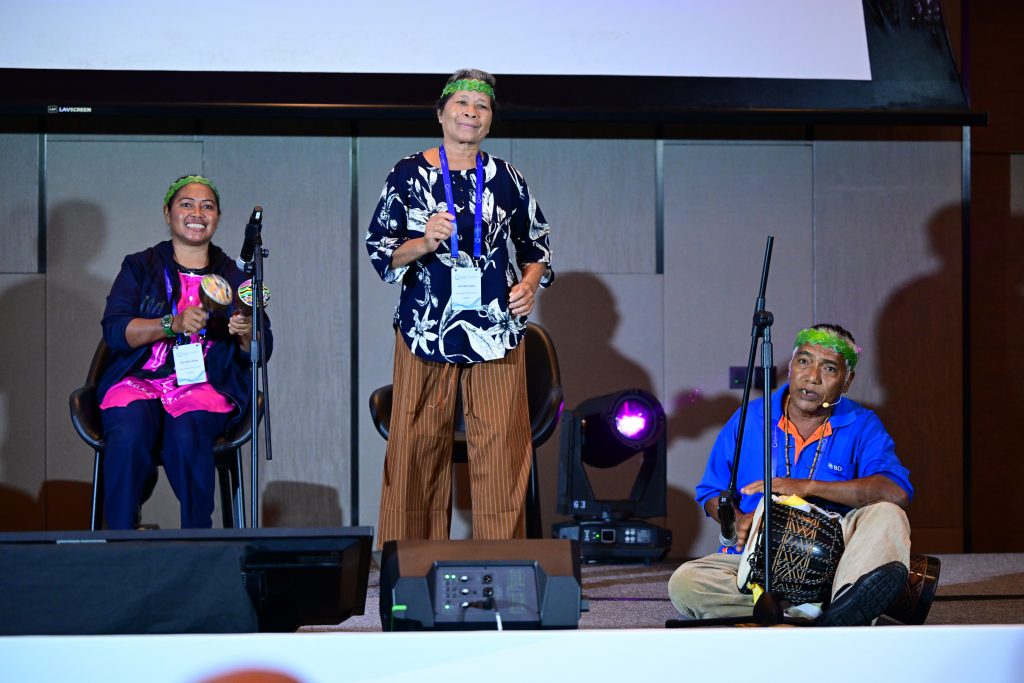
“Kita bukan orang pendatang,” said Nenek. “Orang laut, orang Seletar… Sebelum Singapura dengan Johor, kita satu.” (We are not outsiders. We are sea people, Orang Seletar…. Before Singapore and Johor were divided, we were one.)
Her words carried the weight of memory, of a time when the Straits were home, not a border. Their story opened a window into a shared past that my textbooks never revealed. It felt like a reminder that the history of locals in this region is not a straight line drawn by borders, but a web of people who knew the sea, who lived by it, and who continue to fight for their place within it.
Echoes Across the Water

At TOCS, Fabien Cousteau – Aquanaut, Oceanographic Explorer, and Founder of the Fabien Cousteau Ocean Learning Center and Proteus Ocean Group – spoke about the need to shift mindsets. “We can’t fix what we can’t measure or see,” he said, urging a combination of data-driven exploration paired with inclusive decision-making. The summit, organised by The International SeaKeepers Society Asia and the Fabien Cousteau Ocean Learning Center, brought together leaders and experts to explore pressing topics, from corporate accountability to AI-driven marine protection and circular economies.
However, amid the urgency and innovation of the two-day conference, it was the stories of the Orang Seletar that left a lasting impression on me. Their traditional knowledge has long guided sustainable ways of living with the sea, wisdom often absent from the textbooks and histories I grew up with. On the second day, during the session on Traditional Knowledge & Science Integration, I saw firsthand how the summit provided a platform for this wisdom to be recognised. The Orang Seletar’s knowledge is not just a relic of the past, but a potential roadmap for the future.
A Fight for Land, and for Dignity
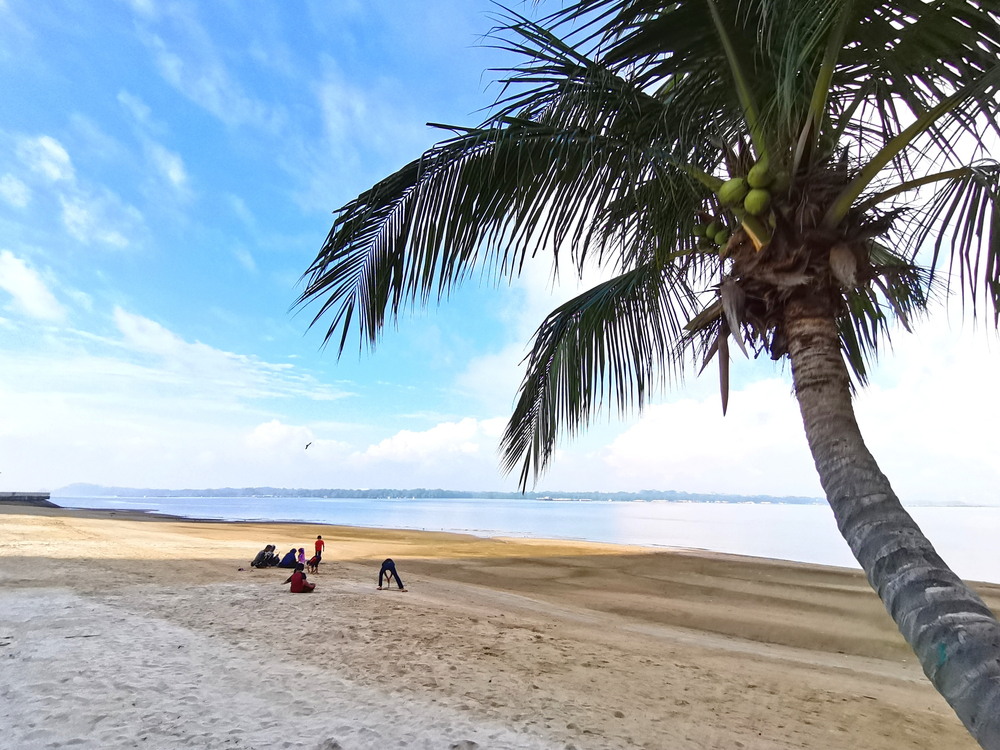
Recognition, however, does not always translate into rights.
“Tempat orang kami dirampas, dorang cakap kita pendatang,” said Nenek. (Our land was taken, and they said we were outsiders.)
The Orang Seletar of Sungai Temon have been fighting a long and costly legal battle for their land. An area that once filled with mangroves and fishing grounds is now being hemmed in by development, one of which includes the popular Danga Bay. Some burial sites have also been bought over and disturbed.
“Bila dah tanam situ, tak boleh pisah,” Nenek said quietly. “Kalau orang luar beli, dorang buang duit aja kat situ.” (Once a body is buried there, we cannot separate from it. When outsiders buy the land, they just throw money (without thought).)
They’ve since hired lawyers, sought help from activists, and leaned on allies who support them. “Bayar lawyer mahal,” Nenek added. “Tapi ada orang yang kenal tu, dorang sokong kami.” (Lawyers are really expensive, but there are people who know us – they support us.)
Remembering the Waters Between
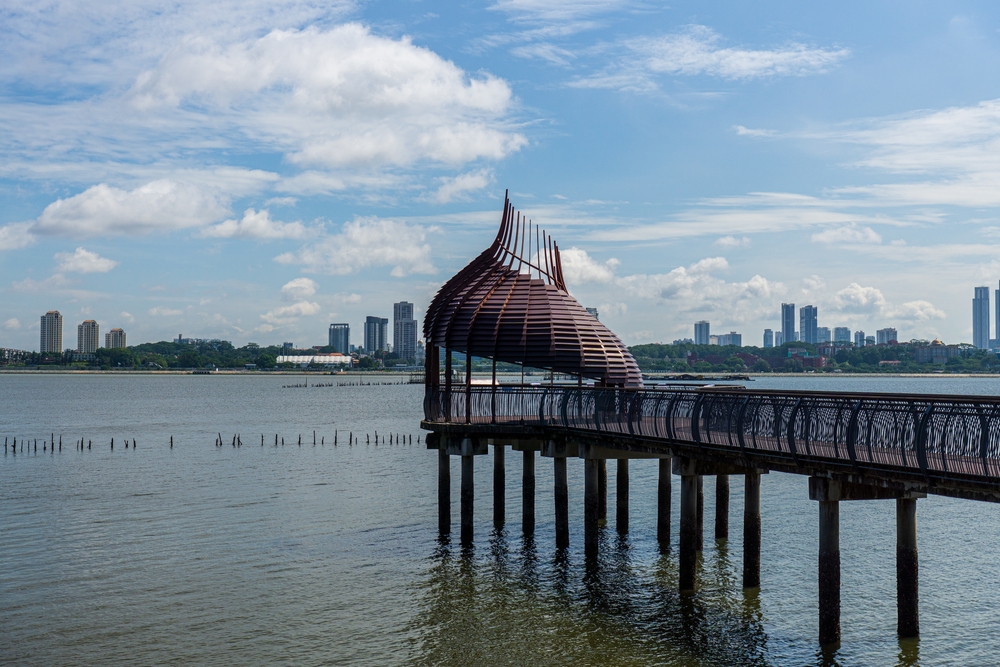
As Nenek spoke, she drifted into childhood memories. Her stories shimmered with salt, sunlight, and humorously, crabs.
“Nenek moyang semua makan ikan, makan ketam. Di Singapura di Malaysia, orang kami sudah buat sebelum jambatan,” she recalled. (Our ancestors all ate fish and crabs. This was in both Singapore and Malaysia. Our people did this long before there was a bridge.)
She remembers Kranji and Pulau Tekong, once abundant with the seafood she spoke fondly of. Moving at night, navigating islands by heart, living off leaves and coconuts. It truly all felt so far from the life I know. And yet, through her words, I could almost see it, almost feel it.
Now, she sighed, “Tempat cari makan sudah diambil semua. Sekarang benda sudah cetek — susah nak jadi.” (Our places to find food are all taken. Now the waters are too shallow — it’s hard to live.)
For the Orang Seletar, Singapore and Malaysia are not two nations but one home. Before borders, they moved easily between coasts. They fished in Kranji, rested at Tuas, and crossed every river easily.
“Seletar tu suku kami,” Nenek insisted. “Kami orang asli. Orang Melayu yang gelarkan orang Seletar. Di Singapura dengan Malaysia satu, sebelum dipisahkan.” (Seletar is our tribe. We are the original people of the land. It was the Malays who named us the Seletar. Singapore and Malaysia were one, before they were divided.)
Listening, Before It’s Too Late
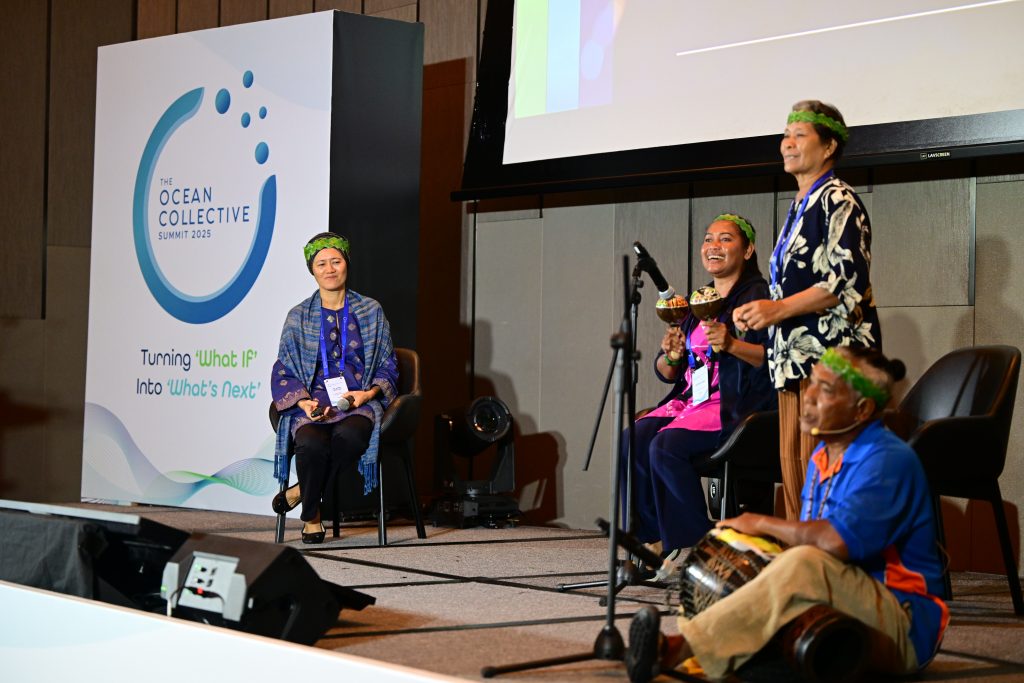
As some of the world’s influential voices at TOCs discussed the future of the seas, the people of Sungai Temon reminded the room of something simple. Conservation begins with listening. Not just in policy terms, but in human terms.
Sitting there under the fluorescent blue lights, I realised that the stories I once thought were missing had always been here, just unheard. The Orang Seletar’s voices filled some of the spaces left by the versions of history I knew, offering a view of the region not as divided lands, but as one continuous shore. Between Singapore, Johor, and the rest of the Malay region lies a shared story still unfolding with the sea, and with our attempts to protect it and the people who live by it.
Learn more about the people of Sungai Temon, and their fight for their land here.
Enjoyed reading this article? Find out where you can get lab-grown diamonds, or head to these 10 spots to stargaze in Singapore!