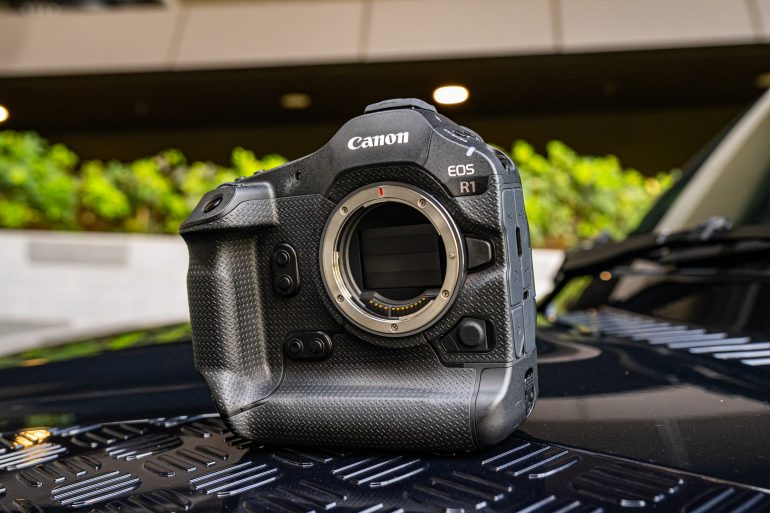
Canon’s flagship mirrorless camera brings power, precision, and poise to the professional battlefield.
I remember the heft of the EOS-1D like it was yesterday, its rugged frame an extension of me, and for many photojournalists of that era, the EOS 1 series was a trusted partner.
So when Canon finally unveiled the EOS R1, the spiritual successor to the 1D lineage, but reborn for the mirrorless age, it stirred something deep. A ripple of nostalgia, yes, but also anticipation.
This is Canon’s new flagship, built not for the casual Sunday street shooter, but for those who earn their keep at the edge of the action.
A curious choice of sensor
Now, when you first glance at the spec sheet, you might say, “A 24.2-megapixel sensor? For a flagship?” In an era where numbers are everything and 45MP is fast becoming the norm, Canon’s decision feels counterintuitive.
But spend a few hours with the R1, and it all clicks into place. This is a camera chasing speed. That lower-resolution, backside-illuminated, stacked CMOS sensor is designed for speed, not pixel peeping. And paired with Canon’s new DIGIC Accelerator co-processor and the seasoned DIGIC X image engine, the R1 becomes a sheer performance monster.
It fires off stills at up to 40fps. That’s faster than most people blink, and far beyond what most of us will ever need. For sports photographers or wildlife chasers, that split second could mean the difference between a keeper and a missed moment.
Autofocus that reads your mind (almost)

Canon’s Dual Pixel Intelligent Autofocus system is nothing short of sorcery. It’s really fast. Whether you’re shooting in bright sunlight or under moody tungsten hues, the R1 locks on with near-clairvoyant confidence.
Where the R1 really shines is in subject tracking. Whether it’s a car zooming past or a butterfly pirouetting through flowerbeds, the R1 keeps pace. I was at a track event in Malaysia, and the camera delivered on all fronts.
Real-world image quality
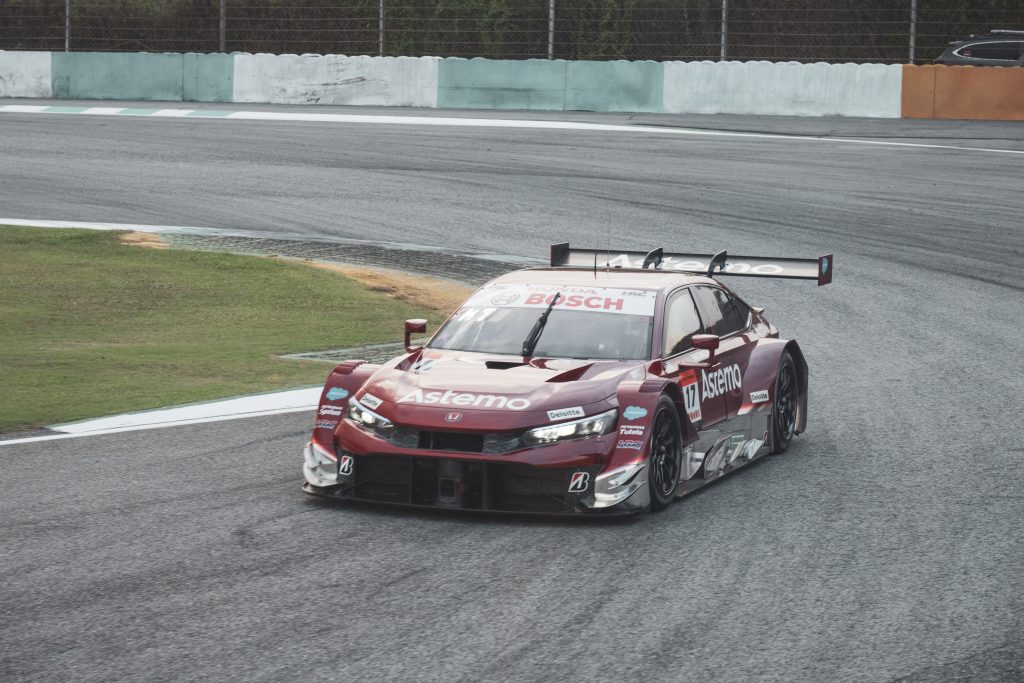
Image quality is naturally superb. Sharpness is consistent from edge to edge, even at wide apertures. Colours are punchy yet natural. The white balance rarely needs adjusting.
Noise control is equally commendable. ISO 6400 is squeaky clean. ISO 12800 introduces minor artefacts. It’s only past ISO 25600 where things start to unravel, though you still retain usable detail for emergency editorial work.
There’s also Neural Network Noise Reduction (NNNR) and in-camera Upscaling to 96MP JPEGs, both powered by deep learning. The former reduces grain at the expense of sharpness. The latter genuinely works.
Video chops, with a catch
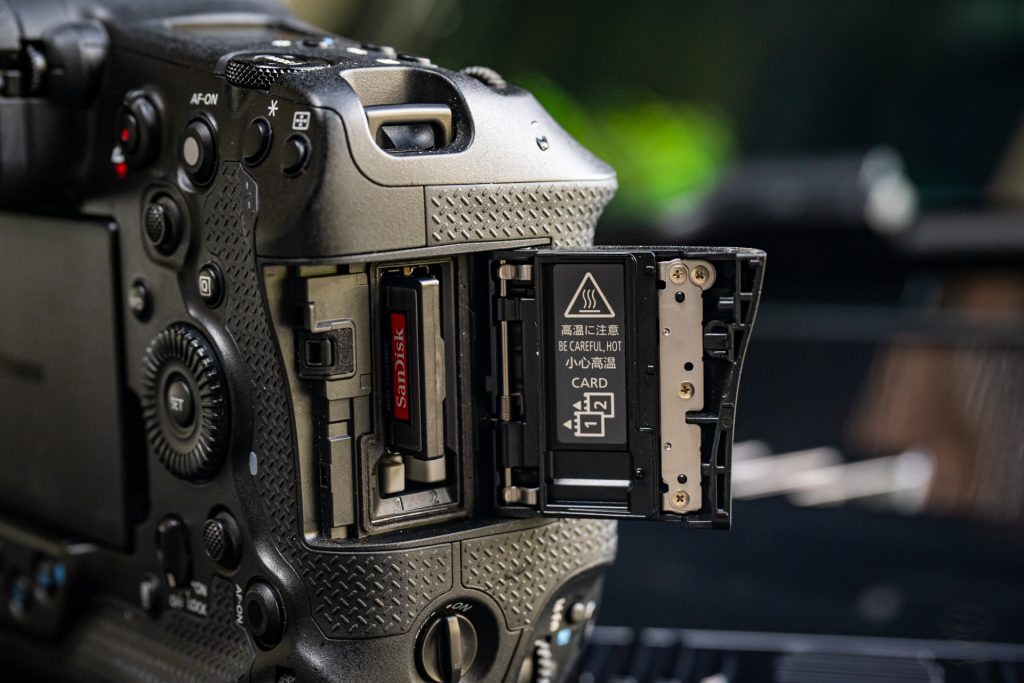
Canon’s decision to cap video resolution at 6K might raise eyebrows, especially when the R5 Mark II offers 8K. But let’s not forget: most pros shooting high-end video are downsampling anyway. What matters more is the quality of the footage, and the R1’s video output is stunning.
Colours are rich, subject tracking remains sticky, and the footage has that signature Canon look. There’s 10-bit C-Log 2 and 3, 4K DCI, and even video pre-recording (up to 5 seconds). Dual Shooting mode is another gem, simultaneously capturing video and stills to separate memory cards. Handy for news shooters who need both formats.
Built like a tank, handles like a glove
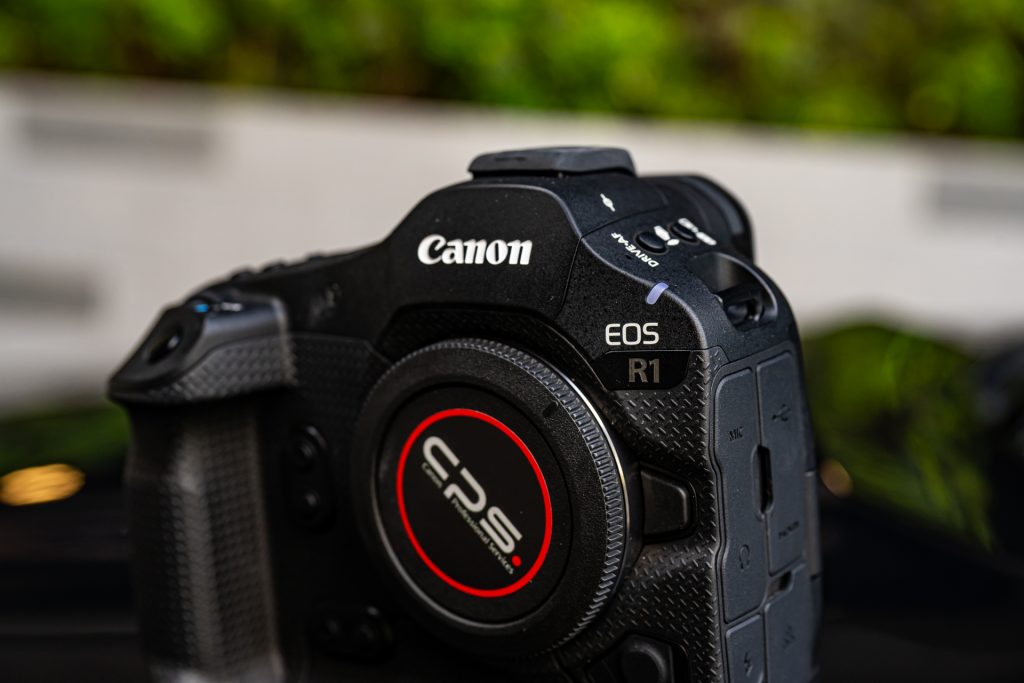
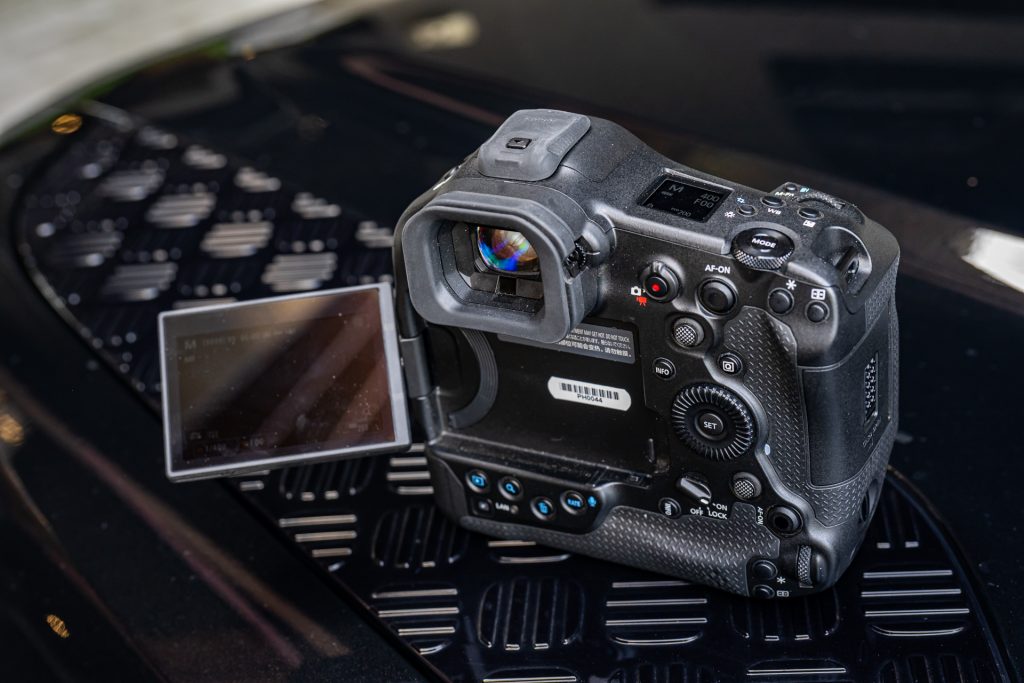
Pick it up, and you’ll know. The R1 is serious business. Magnesium alloy body. Weather sealing tight enough for sandstorms or sudden downpours. Canon even 3D-scanned its button seals and X-rayed its ports to ensure protection.
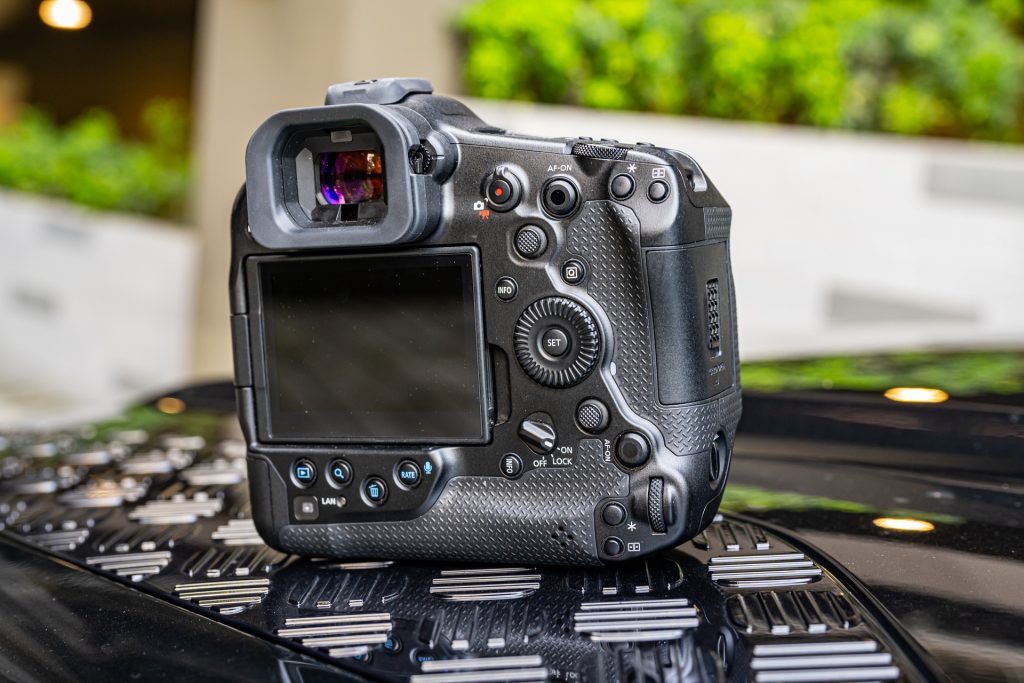
At 1,115g with battery and memory card, it’s balanced. The dual grips are sculpted for comfort, fitting naturally into your hand whether you’re crouched in a ditch or hanging off a fence.
Controls are intuitive, abundant, and customisable. Three command dials. A dedicated video switch. Illuminated buttons. And that glorious 9.44M-dot 0.64-inch OLED EVF is bright, crisp, and massive.
Even the power switch is perfectly placed, just under the rear command dial. It’s little things like these that show Canon knows its audience.
Battery for days
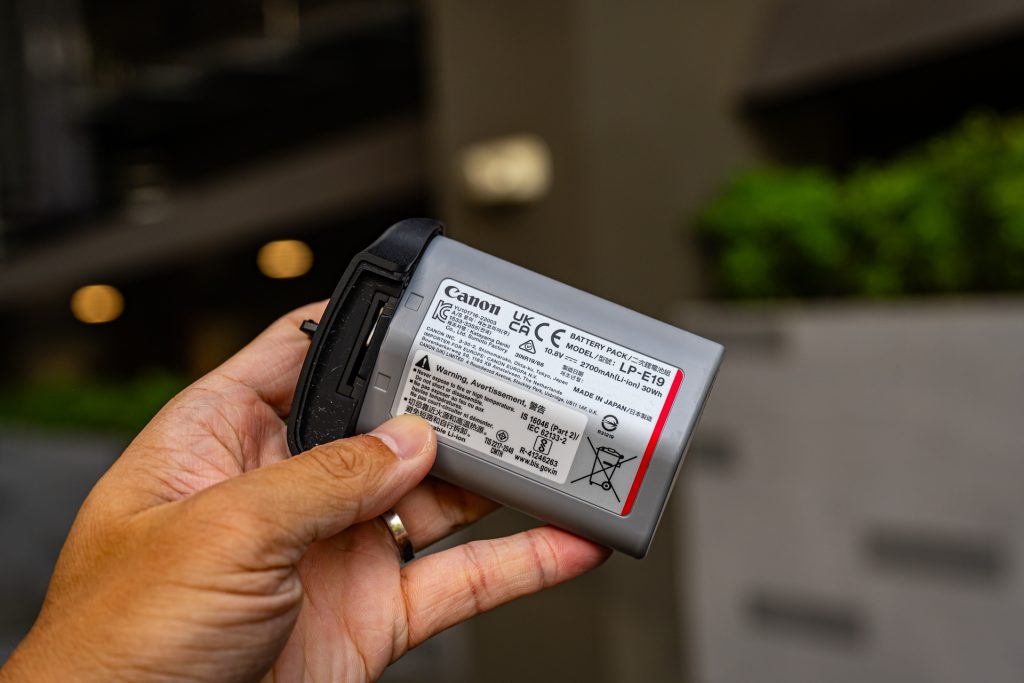
Canon claims 700 shots per charge. In testing, I got over 2,000 stills and a few short videos before I hit 50%. That’s marathon territory.
For photojournalists or wildlife photographers without charging ports in the jungle, this is the kind of reliability you need. And if you do run low, the USB-C port lets you d-tap top up with a power bank.
You get what you pay for
The EOS R1 is not for everyone. Its 24.2MP sensor might be seen as a limitation in an age where resolution sells. And with a body-only price of S$9,599, it’s not what you’d call accessible.
But this isn’t a camera built to chase specs. It’s built for professionals who shoot in chaos, who need speed, precision, and durability.
If you’re the kind of shooter who stakes their career on not missing a moment, then the EOS R1 is your edge. And, you likely don’t need me to convince you to get one.
Liked this? Check out more articles on Futr tech here.